Published on October 28 , 2025
Contents
Rajasthan’s Bold Education Reforms: Minister Madan Dilawar’s Vision UnveiledThe New Uniform Rule: No Ties, All Equality – Details and RationaleBenefits of Standardized School Uniforms: Discipline, Focus, and BeyondAttendance Revolution: SMS Alerts and Real-Time MonitoringImplementation Roadmap: Timeline, Challenges, and Support MeasuresBroader Impacts: Aligning with National Education Goals
Delhi, India
Rajasthan’s Bold Education Reforms: Minister Madan Dilawar’s Vision Unveiled
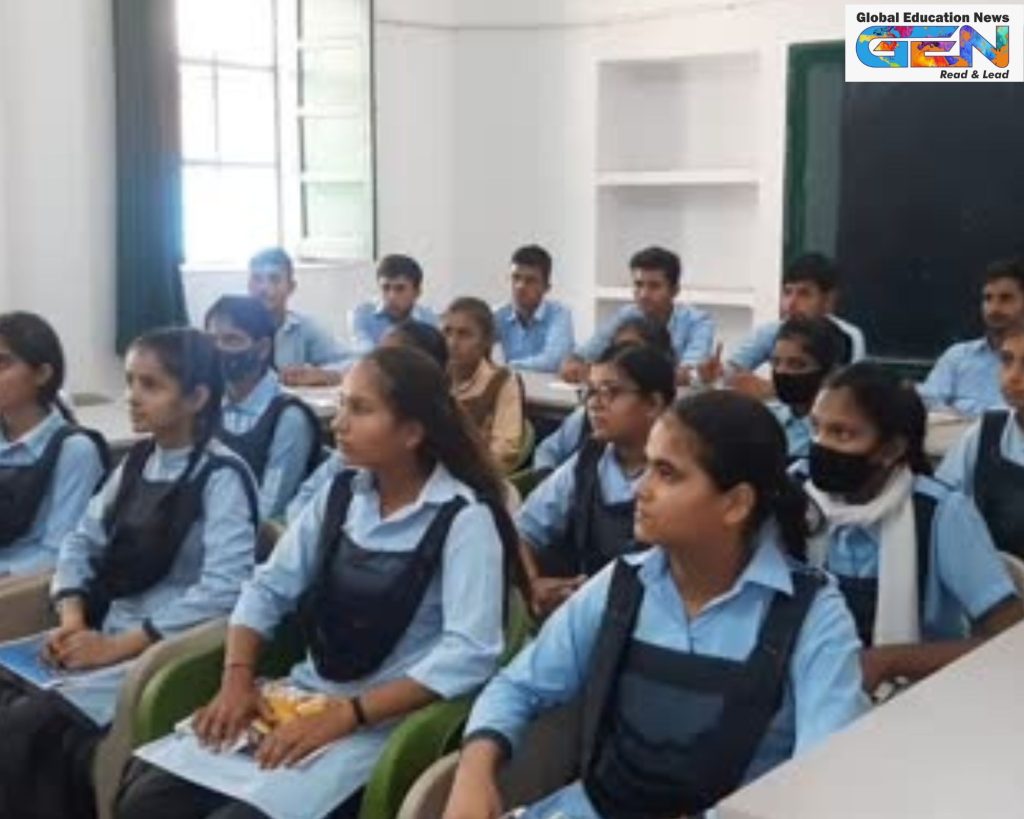
- Uniform Policy Launch: Starting the 2026 academic session, all government and private schools in Rajasthan will enforce a single uniform dress code, excluding ties to enhance comfort and practicality; boys may opt for shirts with trousers or half-pants, while girls could wear skirts or salwar kameez, pending final committee decisions.
- Teacher and Student ID Mandates: Teachers will soon receive a fixed dress code and compulsory ID cards, with students required to wear identity cards at all times to promote accountability and security.
- Academic Calendar Overhaul: School sessions will commence on April 1 instead of July 1, adding crucial teaching days, ensuring timely textbook distribution, and allowing extended summer study periods to combat learning gaps.
- National Anthem Integration: Offices of Panchayati Raj, Education, and Sanskrit departments will open with the national anthem and close with the national song; employee attendance, including salaries, will be linked to participation, extending to schools for instilling patriotism and discipline.
The New Uniform Rule: No Ties, All Equality – Details and Rationale
- Core Changes: The policy standardizes attire across 1.5 lakh schools serving over 1.2 crore students, eliminating ties to reduce discomfort in Rajasthan’s harsh climate and symbolic barriers; a committee will finalize designs, focusing on breathable fabrics and gender-neutral options.
- Promoting Socio-Economic Equality: By removing visible markers of wealth like branded accessories, uniforms bridge class divides, reducing bullying and peer pressure – studies show such policies cut socio-economic discrimination by up to 40% in Indian schools.
- Comfort and Practicality Focus: Ditching ties addresses common complaints of restriction during play or heat, aligning with global trends where relaxed uniforms improve attendance by 15-20% in similar climates.
- Minister’s Emphasis: “This will ensure a level playing field, making education about learning, not appearances,” Dilawar stated, highlighting consultations with private school associations for smooth adoption.
Benefits of Standardized School Uniforms: Discipline, Focus, and Beyond
- Enhanced Discipline and Focus: Uniforms instill a sense of routine and professionalism, boosting student concentration on studies by minimizing fashion distractions – research indicates a 25% rise in classroom engagement in uniform-mandated Indian schools.
- Reducing Bullying and Crime: Equal attire deters peer rivalry over clothes, lowering bullying incidents by 30% and enhancing school safety, as uniform-wearers are less identifiable as targets outside premises.
- Economic and Time Savings: Families save on diverse wardrobes (up to ₹5,000 annually per child), freeing mornings for breakfast or prep; this efficiency supports NEP 2020’s equity goals.
- Long-Term Preparation: Prepares students for workplace dress codes, fostering unity and a professional mindset from early grades.
Attendance Revolution: SMS Alerts and Real-Time Monitoring
- Parent Notification System: Integrated with Shala Darpan portal, parents receive instant SMS alerts for absences, using registered mobile numbers to curb truancy – expected to launch soon, targeting a 10-15% attendance hike.
- 75% Mandate Reinforcement: Builds on recent High Court directives requiring minimum 75% attendance for board exams, with surprise inspections to prevent coaching class skips; violations could lead to exam ineligibility.
- Patriotic Tie-In: School attendance tracking links to daily national anthem sessions, ensuring holistic participation and cultural grounding.
Implementation Roadmap: Timeline, Challenges, and Support Measures
- Rollout Phases: Uniform policy effective April 1, 2026; attendance system by early 2026; teacher dress codes to follow after committee review in November 2025.
- Stakeholder Engagement: Education Department to consult school managements statewide, incorporating feedback for inclusive designs; aligns with “Prakhar Rajasthan” reading campaign and Saturday “No Bag Days” for activity-focused learning.
- Potential Hurdles: Initial resistance from private schools or rural logistics, but government subsidies for uniforms (₹500-800 per set) and digital training aim to ease transitions.
- Monitoring Success: Annual audits via digital dashboards to track attendance (target: 90%+), learning outcomes, and equity metrics.
Broader Impacts: Aligning with National Education Goals
- NEP 2020 Synergy: These reforms echo policy pillars on equity, technology integration (e.g., Shala Darpan), and reduced academic pressure through extended holidays; Rajasthan’s model could inspire states like Uttar Pradesh facing similar uniform disparities.
- Projected Outcomes: Enhanced learning (up to 20% better retention via discipline), lower dropout rates (currently 5% in secondary schools), and stronger community ties through parental involvement.
- Expert Endorsement: Educators praise the tie ban as “progressive,” noting it could reduce gender biases in attire while boosting girls’ participation by 10%.