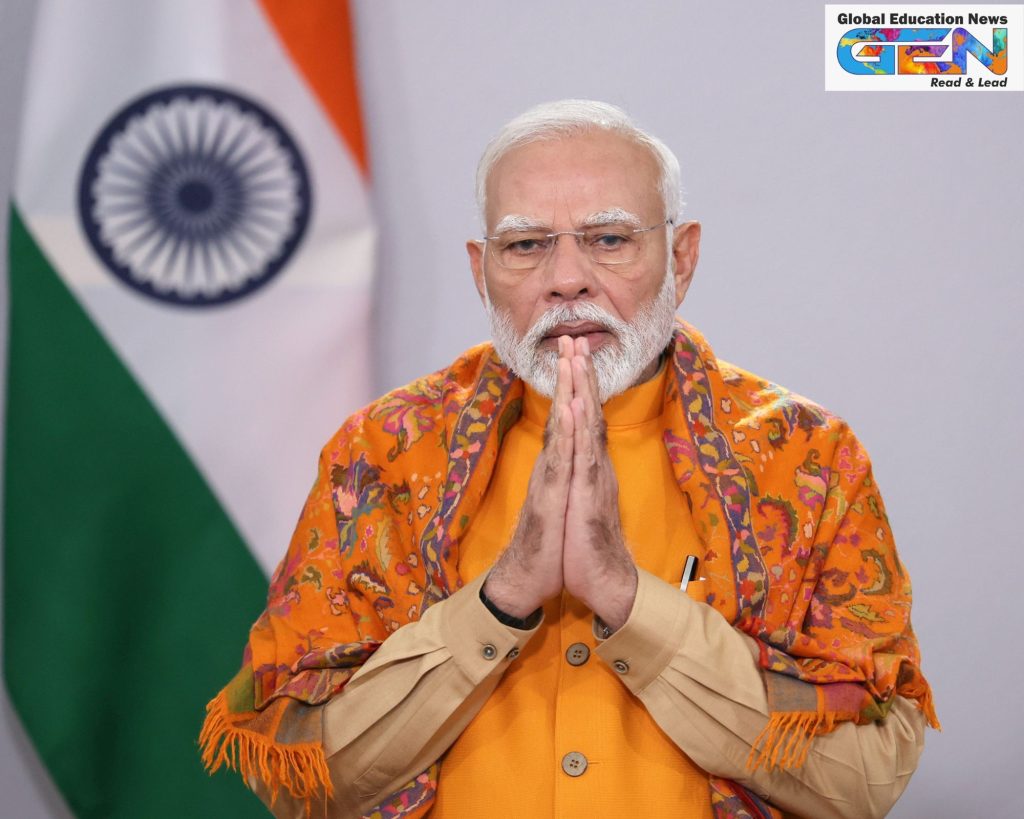
On July 25, 2025, Prime Minister Narendra Modi etched his name in history, surpassing Indira Gandhi’s record to become India’s second longest-serving Prime Minister in a single uninterrupted term. With 4,078 days in office since May 26, 2014, Modi’s marathon tenure reflects his enduring popularity and the BJP’s political dominance. From his roots as Gujarat’s Chief Minister to leading the nation, Modi’s journey is a testament to his resilience and vision, making him a towering figure in Indian politics.
- 4,078 days in office as of July 25, 2025, surpassing Indira Gandhi’s 4,077 days.
- First non-Congress PM to serve two full terms with a Lok Sabha majority.
- Modi’s leadership spans 24 years, including his time as Gujarat CM (2001–2014).
A Trailblazer in Indian Politics
Key Points:
- First post-independence born PM and from a non-Hindi-speaking state (Gujarat).
- Led BJP to three consecutive Lok Sabha victories (2014, 2019, 2024).
- Matches Jawaharlal Nehru’s record for three general election wins.
Modi’s rise is nothing short of historic. As the first non-Congress PM to secure two full terms with a clear majority, he has redefined Indian politics. His three consecutive election victories—a feat only matched by Jawaharlal Nehru—highlight his unmatched electoral prowess. Born in 1950, Modi is also the first post-independence PM, bringing a modern, relatable perspective to governance. Hailing from Gujarat, he’s the longest-serving PM from a non-Hindi-speaking state, broadening the BJP’s appeal across India’s diverse regions.
Shaping India’s Global and Domestic Narrative
Key Points:
- Centralized power, strengthening the executive’s role in governance.
- Elevated India’s global image through dynamic foreign policy.
- Championed nationalist discourse and electoral reforms.
Modi’s leadership has transformed India’s political landscape. His centralized governance model has streamlined decision-making, from economic reforms to infrastructure growth. On the global stage, Modi has positioned India as a powerhouse, forging stronger ties with nations like the US, UK, and Japan, as seen in the $34 billion India-UK FTA signed in July 2025. His focus on nationalist rhetoric has reshaped political discourse, while electoral reforms like voter ID improvements have boosted democratic participation. Modi’s vision for a Viksit Bharat by 2047 continues to drive policy continuity.
Key Policies Driving Change
Key Points:
- Flagship initiatives include Make in India, Digital India, and Swachh Bharat.
- Economic reforms like GST and demonetization reshaped India’s economy.
- NEP 2020 and infrastructure projects fuel long-term growth.
Modi’s tenure is marked by bold policies that have left a lasting impact. Make in India and Digital India have spurred industrial and tech growth, while Swachh Bharat revolutionized sanitation. The Goods and Services Tax (GST) unified India’s tax system, and demonetization, though controversial, aimed to curb black money. The National Education Policy (NEP) 2020 has opened doors for global universities, with five UK universities like Southampton launching campuses in India in 2025. Massive infrastructure projects, from highways to bullet trains, reflect Modi’s focus on development.
Public Sentiment and Challenges
Key Points:
- X posts celebrate Modi’s electoral success but raise concerns over centralized power.
- Critics highlight economic disparities and unemployment as ongoing challenges.
- Supporters praise Modi’s global diplomacy and cultural nationalism.
The X platform buzzes with reactions to Modi’s milestone. Supporters hail his unwavering leadership and ability to secure three Lok Sabha wins, crediting his global diplomacy and initiatives like Ayushman Bharat. Critics, however, point to centralized governance raising concerns about federalism, alongside persistent issues like unemployment (6.1% in 2024) and inflation. Some X users debate the socio-economic impact of policies like demonetization, while others laud Modi’s push for cultural nationalism, such as promoting Yoga Day globally. The discourse reflects a polarized yet engaged public.
A Legacy in the Making
Key Points:
- Modi trails only Jawaharlal Nehru (5,831 days) as India’s longest-serving PM.
- Likely to surpass Nehru’s record by 2030 if he completes his third term.
- Positions BJP as a dominant force in Indian politics for decades.
At 4,078 days, Modi stands just behind Jawaharlal Nehru’s 5,831 days as India’s longest-serving PM. If he completes his third term by 2029, Modi could claim the top spot, cementing his legacy as a transformative leader. His 24 years in public office, including his Gujarat tenure, showcase a rare blend of resilience and strategy. The BJP’s sustained dominance under Modi signals a new era in Indian politics, with his policies shaping India’s trajectory toward becoming a global superpower.
What’s Next for Modi’s India?
Key Points:
- Focus on Viksit Bharat 2047 for economic and social progress.
- Strengthening global partnerships, like India-UK education and trade ties.
- Addressing challenges like unemployment and rural development.
Modi’s record-breaking tenure is just the beginning. His vision for Viksit Bharat 2047 aims to make India a developed nation, with initiatives like NEP 2020 and infrastructure investments leading the charge. Global partnerships, such as the India-UK FTA and UK university campuses in Gurugram and Bengaluru, position India as an education and economic hub. Yet, challenges like youth unemployment and rural infrastructure demand urgent attention. As Modi steers India forward, his leadership will shape the nation’s destiny for decades to come.