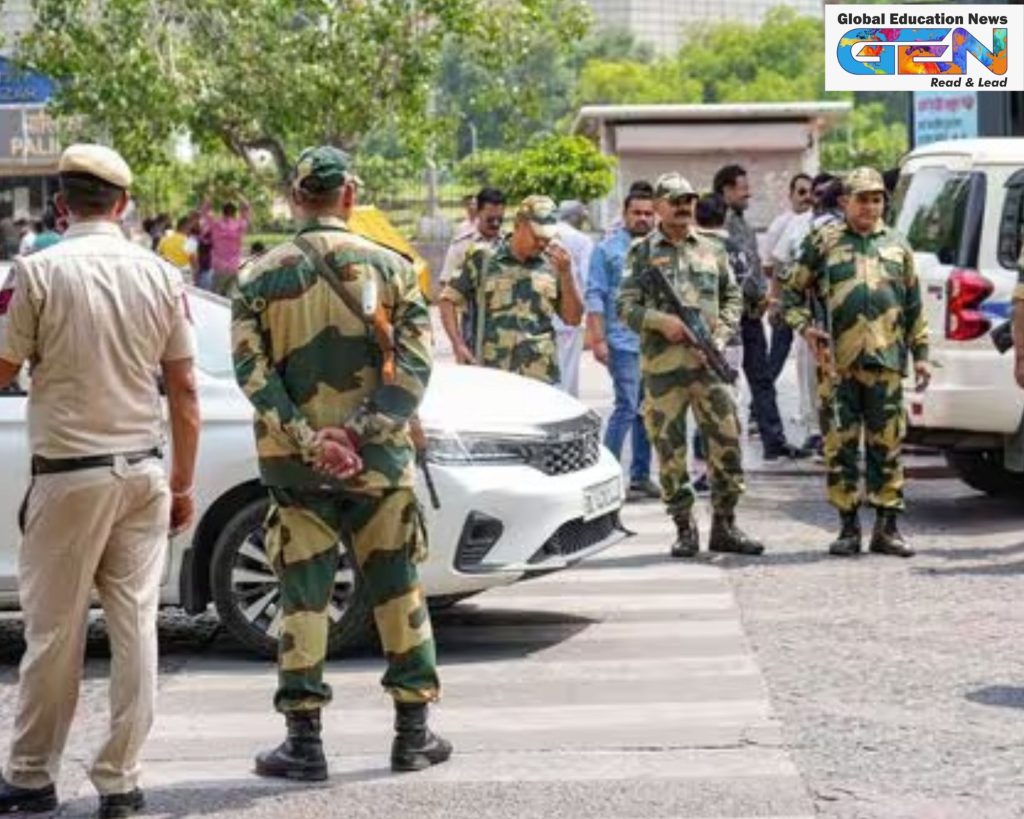
Following the tragic Pahalgam terror attack on April 22, 2025, which claimed 26 lives, India is ramping up its civil defence measures. The Ministry of Home Affairs (MHA) has scheduled the second phase of Operation Shield, a nationwide civil defence mock drill, for May 31, 2025, to bolster preparedness against hostile attacks. Triggered by gaps exposed during the May 7 drill and heightened India-Pakistan tensions post-Operation Sindoor, this exercise targets vulnerabilities along the western border. Here’s why it’s critical:
- Escalating Tensions: Pakistan’s retaliatory shelling and drone attacks after Operation Sindoor (May 7–10, 2025) highlight border risks.
- Strategic Focus: Targets Jammu & Kashmir, Punjab, Rajasthan, Gujarat, Haryana, and Chandigarh due to their proximity to Pakistan.
- Lessons Learned: The May 7 drill revealed deficiencies in coordination and response, prompting urgent upgrades.
- Public Safety: Aims to prepare civilians and authorities for air raids, drone strikes, and missile attacks.
Operation Shield is India’s proactive step to ensure readiness in a volatile region.
Objectives: Building a Resilient Defence Framework
Operation Shield is designed to strengthen India’s civil defence against emerging threats, particularly after the Pahalgam attack and subsequent cross-border skirmishes. The drill, overseen by the Directorate General of Fire Services and Home Guards, focuses on real-world readiness. Key objectives include:
- Identify Gaps: Address weaknesses in coordination and response exposed during the May 7 drill.
- Enhance Protocols: Test and refine emergency response mechanisms for air raids, drone strikes, and missile attacks.
- Train Personnel: Ensure civil defence volunteers and agencies are well-equipped for crisis scenarios.
- Boost Public Awareness: Educate civilians on safety measures like blackouts and evacuations.
By simulating high-stakes scenarios, Operation Shield aims to create a robust, coordinated defence system.
Scope: Targeting Vulnerable Border Regions
The drill focuses on six high-risk areas along India’s western border, selected for their strategic significance and vulnerability to cross-border threats. Covering all districts in Jammu & Kashmir, Punjab, Rajasthan, Gujarat, Haryana, and Chandigarh, Operation Shield ensures comprehensive preparedness. Key details:
- Geographic Focus: Border states and Union Territories facing Pakistan, where tensions spiked post-Pahalgam.
- Postponed Plans: Originally set for May 29, the drill was delayed in most regions due to administrative issues, with Punjab rescheduling for June 3, 2025.
- Localized Execution: Each region tailors scenarios to local risks, like drone incursions in Jammu or missile threats in Gujarat.
- Community Involvement: Engages local youth groups like NCC, NSS, and Bharat Scouts & Guides for grassroots support.
This targeted approach ensures readiness in India’s most sensitive zones.
Key Activities: Simulating Real-World Crises
Operation Shield will simulate wartime scenarios to test India’s civil defence capabilities. Starting at 5:00 PM on May 31, 2025, the drill includes a range of critical activities:
- Air Raid Sirens: Centrally controlled sirens will alert residents, testing warning systems.
- Blackout Protocols: A 10-15 minute blackout from 8:00 PM to 8:15 PM in areas like Chandigarh’s Kishangarh, Jaipur, and Jammu to simulate attack conditions.
- Mock Evacuations: Practice evacuating 20 civilians from a military station under a simulated drone swarm attack.
- Emergency Response: Deploy medical teams and transport 30 blood units to address mass casualties.
- Communication Drills: Test hotlines between the Indian Air Force and civil authorities for rapid coordination.
These activities, conducted in places like Srinagar, Akhnoor, and Doda, aim to mimic real threats while minimizing public panic.
Emergency Response: Preparing for the Worst
A core focus of Operation Shield is ensuring rapid, effective emergency response. The drill simulates mass casualty scenarios to test medical and logistical preparedness:
- Medical Teams: Mobile hospitals and medical units will be deployed to treat simulated injuries.
- Blood Unit Transport: 30 blood units will be mobilized to meet emergency needs, ensuring supply chains are robust.
- Mass Evacuation: Practice moving civilians from high-risk zones, like military stations, to safe areas.
- Coordination: Involves state disaster response teams, police, fire services, and Border Wing Home Guards alongside the Indian Army.
These measures aim to build a seamless response system for real crises, drawing lessons from the Pahalgam attack.
Coordination and Oversight: A Unified Approach
The success of Operation Shield hinges on meticulous coordination across agencies, led by the Additional Director General of Civil Defence and the Directorate General of Fire Services and Home Guards. Key aspects include:
- Central Oversight: The MHA ensures standardized protocols across all regions.
- Local Execution: District administrations, led by Deputy Commissioners, tailor drills to local needs, as seen in Jammu’s Sachin Kumar Vaishya urging public cooperation.
- Volunteer Engagement: Involves NCC, NSS, NYKS, and Bharat Scouts & Guides for community-level support.
- Action Reports: Detailed Action Taken Reports will be submitted to the MHA for review and future improvements.
This structured approach ensures a cohesive, effective drill.
Funding and Support: Powering Preparedness
To address gaps identified in the May 7 drill, the MHA has taken decisive steps:
- Emergency Powers: Invoked on May 9, 2025, to fast-track improvements in civil defence infrastructure.
- State Disaster Response Fund (SDRF): Provides funding to enhance training, equipment, and coordination.
- Private Sector Involvement: Plans to train 1 crore private security personnel for civil defence roles.
- Youth Mobilization: Over 1.5 crore youth registered on the MYBharat portal for civil defence training.
These resources ensure Operation Shield addresses past shortcomings and builds long-term resilience.
Why It Matters: Securing India’s Future
Operation Shield is more than a drill—it’s a strategic response to heightened security threats along India’s western border. Following the Pahalgam attack and Operation Sindoor, which targeted terror camps in Pakistan and PoK, the drill addresses real risks like drone strikes and missile attacks. By simulating air raids, blackouts, and evacuations, it prepares both civilians and authorities for worst-case scenarios. Key impacts include:
- Strengthened Coordination: Enhances synergy between civilian, military, and emergency services.
- Public Readiness: Educates residents on safety protocols, reducing panic in real crises.
- Regional Security: Bolsters defences in vulnerable border states amid India-Pakistan tensions.
- Global Relevance: Aligns with global trends in civil defence against modern threats like drones.
Posts on X highlight public support, with users noting the drill’s role in “strengthening minds” and preparing for emergencies.
How to Participate: Your Role in Operation Shield
Residents in Jammu & Kashmir, Punjab, Rajasthan, Gujarat, Haryana, and Chandigarh are urged to cooperate during the May 31 drill. Here’s how you can help:
- Stay Calm: Treat sirens and blackouts as part of the exercise, not an emergency.
- Follow Instructions: Switch off lights and cover windows during the 8:00 PM–8:15 PM blackout.
- Engage Locally: Join youth groups like NCC or NSS to support civil defence efforts.
- Stay Informed: Follow updates from local authorities or platforms like PIB India for guidance.
By participating, you contribute to a safer, more resilient India.
A Stronger, Safer India Awaits!
Operation Shield, set for May 31, 2025, is a critical step in fortifying India’s civil defence against modern threats. By addressing gaps exposed in the May 7 drill, leveraging SDRF funding, and engaging communities, this exercise ensures readiness for drone strikes, air raids, and mass casualties. With coordinated efforts across Jammu & Kashmir, Punjab, Rajasthan, Gujarat, Haryana, and Chandigarh, India is building a robust defence framework. As tensions with Pakistan persist, Operation Shield sends a clear message: India is prepared, united, and resilient.