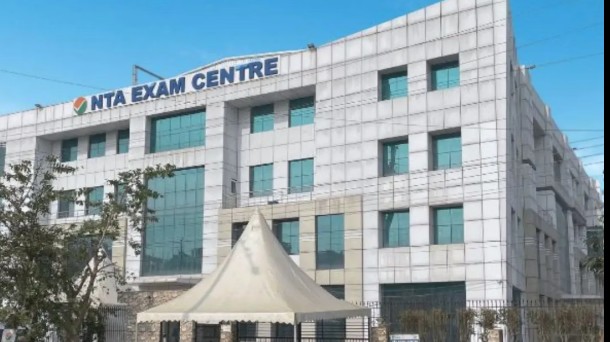
The National Testing Agency (NTA) is set for a significant restructuring of its examination machinery, with the Centre introducing multiple measures aimed at improving the security, accuracy and reliability of national-level examinations.
The latest reforms include a four-tier scrutiny system for question papers, the removal of around 600 experts from NTA’s examination panels, induction of new specialists and stronger security arrangements at the agency’s offices.
The measures follow a series of controversies and concerns surrounding major entrance and eligibility examinations conducted by the agency, increasing pressure on the NTA to strengthen its examination processes and rebuild confidence among students.
The reforms were reviewed in a follow-up meeting involving Union Education Minister Pralhad Joshi and senior NTA officials.
Four-Tier Checking System for NTA Question Papers
One of the most significant changes will be the introduction of a four-tier question paper checking mechanism.
Under the new approach, examination papers will pass through multiple levels of scrutiny before being used in an examination. The objective is to identify errors and strengthen the quality-control process before question papers reach candidates.
The additional layers of review are expected to cover aspects such as the accuracy of questions, subject content and overall quality.
The move is particularly important for high-stakes examinations, where even a relatively small error in a question or answer key can affect thousands of candidates.
The four-tier system is therefore being positioned as a major component of the NTA examination reform process.
Around 600 Experts Removed From NTA Panels
As part of the restructuring, the NTA has removed around 600 experts from its examination team and begun bringing new specialists on board.
The change is aimed at refreshing the agency’s expert pool and strengthening the process of question-paper development and review.
The NTA is also expected to induct around 20 to 25 officials over the next two to three weeks as part of efforts to strengthen its administrative and examination-related capacity.
The restructuring follows earlier measures to change the agency’s staffing and professional structure after criticism over examination-related problems.
NTA Offices to Get Stronger Security
Security is another major component of the NTA overhaul.
The agency plans to shift its offices to new premises on an accelerated timeline, with enhanced security arrangements planned at the new locations. Central Industrial Security Force (CISF) personnel are expected to be deployed to strengthen security.
The move is intended to improve the protection of sensitive examination infrastructure, confidential material and other operational facilities.
The agency had already taken steps towards strengthening security around its premises and examination-related material, including a tender floated earlier for security arrangements covering its offices and notified locations.
Why Is the NTA Being Restructured?
The NTA has faced intense scrutiny following controversies surrounding several national-level examinations.
The agency has been under pressure to improve examination integrity after concerns relating to NEET-UG, UGC-NET and other examinations raised questions about question-paper security, examination management and the reliability of testing processes.
The latest reforms are therefore part of a broader attempt to strengthen the agency’s operational systems rather than treating individual examination problems as isolated incidents.
The government has been reviewing the NTA’s examination machinery and has directed measures aimed at improving both the agency’s internal functioning and examination security.
From Question-Paper Preparation to Examination Security
The latest changes indicate that the NTA reform is being approached as a system-wide exercise.
The focus is not limited to checking questions. It extends across several stages of the examination process, including:
- Question-paper preparation
- Multi-level paper scrutiny
- Expert selection and empanelment
- Administrative staffing
- Protection of confidential examination material
- Office security
- Examination infrastructure
- Overall operational capacity
This broader approach is important because examination integrity depends on several interconnected stages rather than a single security measure.
What the Four-Tier System Could Mean for Students
For candidates appearing in NTA examinations, the most important expected benefit is greater accuracy in question papers.
A multi-level review process can potentially identify ambiguous questions, factual inaccuracies, incorrect options and other problems before an examination is conducted.
This could reduce the possibility of students being affected by avoidable errors and may also help minimise disputes over questions and answer keys.
However, the effectiveness of the system will depend on how independently and rigorously each level of scrutiny is implemented.
NTA Recruiting New Specialists
The replacement of hundreds of experts is another important part of the restructuring.
The NTA has begun onboarding new specialists while also planning to strengthen its administrative workforce. Reports indicate that additional recruitment and empanelment are being undertaken across different functional areas of the agency.
A stronger professional team could help the agency handle the increasingly complex requirements of conducting large-scale national examinations involving millions of candidates.
For students, however, the real measure of the restructuring will ultimately be whether these changes lead to fewer errors, better communication and more predictable examination processes.
Security Becomes Central to NTA Reform
The planned involvement of CISF at NTA offices highlights the growing importance of physical security alongside digital safeguards.
Examination systems increasingly depend on technology, encrypted data and computer-based testing, but confidential information still needs to be protected at physical locations.
Strengthening office security can therefore form one part of a wider chain of safeguards designed to protect examination material.
The objective is to ensure that confidential examination information remains secure throughout the preparation and administration process.
Restoring Student Trust Is the Bigger Challenge
While administrative restructuring and security measures are important, the biggest test for the NTA will be restoring student confidence.
Candidates appearing for national entrance and eligibility examinations invest considerable time and effort in preparation. Any uncertainty surrounding examination papers, schedules, answer keys or results can create significant stress and affect students’ faith in the system.
The four-tier scrutiny process, replacement of experts and enhanced security arrangements represent concrete structural changes. Their success, however, will ultimately be judged by how consistently and transparently the NTA implements them.
What Happens Next?
The NTA is expected to continue strengthening its examination team, with additional officials scheduled to be inducted in the coming weeks.
The agency’s office relocation and enhanced security arrangements are also expected to move forward alongside the changes to question-paper scrutiny.
The four-tier checking mechanism will be particularly important when applied to upcoming examinations because its effectiveness can be assessed only after it becomes part of the actual examination workflow.
For candidates, the immediate takeaway is that the NTA is undergoing one of its most significant operational overhauls since the agency came under heightened scrutiny.
NTA Reform 2026: A Test of Examination Integrity
The latest NTA overhaul 2026 represents an attempt to address concerns about examination quality and security through structural changes.
Four-tier question-paper scrutiny, the removal and replacement of around 600 experts, recruitment of additional officials and enhanced CISF security at NTA offices collectively point towards a more tightly controlled examination system.
But reforms on paper will need to translate into reliable execution.
For India’s students, the ultimate expectation is straightforward: question papers should be accurate, examination material should remain secure, procedures should be transparent and results should be delivered through a dependable system.
The success of the NTA’s latest restructuring will therefore be measured not simply by the number of experts replaced or security measures introduced, but by whether students experience a more credible and predictable examination system.