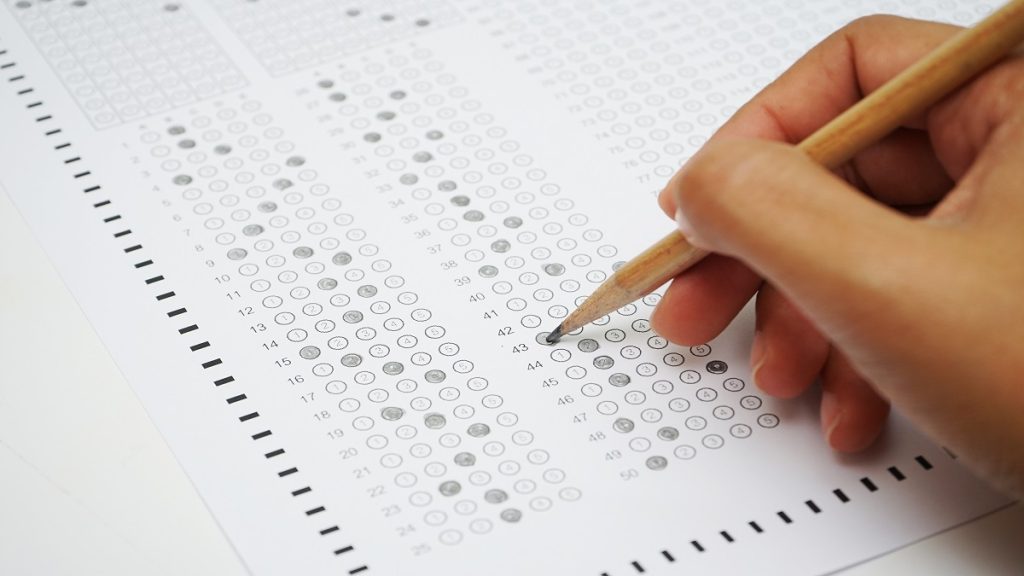
In a strong move to safeguard the integrity of the National Eligibility cum Entrance Test (NEET UG) 2026, the National Testing Agency (NTA) has issued a nationwide advisory cautioning candidates, parents, coaching institutes, and other stakeholders against submitting fake, digitally altered, or AI-generated OMR answer sheets while raising grievances regarding examination results.
The warning comes amid a growing number of complaints over alleged discrepancies between expected scores and official results. During the verification process, the NTA reportedly identified several manipulated Optical Mark Recognition (OMR) sheets that had been digitally altered using artificial intelligence and image-editing tools. The agency has made it clear that such fraudulent submissions are a serious offence and may invite stringent legal action.
Key Highlights
- NTA has warned against submitting fake or AI-generated OMR sheets.
- AI-assisted image manipulation was allegedly detected in some complaints submitted to the agency.
- Strict legal action may be initiated under multiple laws against individuals involved.
- Candidates, parents, coaching institutes and third parties could all face consequences if found guilty.
- Genuine grievances will continue to be examined through official procedures.
- The advisory reflects growing concerns over the misuse of AI technologies in competitive examinations.
Why Has NTA Issued This Warning?
Following the declaration of NEET UG 2026 results, several candidates approached the NTA claiming discrepancies between their expected scores and the marks awarded.
As part of its verification process, the agency compared the complaints with official examination records. During scrutiny, officials reportedly found that some OMR sheets submitted as evidence had been digitally manipulated or entirely generated using AI-based tools instead of being authentic copies issued by the NTA.
According to the agency, only the OMR records maintained in its official database are considered legally valid for evaluation and dispute resolution.
AI-Generated Documents Raise Fresh Concerns
Artificial Intelligence has transformed content creation and image editing, but its misuse is becoming a serious challenge for examination authorities worldwide.
The NTA noted that advanced AI tools are capable of producing highly realistic documents, making it increasingly difficult for ordinary users to distinguish genuine records from fabricated ones.
However, the agency emphasised that its verification systems can identify manipulated documents through technical examination and digital forensic analysis. Any attempt to mislead the examination authority using forged records is likely to be detected during verification.
Legal Consequences Could Be Severe
The NTA has warned that submitting fabricated OMR sheets or digitally altered examination records may attract legal proceedings under relevant provisions of:
- Public Examinations (Prevention of Unfair Means) Act, 2024
- Bharatiya Nyaya Sanhita (BNS), 2023
- Information Technology Act, 2000
The agency stated that legal action may not be limited to candidates alone. Parents, coaching centres, consultants or any third party found involved in creating or promoting forged documents could also face investigation and prosecution.
NTA Encourages Genuine Candidates to Use Official Channels
Despite its strict warning, the examination authority has assured candidates that legitimate grievances will continue to receive due attention.
Students who believe there has been an error in evaluation are encouraged to submit complaints only through official procedures and rely exclusively on documents issued by the NTA.
Officials have advised candidates not to trust social media posts, unofficial portals, or individuals claiming they can generate “corrected” OMR sheets or improve examination records using AI technology.
Growing Challenge of AI in Competitive Examinations
The incident highlights a broader challenge facing examination bodies worldwide.
With AI-powered editing software becoming more sophisticated and accessible, authorities are increasingly investing in digital verification systems to detect forged certificates, manipulated scorecards, and fabricated examination documents.
Education experts believe future examination systems will rely more heavily on secure digital records, encrypted databases, and AI-assisted forensic verification to preserve examination integrity.
Impact on Students and Coaching Ecosystem
The advisory also sends a strong message to the rapidly expanding coaching industry.
Experts say students should avoid relying on unofficial advice that encourages manipulation of examination records. Instead, aspirants should:
- Preserve only original documents issued by examination authorities.
- Verify information through official NTA notifications.
- Avoid forwarding or sharing unverified OMR sheets circulating on social media.
- Report suspicious activities to the appropriate authorities.
- Use official grievance redressal mechanisms whenever discrepancies arise.
Technology: A Double-Edged Sword
Artificial Intelligence is increasingly being integrated into education for personalised learning, automated evaluation, and academic support. However, its misuse in document forgery demonstrates the growing need for responsible and ethical use of emerging technologies.
The latest advisory serves as a reminder that while AI offers immense opportunities, attempts to exploit it for fraudulent purposes can undermine the credibility of high-stakes examinations and lead to serious legal consequences.