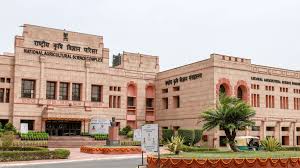
In a decisive regulatory move, the Gujarat government has mandated that private agriculture colleges without ICAR accreditation will be barred from admitting students starting April 2026. This step is aimed at strengthening the credibility and quality of agricultural education in the state.
The reform comes amid growing concerns over the rapid expansion of private institutions lacking proper academic standards, making this one of the most significant education policy shifts in recent years.
Background: Rise of Private Agriculture Colleges in Gujarat
Over the past decade, Gujarat has witnessed a surge in private agriculture colleges:
- Dozens of institutions established post-2017
- Many failed to obtain ICAR accreditation within the required timeline
- Increasing complaints about infrastructure gaps and faculty shortages
ICAR guidelines clearly state that institutions must secure accreditation within one year of establishment, yet several colleges did not comply.
This uncontrolled expansion created a quantity-over-quality imbalance, prompting government intervention.
The Core Decision: Strict Enforcement of ICAR Norms
The government’s directive is straightforward:
- ❌ No ICAR accreditation → No student admissions
- 📅 Effective from academic session 2026
- 🏛️ Monitoring committee formed for enforcement
Officials have emphasized that there will be no relaxation for non-compliant institutions, signaling a zero-tolerance approach.
Understanding ICAR Accreditation: The Quality Benchmark
The Indian Council of Agricultural Research (ICAR) acts as the apex body for agricultural education standards in India.
To receive accreditation, colleges must meet stringent criteria:
- Minimum 60% qualified faculty strength
- Adequate laboratories, infrastructure, and research facilities
- At least 20 hectares of functional agricultural land
- Accreditation of a significant portion of academic programs
- Peer-reviewed evaluation process
These requirements ensure that graduates are industry-ready and academically competent.
Key Issues Identified: Why Reform Became Necessary
1. 📉 Declining Academic Standards
Many private institutions lacked basic infrastructure and qualified teaching staff.
2. 🎓 Degree Credibility Concerns
Students from non-accredited colleges faced:
- Rejection in postgraduate admissions
- Limited recognition of degrees
State agricultural universities in Gujarat have already refused admission to such graduates, exposing systemic gaps.
3. 📊 Irregular Admission Practices
Reports indicated:
- Admissions beyond sanctioned intake
- Weak regulatory compliance
Stakeholder Perspective: Support from Farmers and Experts
The reform has received strong backing from:
- Farmer organizations
- Agricultural academicians
- Policy experts
Their key concern:
👉 Poor-quality education directly affects farm productivity, innovation, and sustainability.
Experts argue that agriculture graduates play a crucial role in:
- Modern farming techniques
- Agri-tech adoption
- Rural economic development
Impact Analysis: What This Means for Students
✅ Positive Outcomes
- Improved quality of education
- Better career opportunities
- Stronger eligibility for higher studies
- National-level recognition of degrees
⚠️ Immediate Challenges
- Reduced number of available colleges
- Increased competition for ICAR-approved seats
📌 Strategic Advice for Students
- Verify ICAR accreditation before admission
- Prefer government or reputed ICAR-approved institutions
- Focus on long-term career value over short-term convenience
Broader Impact: A Model for National Reform?
Gujarat’s decision could influence other states to adopt similar regulations.
India currently has:
- Dozens of agricultural universities
- Growing demand for skilled agri-professionals
With rising challenges like:
- Climate change
- Food security
- Sustainable farming
The need for high-quality agricultural education is more critical than ever.
Analytical Insight: Reform vs Reality
| Aspect | Before Policy | After Policy |
|---|---|---|
| College Growth | Rapid, unregulated | Controlled, quality-focused |
| Student Outcomes | Uncertain | More reliable |
| Degree Value | Questionable (in some cases) | Strong and recognized |
| Education Quality | Inconsistent | Standardized |