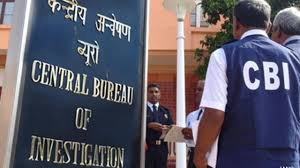
The NEET UG 2026 paper leak case has entered a crucial legal phase after the Central Bureau of Investigation (CBI) filed a nearly 20,000-page chargesheet against 13 accused, laying out what investigators describe as a coordinated conspiracy behind the circulation of examination questions before the medical entrance test.
The chargesheet draws upon 360 witnesses, 422 documents and 43 material objects, along with digital forensic, handwriting and academic expert reports. The scale of the evidence indicates that investigators have attempted to reconstruct the alleged chain from the source of the questions to those who ultimately received them.
The case is particularly significant because the alleged leak did not, according to the investigation, depend simply on a single stolen question-paper copy. Instead, investigators have traced multiple people who allegedly had access to the examination material, obtained questions before the test and helped pass them through intermediaries to prospective beneficiaries.
What the CBI Chargesheet Allegedly Reveals
According to the investigation, the alleged leak involved three subject experts associated with the examination process, intermediaries and people linked with coaching activities.
The chargesheet names 13 accused, including three NTA subject experts from Chemistry, Biology and Physics, along with alleged middlemen, coaching-related individuals and others accused of benefiting from or facilitating the circulation of leaked questions.
The CBI has invoked provisions relating to:
- Criminal conspiracy
- Cheating
- Criminal breach of trust
- Destruction of evidence
- Criminal misconduct under the Prevention of Corruption Act
- Offences under the Public Examinations (Prevention of Unfair Means) Act, 2024
These are allegations at the chargesheet stage. The accused will have the opportunity to contest the prosecution’s case before the court.
How the Alleged NEET Paper Leak Chain Worked
One of the most important aspects of the investigation is the alleged movement of questions through different layers.
The CBI’s case indicates that individuals with access to confidential examination material allegedly became the starting point of the chain. Questions were then allegedly passed to intermediaries and coaching-linked individuals before reaching selected candidates.
Investigators have also examined the financial trail associated with the alleged transactions. Searches across multiple States resulted in the seizure of digital devices, communication records and documents, while financial investigations included scrutiny of bank accounts, lockers and other financial holdings.
This makes the NEET UG paper leak investigation more than a conventional question-paper theft case. It is being treated as an organised examination malpractice network involving access, communication, intermediaries and alleged beneficiaries.
The Role of Examination Experts Under the Scanner
A particularly serious element of the CBI investigation is the alleged involvement of people who had legitimate access to examination material.
The chargesheet identifies three NTA subject experts among the accused. Their alleged involvement has raised questions about how confidential questions were protected during the stages of preparation, translation and handling.
Earlier in the investigation, the CBI had identified P.V. Kulkarni, a chemistry lecturer involved in the examination process, as an alleged source of the leak. The agency said its investigation found that questions were allegedly dictated during special coaching sessions before the examination and that handwritten versions later matched questions in the actual paper.
The alleged method is significant because it would reduce the need to physically copy or electronically transmit an entire question-paper file. Investigators have therefore examined handwritten material, witness statements and forensic evidence to establish the alleged connection.
Digital Evidence Became a Major Part of the Investigation
The CBI’s investigation also relied heavily on digital evidence.
Investigators examined mobile phones, laptops, communication records and online exchanges while attempting to identify how information moved between people connected to the alleged leak.
The agency’s final chargesheet includes digital forensic analysis reports, alongside handwriting and academic expert opinions. According to the CBI, these reports support its allegation that leaked questions were circulated before the examination.
The investigation demonstrates how digital traces can become important evidence even when people involved in an alleged examination leak attempt to avoid direct electronic communication.
From the Initial Complaint to a Multi-State Investigation
The NEET UG 2026 examination was conducted on May 3, 2026. Following allegations concerning unauthorised circulation of examination material, the Department of Higher Education filed a complaint and the CBI registered an FIR on May 12.
The investigation was expanded across several States. The agency deployed a large team, including cyber-forensic personnel, and carried out searches at 92 locations across Maharashtra, Rajasthan, Haryana, Delhi and other areas.
The CBI subsequently traced what it described as a chain connecting the alleged source of the questions with intermediary networks and beneficiary candidates.
Why the Case Had Such a Wide Impact
The alleged leak had consequences far beyond the individuals named in the investigation.
More than 22.7 lakh candidates had appeared for NEET UG 2026. The National Testing Agency subsequently cancelled the examination, and a re-examination was conducted on June 21. The re-test results were declared on July 16.
For students, the controversy meant months of preparation were followed by uncertainty over the validity of the examination. Candidates who had no connection with the alleged malpractice were also required to deal with a new examination schedule and the consequences of the cancellation.
That is why the NEET paper leak has become not merely a criminal investigation but also a major question about examination security, institutional accountability and student confidence.
What the 20,000-Page Chargesheet Means Legally
The filing of a chargesheet does not mean that the accused have been found guilty.
The document represents the prosecution’s case and the evidence it intends to rely upon. The court must examine the material, hear the defence and determine whether the legal requirements for proceeding against the accused are satisfied.
The Delhi fast-track court at Rouse Avenue has taken the chargesheet on record, with further proceedings to consider the prosecution material and the next stages of the case.
All 13 accused named in the chargesheet were reported to be in judicial custody at the time of filing.
What the Investigation Reveals About NEET Security
The case has exposed a fundamental vulnerability in any high-stakes examination: the security of a question paper depends not only on the final examination centre but on every stage before the paper reaches candidates.
Question creation, translation, review, printing, transportation, storage and distribution all form part of the security chain.
If confidential information is allegedly compromised at an earlier stage, conventional examination-centre security alone cannot prevent malpractice.
The CBI’s findings therefore put renewed focus on questions such as:
1. Who should have access to confidential questions?
Access should be strictly limited and continuously monitored, particularly during the preparation and translation stages.
2. How should expert panels be monitored?
The involvement of examination experts in an alleged leak raises the need for stronger conflict-of-interest checks, accountability mechanisms and audit trails.
3. Can technology improve paper security?
Digital tracking, controlled access, tamper-evident systems and stronger monitoring may help identify unusual activity before an examination is compromised.
4. How can innocent students be protected?
Any examination-security failure ultimately affects millions of candidates who have invested months or years preparing for a competitive test. Compensation, transparent communication and predictable contingency plans are therefore critical.
NEET UG Paper Leak: The Bigger Question of Trust
The most damaging consequence of an examination leak is not limited to the cancellation of a test.
It affects student confidence in merit-based selection.
NEET UG determines access to medical education for millions of aspirants. When allegations emerge that some candidates may have received examination material in advance, the fundamental principle that every candidate should compete under identical conditions comes under pressure.
The CBI chargesheet is therefore important not simply because it identifies alleged perpetrators, but because it provides investigators’ account of how a major examination-security failure allegedly occurred.
The court proceedings will ultimately determine the criminal liability of the accused. But for examination authorities, the case already offers an important lesson: security must be designed as a continuous chain, not treated as a single checkpoint on examination day.
NEET UG 2026 Paper Leak Case: Key Facts at a Glance
| Key Point | Details |
|---|---|
| Examination | NEET UG 2026 |
| Original exam date | May 3, 2026 |
| CBI FIR | May 12, 2026 |
| Accused in chargesheet | 13 |
| Witnesses cited | 360 |
| Documents cited | 422 |
| Material objects | 43 |
| Chargesheet size | Nearly 20,000 pages |
| Re-examination | June 21, 2026 |
| Re-test results | July 16, 2026 |
| Investigation | Multi-state CBI probe |
The figures cited above are based on the CBI’s chargesheet-related disclosures and reporting on the court proceedings.
What Happens Next in the NEET Paper Leak Case?
The legal process will now determine how much of the CBI’s evidence can ultimately be sustained in court.
The prosecution will have to establish its allegations through admissible evidence, while the accused will have the opportunity to challenge the claims and evidence against them.
For students and the wider education system, however, another question remains equally important: what changes will prevent a similar breach from affecting another national-level examination?
The NEET UG 2026 paper leak case has demonstrated how quickly a breach involving confidential examination material can escalate into a national crisis. The CBI investigation may establish individual responsibility, but restoring confidence in high-stakes examinations will require stronger systems, tighter accountability and greater transparency at every stage of the examination process.