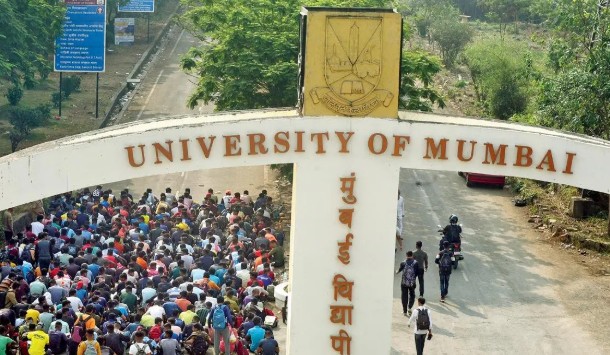
In one of its strongest actions against non-compliance with academic norms, Mumbai University has reduced student intake and imposed financial penalties on 102 affiliated Law and Bachelor of Education (B.Ed) colleges for failing to appoint the required number of approved teachers.
The move comes as part of the university’s broader effort to improve the quality of higher education by ensuring that colleges adhere to faculty appointment norms prescribed by regulatory bodies. University officials believe that maintaining an adequate number of qualified teachers is essential for delivering quality education, effective classroom learning, and better student outcomes.
The decision sends a clear message that institutions failing to meet minimum academic standards will face stricter regulatory action in the future.
Key Highlights
- Mumbai University has taken action against 102 affiliated Law and B.Ed colleges.
- The colleges were found to have insufficient approved teaching faculty.
- Student intake for the affected institutions has been reduced for the upcoming academic session.
- Financial penalties have also been imposed for violating faculty norms.
- The university says the move aims to improve academic quality and ensure compliance with regulatory standards.
Why Did Mumbai University Take This Action?
Faculty availability remains one of the most critical indicators of educational quality in higher education institutions.
According to university officials, inspections and compliance reviews revealed that several affiliated colleges were operating without the minimum number of approved teaching staff required under university and regulatory guidelines.
Instead of filling sanctioned teaching positions with qualified faculty members, some institutions continued admissions despite faculty shortages. The university concluded that such practices could adversely affect teaching quality, student mentoring, practical training, and academic supervision.
To address the issue, Mumbai University decided to reduce student admissions while simultaneously imposing financial penalties on the defaulting colleges.
How Many Colleges Are Affected?
The latest action covers:
- Law Colleges
- Bachelor of Education (B.Ed) Colleges
Together, 102 affiliated institutions have been found non-compliant with faculty appointment requirements.
The exact reduction in student intake varies depending on the extent of faculty shortages identified during inspections and compliance assessments.
What Are the Penalties?
The university has adopted a two-pronged approach.
1. Reduction in Student Intake
Colleges with inadequate faculty strength will be allowed to admit fewer students until they recruit the required number of approved teachers.
This measure is intended to maintain an appropriate student-teacher ratio and ensure that existing faculty can effectively manage academic responsibilities.
2. Financial Penalties
In addition to reducing admissions, Mumbai University has imposed monetary fines on institutions that failed to comply with faculty norms.
Officials believe financial penalties will encourage colleges to prioritise timely recruitment instead of postponing appointments.
Why Approved Teachers Matter
Qualified and approved faculty members play a crucial role in maintaining educational standards.
Adequate faculty strength helps ensure:
- Better classroom teaching.
- Individual student mentoring.
- Effective practical and laboratory sessions.
- Timely evaluation and assessment.
- Improved research and academic activities.
- Compliance with accreditation and regulatory standards.
Shortages can lead to increased workload for existing teachers, larger class sizes, and reduced academic support for students.
Impact on Students and Admissions
The university’s decision is expected to influence admissions for the current academic session.
For Students
- Admission capacity may decrease in the affected colleges.
- Students may need to consider alternative institutions if seats become limited.
- Institutions complying with faculty norms are likely to face increased demand.
For Colleges
- Institutions will need to recruit qualified faculty promptly.
- Compliance with university regulations will become a priority.
- Failure to address deficiencies could invite further regulatory action in future inspections.
A Strong Message on Quality Assurance
Higher education experts view the university’s action as part of a broader national emphasis on improving educational quality.
Regulatory bodies have increasingly stressed that merely expanding student enrolment is insufficient unless institutions also invest in:
- Qualified faculty recruitment.
- Academic infrastructure.
- Student support services.
- Research facilities.
- Modern teaching methodologies.
By linking admission capacity with faculty availability, universities aim to ensure that educational growth does not come at the expense of quality.
Faculty Shortages: A Wider Challenge
Teacher shortages remain a concern across many higher education institutions in India.
Common challenges include:
- Delays in recruitment processes.
- Financial constraints faced by private institutions.
- Difficulty in attracting qualified faculty in specialised disciplines.
- Increasing demand for experienced educators.
Education experts argue that addressing these issues requires better institutional planning, transparent recruitment, and sustained investment in academic resources.