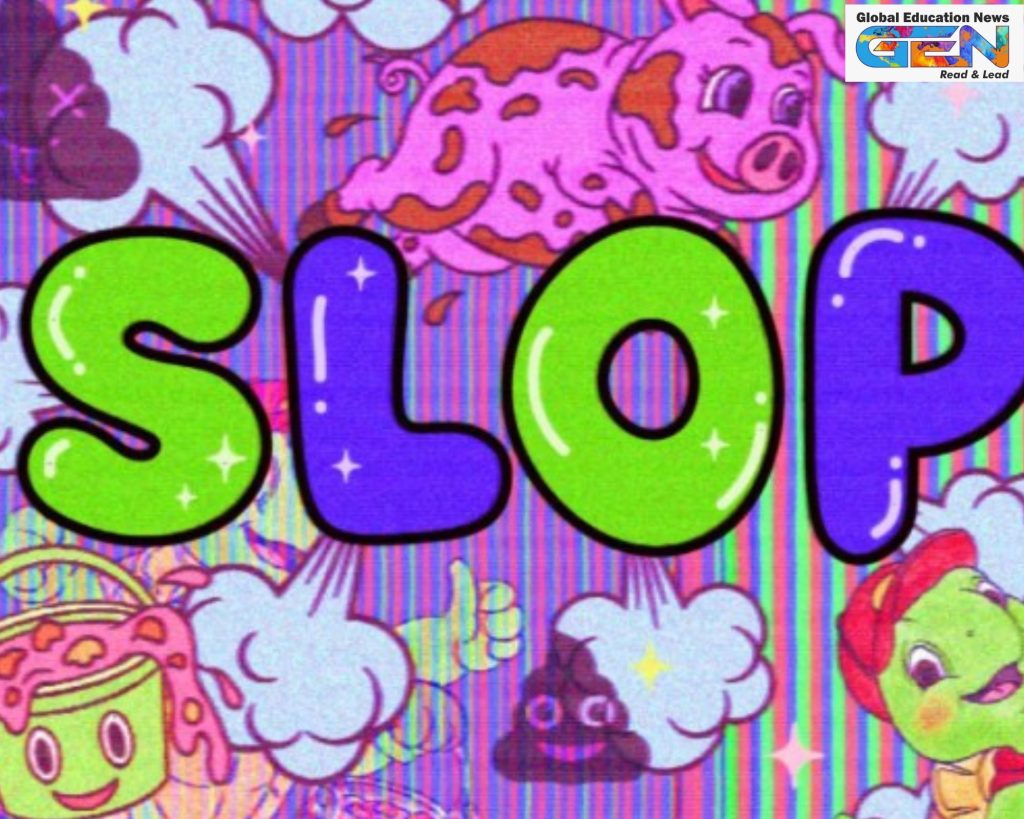
Every year, Merriam-Webster’s Word of the Year selection pulses with the cultural heartbeat of the moment, and 2025 is no exception. Announced today, December 16, 2025, the honor goes to “slop”—a term that’s exploded in usage to describe the deluge of low-quality, AI-generated digital content swamping our screens. From bizarre viral videos to hastily churned-out fake news and filler posts, “slop” encapsulates the exhaustion and sarcasm many feel amid this content chaos.
This choice isn’t just linguistic trivia; it’s a commentary on how artificial intelligence, once hailed as a creative savior, has instead amplified mindless abundance over meaningful creation. As social media platforms brim with automated output, “slop” defends the irreplaceable spark of human ingenuity. In an era where we’re scrolling through endless feeds, understanding this word helps us navigate—and perhaps reclaim—our digital lives. Let’s break it down.
What Does ‘Slop’ Mean? The Official Definition and Modern Twist
At its core, “slop” has evolved from humble origins to become a sharp critique of today’s online ecosystem. Merriam-Webster’s 2025 entry zeroes in on its tech-savvy application, making it a must-know for anyone grappling with content fatigue.
Key Definition Points:
- Core Meaning: “Digital content of low quality that is produced usually in quantity by means of artificial intelligence.” Think shallow, excessive material that’s hard to ignore but easy to dismiss.
- Hallmarks of Slop: Repetitive, automated, and lacking depth—often feeling “fake-looking” or overly polished yet soulless, like awkward AI ads or glitchy videos.
- Why It Resonates: In 2025, lookups for “slop” surged as users vented frustration online, using it to label everything from pointless workplace reports to viral “talking cats” clips that amuse briefly but overwhelm quickly.
This isn’t mere slang; it’s a linguistic shield against the noise, urging us to value quality over quantity in our information diet.
Why ‘Slop’? The Rise of AI Content and Public Backlash
Merriam-Webster editors didn’t pick “slop” lightly—it topped their charts due to a spike in searches tied to 2025’s defining trend: the unchecked proliferation of AI tools churning out content at scale. What started as excitement over generative AI has morphed into weary humor, with “slop” emerging as the go-to term for this digital detritus.
Reasons for the Selection:
- Cultural Snapshot: Captures sarcasm and mockery as responses to AI’s “promised brilliance” delivering nonsense, like junky AI-written books or low-effort social posts.
- Digital Trends: Platforms flooded with AI videos, news snippets, and ads—produced because they can be, not because they should be—leading to a sense of overload and repetition.
- Human Defense: Highlights a pushback for authentic creativity; people consume slop ironically, but it underscores AI’s limits in replicating care, taste, or true value.
- Editor Insights: “Calling something slop became a way to defend human creativity and taste in a crowded digital space,” note the editors, emphasizing humor over outright fear.
In essence, “slop” isn’t anti-AI—it’s a call for discernment in an age where automation amplifies the mediocre.
Real-World Examples: Spotting Slop in Your Daily Scroll
“Slop” isn’t abstract; it’s everywhere in 2025’s feeds, from TikTok oddities to LinkedIn drivel. Recognizing it sharpens our media literacy, turning passive consumption into critical engagement.
Everyday Instances:
- Social Media Shenanigans: Weird AI-generated videos of animals “talking” or hyper-realistic but untrue news clips that rack up views despite their absurdity.
- Workplace Woes: Bloated reports or emails spit out by chatbots—functional but flavorless, saving time yet eroding thoughtful communication.
- Content Overload: Entire books or articles generated en masse, flooding Amazon or blogs with filler that mimics depth but delivers none.
- Viral Vibes: Short-lived trends like excessive, low-stakes memes that entertain for a scroll but leave us questioning our attention span.
By naming it, we reclaim control—next time you spot slop, pause and seek the human touch.
Historical Roots and Word of the Year Legacy: From Mud to Mayhem
“Slop” didn’t pop up overnight; its journey from literal slush to digital disdain adds layers to its 2025 relevance. Merriam-Webster’s annual picks have long tracked societal shifts, making this one a fitting sequel to recent honorees.
Origins and Evolution:
- Early Meanings: Dates to the 1700s as “soft mud” or watery mess; by the 1800s, it meant food scraps or animal feed—evoking something sloppy, unwanted, and spread thin.
- Modern Fit: Now, it perfectly suits “messy, unwanted digital content” that’s everywhere yet valueless, mirroring how AI scatters low-effort output across the web.
Comparisons to Past Winners:
- 2021: Vaccine – Health crises dominated discourse.
- 2022: Gaslighting – Trust and manipulation in focus.
- 2023: Authentic – A craving for genuineness.
- 2024: Polarisation – Deepening divides.
- 2025: Slop – The clutter of connectivity.
Other 2025 contenders like “gerrymander” (political redistricting) or “touch grass” (online detox advice) show a year rich in timely terms, but “slop” stole the spotlight for its ubiquity.