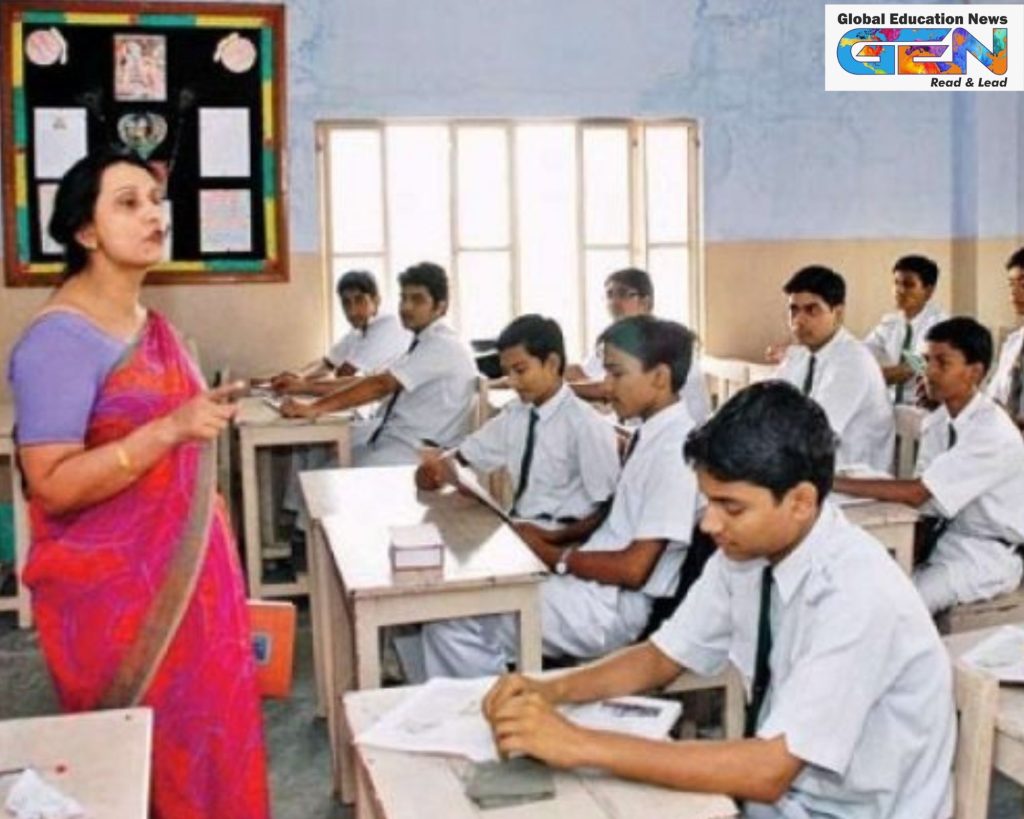
In a transformative move to elevate school education, the Maharashtra government has partnered with Khan Academy and the Sri Sri Rural Development Trust (SSRDT) to launch a groundbreaking maths and science programme for students in Classes 1 to 10. Signed on July 30, 2025, in the presence of Chief Minister Devendra Fadnavis, these Memorandums of Understanding (MoUs) mark a significant step toward making education more engaging, effective, and inclusive. This initiative aligns with the National Education Policy (NEP) 2020, focusing on fostering curiosity, critical thinking, and conceptual understanding among young learners.
Dr Jayant Narlikar Maths and Science Learning Enhancement Programme
Key Points:
- Three-year programme implemented by SCERT for Classes 1-10.
- Curriculum-aligned content available in Marathi and English.
- Features self-paced, video-based learning modules from Khan Academy.
- Focuses on strengthening conceptual understanding in maths and science.
The collaboration with Khan Academy introduces the Dr Jayant Narlikar Maths and Science Learning Enhancement Programme, a three-year initiative managed by the State Council of Educational Research and Training (SCERT). This programme offers curriculum-aligned resources in Marathi and English, designed to deepen students’ understanding of mathematics and science. Khan Academy’s self-paced, video-based modules enable students to learn at their own speed, making complex concepts more accessible and engaging. This approach not only supports classroom learning but also empowers students to master foundational skills critical for academic success.
- Maharashtra government signed MoUs with Khan Academy and Sri Sri Rural Development Trust (SSRDT) on July 30, 2025.
- Initiative aims to enhance maths and science learning for Classes 1-10.
- Chief Minister Devendra Fadnavis emphasizes engaging and effective education.
- Programme aligns with National Education Policy (NEP) 2020 goals.
Experiential Learning Through SSRDT Partnership
Key Points:
- SSRDT to implement experiential learning in 150 government schools.
- Focus areas include infrastructure upgrades, teacher training, and community engagement.
- Targets model schools under NEP’s School Complex framework, including PM Shri and CM Shri schools.
- Aims to create a holistic school ecosystem for improved learning outcomes.
The partnership with the Sri Sri Rural Development Trust (SSRDT), part of the Art of Living Foundation, focuses on holistic school development in 150 selected government schools. This initiative emphasizes experiential learning through hands-on activities, fostering creativity and practical understanding. Key components include school development planning, infrastructure improvements, teacher training, student skill-building, and enhanced community participation. By targeting model schools under the NEP’s School Complex framework, such as PM Shri and CM Shri schools, SSRDT aims to strengthen the educational ecosystem, particularly in rural areas, ensuring a well-rounded learning experience.
Aligning with National Education Policy 2020
Key Points:
- Programme supports NEP 2020’s focus on competency-based learning.
- Integrates technology-driven and experiential learning models.
- Complements Maharashtra’s adoption of NCERT textbooks for maths and science from 2025-26.
- Addresses learning gaps highlighted in ASER 2024 and National Achievement Survey (2023).
This initiative aligns seamlessly with the National Education Policy (NEP) 2020, which prioritizes competency-based learning over rote memorization. By combining Khan Academy’s technology-driven resources with SSRDT’s experiential learning models, the programme addresses critical learning gaps identified in reports like ASER 2024, where only 42% of Class 5 students could read Class 2 texts and 30% could solve basic division. The adoption of NCERT textbooks for maths and science in state board schools from 2025-26 further complements this effort, ensuring curriculum consistency and alignment with national standards.
Empowering Teachers and Engaging Communities
Key Points:
- Teacher training to enhance instructional quality and classroom engagement.
- Community participation to strengthen school ecosystems.
- Real-time diagnostic tools and resources to support educators.
- Focus on rural schools to bridge urban-rural education divide.
A key pillar of this programme is empowering teachers through targeted training provided by SSRDT and Khan Academy. Educators will gain access to modern teaching tools, including real-time diagnostics and resources, to identify and address student learning gaps effectively. Community engagement initiatives will foster stronger ties between schools and local stakeholders, creating a supportive environment for education. By prioritizing rural schools, the programme aims to bridge the urban-rural education divide, ensuring equitable access to quality learning opportunities.
A Vision for Maharashtra’s Educational Future
Key Points:
- Initiative to improve learning outcomes and student engagement.
- Leverages global expertise of Khan Academy and SSRDT’s holistic approach.
- Sets a benchmark for technology-driven, student-centric education.
- Positions Maharashtra as a leader in educational innovation.
Maharashtra’s new maths and science programme is a bold step toward transforming education for over 16 lakh students appearing for SSC exams in 2025. By leveraging Khan Academy’s global expertise in self-paced learning and SSRDT’s focus on experiential education, the state is creating a dynamic, student-centric learning environment. This initiative not only addresses current educational challenges but also positions Maharashtra as a leader in innovative education, setting a model for other states to follow.