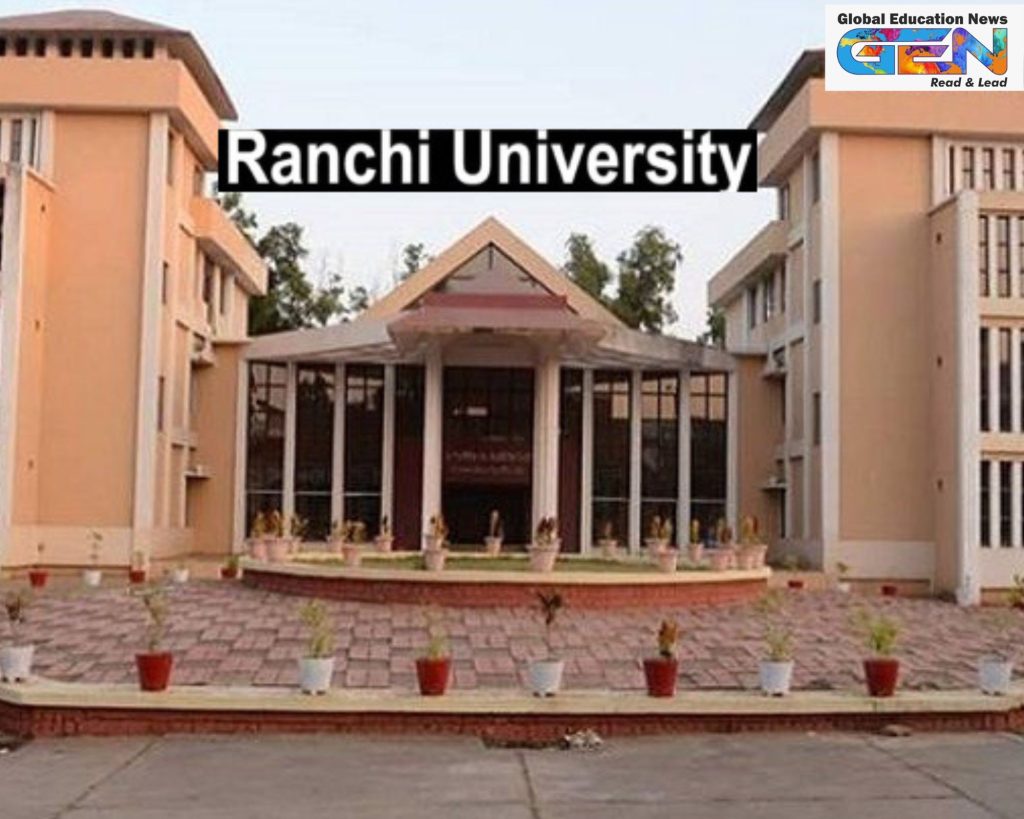
Imagine being a student ready to take on the next chapter of your education, only to find the door unexpectedly shut. That’s the reality for nearly 2.5 lakh students in Jharkhand’s intermediate colleges, following a Governor’s order that has disrupted university admissions. But here’s the twist: the Jharkhand government isn’t backing down. Instead, it’s turning this crisis into a golden opportunity to reshape the state’s education landscape with a bold plan to transition students to higher secondary schools.
- Governor’s directive halts university admissions for intermediate colleges.
- 2.5 lakh students, including those in 168 private colleges, affected.
- State plans to shift students to higher secondary schools.
Why the Shift? Unpacking the Challenge
Key Points:
- Universities deny admissions to intermediate college students.
- 168 private and university-affiliated colleges impacted.
- Education Minister Ramdas Soren calls it a “significant challenge.”
The Governor’s directive sent shockwaves through Jharkhand’s education system, leaving students and parents in a state of uncertainty. With intermediate colleges—both private and university-affiliated—no longer a viable path for university admissions, the stakes are high. Education Minister Ramdas Soren didn’t mince words, acknowledging the scale of the issue. But rather than dwell on the problem, the government is diving headfirst into a solution that could redefine student welfare in the state.
The Game Plan: Higher Secondary Schools to the Rescue
Key Points:
- Transitioning students to higher secondary schools for continuity.
- Schools offer robust infrastructure and aligned curricula.
- A scalable solution for 2.5 lakh students.
So, what’s the big idea? The Jharkhand government is steering students toward higher secondary schools, a move that’s as practical as it is visionary. These schools are equipped to handle large student volumes, boast experienced faculty, and offer curricula tailored to intermediate-level learners. It’s not just about keeping education on track—it’s about opening doors to better resources and opportunities. For students, this could mean a smoother path to academic success and beyond.
Why This Matters: A Win for Student Empowerment
Key Points:
- Jharkhand sets a precedent for education reform.
- Focus on inclusive education for all affected students.
- A model for other states facing similar challenges.
This isn’t just a quick fix—it’s a statement. By prioritizing the futures of 2.5 lakh students, Jharkhand is proving that no challenge is too big when it comes to education reform. The state’s swift action highlights its commitment to inclusive education and sets a powerful example for others. It’s a reminder that with bold leadership, obstacles can become stepping stones to a brighter future.
What’s Next? A Roadmap for Students and Parents
Key Points:
- Government finalizing transition logistics.
- Support systems like counseling and infrastructure upgrades expected.
- Stay updated via official Jharkhand education channels.
The road ahead is buzzing with possibilities, but questions remain: How will the transition work? What support will students receive? The government is hard at work, with plans to roll out detailed guidelines soon. For now, students and parents should keep tabs on updates from the Jharkhand School Education and Literacy Department. Pro tip: explore what higher secondary schools offer—new opportunities might just surprise you!
Join the Journey: A Bright Future Awaits
Key Points:
- Jharkhand’s proactive approach ensures no student is left behind.
- A chance for students to embrace new academic pathways.
- Stay engaged and informed for a seamless transition.
Jharkhand’s education saga is far from over—it’s just getting started. By tackling this challenge with creativity and resolve, the state is paving the way for a more resilient education system. For students, this is a chance to turn uncertainty into opportunity. So, buckle up, stay informed, and get ready to thrive in Jharkhand’s evolving academic landscape!