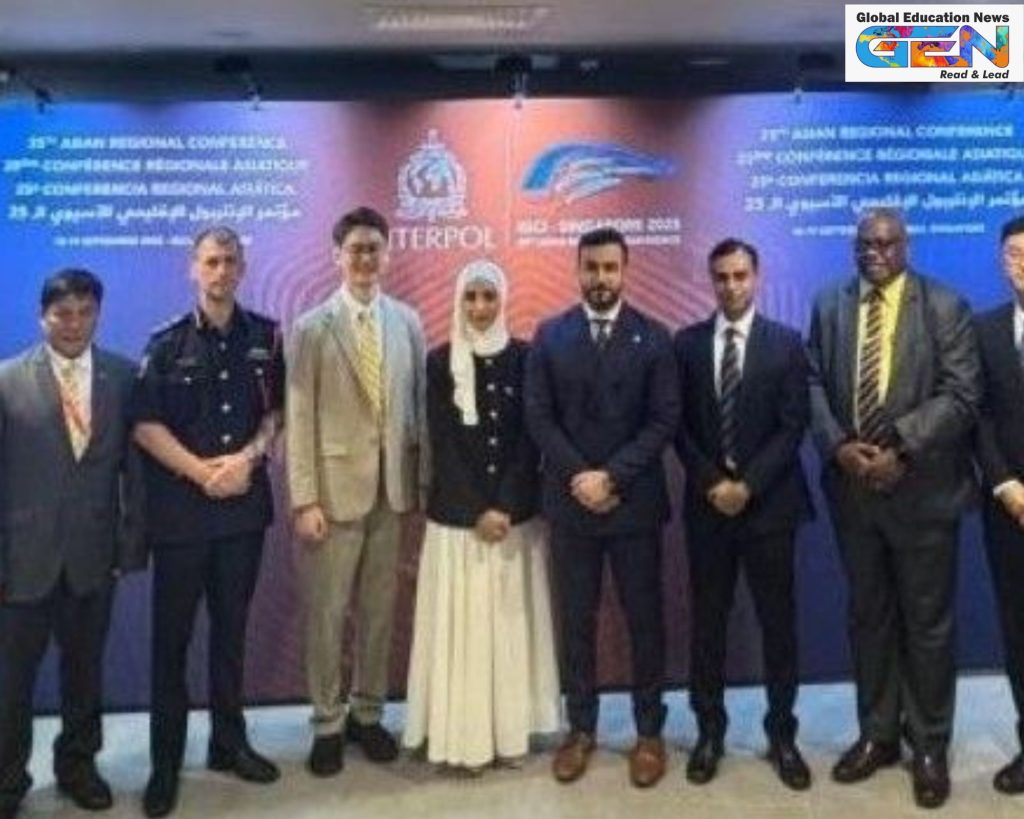
In the high-stakes arena of global security, where cyber hackers lurk in shadows and terror networks span continents, India’s star is rising. On September 19, 2025, during the pulsating 25th Interpol Asian Regional Conference in Singapore, India clinched a coveted seat on the Interpol Asian Committee for the 2025-29 term. Represented by a sharp delegation from the Central Bureau of Investigation (CBI), this multi-stage electoral victory isn’t just a diplomatic feather in the cap—it’s a powerhouse move to amplify India’s voice against Asia’s deadliest threats. As the conference wrapped with pledges for smarter intel sharing and joint ops, experts hail this as a “major leap” in curbing organized crime and beyond. Buckle up as we decode what this means for India’s security playbook and the region’s fight for a safer tomorrow.
Decoding the Interpol Asian Committee: The Brain Trust of Asian Security
Picture a roundtable where Asia’s top cops hash out strategies against shadowy syndicates— that’s the Interpol Asian Committee in a nutshell. As the advisory powerhouse to the Asian Regional Conference, it convenes yearly to dissect pressing perils and chart coordinated countermeasures, ensuring member nations punch above their weight in the global crime war.
Key Points:
- Core Mandate: Guides regional ops on hot-button issues like organized crime, cyber threats, terrorism, human trafficking, and drug cartels.
- Strategic Edge: Identifies Asia-specific priorities, from digital fraud spikes to terror financing flows, fostering intel swaps and joint raids.
- Conference Catalyst: The Singapore event (September 18-19) spotlighted environmental crime and deeper ties with ASEAN and Gulf police chiefs.
This isn’t armchair advising—it’s the nerve center turning intel into action, and India’s now at the helm.
India’s Election Saga: CBI’s Diplomatic Masterstroke in Singapore
The road to victory was no cakewalk. India’s CBI team, doubling as the National Central Bureau (NCB) for Interpol, waged a savvy campaign blending bilateral schmoozing and multilateral muscle. Through embassies and high commissions, they rallied support from allies, clinching the win in a competitive, multi-stage vote that showcased Asia’s trust in New Delhi’s prowess.
Key Points:
- CBI Spotlight: As Interpol’s Indian focal point, the agency handles Red Notices (up 100% since 2023) and the Bharatpol portal for seamless cross-border probes.
- Historical Highs: Builds on wins like Praveen Sinha’s 2021 election to Interpol’s Executive Committee, beating rivals from China and Singapore.
- Election Buzz: MEA’s Randhir Jaiswal tweeted the triumph, underscoring shared challenges like drug runs and cyber heists.
It’s a nod to India’s evolution from participant to pacesetter in transnational policing.
Why This Win Packs a Punch: Amplifying India’s Security Clout
Forget the headlines—this election is a force multiplier for India’s neighborhood watch. With Asia grappling with a cybercrime tsunami and trafficking booms, India’s committee perch supercharges intel flows, extraditions, and capacity builds, aligning global ops with homefront priorities like counter-terror and digital defenses.
Key Points:
- Voice Booster: Elevates India’s sway in Asia-Pacific decisions, from standardizing cyber frameworks to fortifying extradition pacts.
- Neighborly Gains: Easier pursuits of fugitives via doubled Red Notices, streamlining chases across borders.
- Broader Ripple: Fuels joint ops against terror nets and green crimes, echoing Interpol’s conference call for “cutting-edge” collaborations.
In a region where threats don’t respect maps, this seat turns India’s strategies into shared shields.
Expert Echoes and Ground Swell: Reactions Lighting Up the Discourse
From CBI corridors to social feeds, the cheers are unanimous. MEA hailed it as a commitment to “jointly address common challenges,” while Rashtriya Raksha University pledged ramped-up research and training against trafficking and hacks. On X, posts from @CBIHeadquarters and @MEAIndia racked up views, with RRU vowing contributions via education and extension programs.
Key Points:
- CBI’s Take: “Endorsement of India’s growing global leadership in law enforcement.”
- Interpol Chair Ali Mohammed Al-Ali: Stressed “smarter collaboration” post-conference, aligning with India’s priorities.
- Social Surge: Over 200 views on RRU’s congratulatory post, tagging PMO and police forces nationwide.
These voices paint a picture of unified momentum toward a fortified Asia.
The Bigger Canvas: Asia’s Crime Shadows and India’s Spotlight
Timing is everything. As Asia battles a digital deluge—think ransomware rings and fentanyl floods—this election arms India to lead the charge. It syncs with national pushes like the CBI’s portal upgrades and global ties, positioning New Delhi as the go-to for capacity-building in smaller nations.
Key Points:
- Threat Horizon: Conference zeroed in on drug ops, cyber ops, and eco-crimes amid rising regional ties with ASEAN and Pacific chiefs.
- India’s Playbook: Advocate for uniform cyber protocols and police upskilling, weaving in national concerns like border security.
- Legacy Lift: Echoes past highs, solidifying India’s Interpol legacy for the 2025-29 haul.