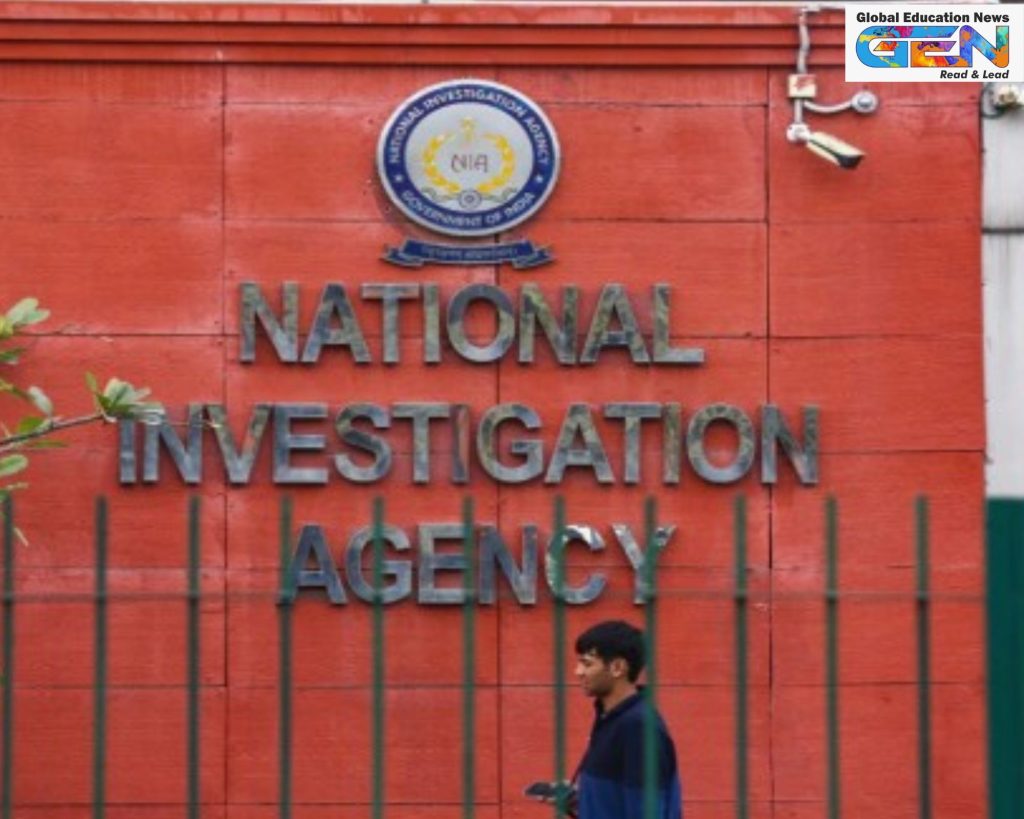
As of December 26, 2025, India is on the cusp of a seismic shift in its security architecture with the impending rollout of its first comprehensive National Counter Terrorism Policy and Strategy. Spearheaded by the Ministry of Home Affairs (MHA), this unified framework seeks to transcend fragmented responses, integrating intelligence, prevention, and operations against modern threats like digital radicalization and porous borders. Amid a spate of incidents—from the April 22 Pahalgam attack to the November 10 Red Fort suicide bombing—the policy addresses longstanding gaps in coordination between central agencies like the NIA and state police. With consultations underway at the NIA’s national conference in New Delhi, this initiative aligns with Union Home Minister Amit Shah’s vision for structured, long-term counter-terrorism. This analysis delineates the policy’s genesis, core tenets, strategic rationale, operational blueprint, and transformative potential, evaluating its role in fortifying India’s internal security amid geopolitical flux.
Genesis and Context: From Reactive Measures to Strategic Doctrine
India’s counter-terrorism edifice, built on laws like the Unlawful Activities (Prevention) Act (UAPA) and agencies such as the National Investigation Agency (NIA), has long been critiqued for its siloed approach. The absence of a singular national policy has engendered inconsistencies in threat assessment and response, particularly as terrorism evolves from state-sponsored violence to hybrid digital and transnational models.
- Historical Backdrop: Post-26/11 reforms birthed specialized units like the National Security Guard (NSG) and Multi-Agency Centre (MAC), yet coordination lags persisted, evident in delayed intelligence sharing during the 2025 Pahalgam assault.
- Catalyst Events: The policy’s urgency stems from 2025’s terror uptick—over 15 major incidents, including cross-border infiltrations via Nepal—highlighting vulnerabilities in cyber domains and foreign-funded networks.
- Ministerial Mandate: Amit Shah’s announcement signals a doctrinal pivot, emphasizing “proactive intelligence-driven prevention” over ad-hoc reactions, in sync with NEP 2020’s security-education nexus for youth deradicalization.
This foundational realignment positions the policy as a cornerstone of Viksit Bharat@2047, potentially reducing terror incidents by 20-30% through enhanced preparedness.
Core Objectives and Rationale: Tackling Evolving Threat Vectors
The policy’s raison d’être lies in addressing non-traditional perils that traditional frameworks overlook, fostering a holistic national strategy amid rising online extremism and border flux.
- Digital Radicalization Focus: Targets extremist exploitation of social media and encrypted apps for youth indoctrination, with provisions for cyber-monitoring and early intervention programs.
- Cross-Border Imperatives: Counters misuse of open frontiers, notably Nepal, for logistics and module movements, integrating border security with real-time intel fusion.
- Foreign Influence Mitigation: Curbs conversion and radicalization networks backed by external funding, safeguarding social cohesion via community outreach.
- Coordination Imperative: Bridges Centre-state divides, institutionalizing joint task forces to slash response times from days to hours.
Analytically, these aims respond to a 40% surge in online terror propaganda in 2025, per MHA data, underscoring the need for adaptive doctrines in an era of asymmetric warfare.
Key Features: A Blueprint for Unified Action
The policy’s architecture emphasizes integration, training, and technology, creating a resilient ecosystem for prevention and response.
| Feature | Description | Strategic Impact |
|---|---|---|
| Intelligence-Led Prevention | Mandates NATGRID for secure data access; AI-driven predictive analytics for threat mapping. | Shifts from reaction to preemption; potential 25% drop in radicalization cases via early detection. |
| Agency Synergy | Unified protocols for NIA, NSG, IB, and state forces; mandatory quarterly joint drills. | Reduces silos; enhances operational efficiency, as seen in NIA-NSG simulations. |
| Capacity Building | Specialized training modules on cyber-terror and border ops; youth deradicalization via school curricula. | Builds 10,000+ skilled personnel annually; aligns with global best practices like UK’s Prevent Strategy. |
| Monitoring and Evaluation | Annual audits and KPI dashboards for policy efficacy; public reporting on terror metrics. | Ensures accountability; fosters transparency in a democracy. |
These elements, honed through NIA Director General Sadanand Date’s consultations with state chiefs, prioritize scalability across India’s diverse terrains.
Implementation Roadmap: From Draft to Deployment
With the policy in finalization, rollout hinges on multi-stakeholder execution, leveraging the ongoing NIA conference for buy-in.
- Phased Rollout: Q1 2026 pilot in high-risk zones (J&K, Northeast); nationwide by mid-year, with ₹5,000 crore allocation for tech upgrades.
- Stakeholder Engagement: Centre-state pacts via MHA summits; civil society input on deradicalization to mitigate overreach concerns.
- Tech Integration: Blockchain for secure intel sharing; drone surveillance along borders, piloted post-Red Fort incident.
- Monitoring Milestones: Biannual reviews by a National Counter-Terrorism Board, reporting to Parliament.
Challenges include federal sensitivities—states wary of central overreach—and resource strains in underfunded police units, addressable via incentive-linked funding.
Implications and Expert Perspectives: Reshaping Security Paradigms
This policy heralds a proactive era, potentially elevating India’s global counter-terror stature while domesticating threats.
- Security Enhancements: Unified frameworks could avert 15-20% of incidents, bolstering public confidence amid 2025’s 12% rise in terror alerts.
- Socioeconomic Dividends: Curbs radicalization’s economic drag (₹10,000 crore annual losses), fostering stable growth in border economies.
- Geopolitical Ramifications: Aligns with Quad initiatives on cyber-terror; positions India as a South Asian security exporter.
- Potential Pitfalls: Risks privacy erosions via surveillance; experts like NSG chief Brighu Srinivasan advocate “balanced enforcement” to uphold civil liberties.
In essence, it transforms terrorism from a perpetual crisis to a managed risk, echoing Israel’s holistic models.