Published on October 1, 2025
Delhi, India
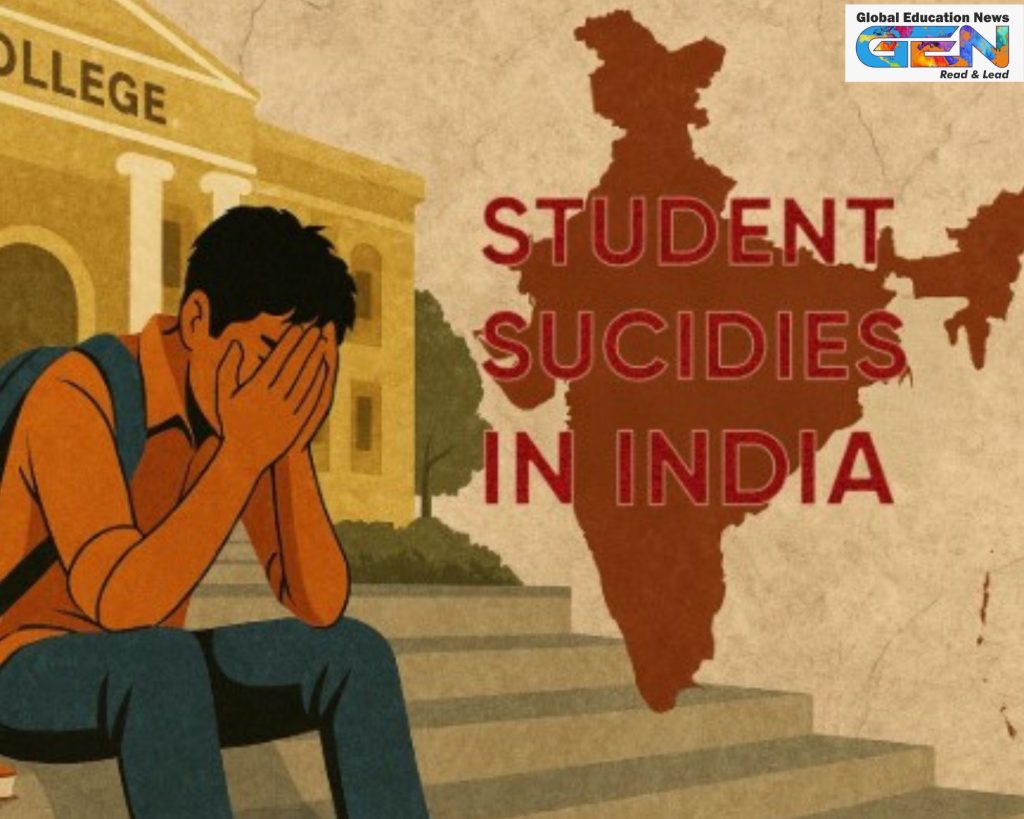
The National Crime Records Bureau’s (NCRB) 2023 report drops a gut-wrenching bombshell: 13,892 students took their lives last year, the highest in a decade and a staggering 65% jump from 2013’s 8,423 cases. Accounting for 8.1% of all national suicides, this crisis isn’t just numbers – it’s a clarion call for urgent action amid academic pressure, familial expectations, and crumbling support systems. As experts warn of a 4% annual uptick, can this tragedy ignite real change in student mental health India 2023? Let’s unpack the stats, stories, and solutions shaping a resilient future.
Crisis Core Key Takeaways:
- Record High: 13,892 student deaths by suicide in 2023, up from 13,044 in 2022 and 12,526 in 2020 – a decade’s darkest peak.
- Demographic Hit: 24.6% victims with secondary education only; 18.6% stopped at middle school; one in seven 15-24-year-olds battles depression, but stigma keeps 59% silent.
- Trend Alert: 64% rise over 10 years, outpacing overall suicides; under-reporting skews true toll, especially in rural and female cases.
- Hope Horizon: National strategies like Tele-MANAS aim for 10% mortality drop by 2030 – but implementation gaps loom large.
Unmasking the Triggers: Academic Stress, Isolation, and Hidden Pressures Fueling the Surge
Behind every statistic lies a story of unrelenting strain – from board exam failures triggering a fourfold spike in helpline calls to social media-fueled body image battles. The IC3 Institute’s deep dives reveal family demands and career uncertainties as silent killers, with 40% of students clueless about support lifelines. In a nation where success is often measured in ranks, the emotional toll is devastating, especially for under-18s facing relentless coaching marathons.
Top Culprits in Student Suicides India 2023:
- Exam & Academic Overload: Failure in public tests like JEE/NEET cited in 30%+ cases; May result seasons see crisis calls quadruple.
- Family & Social Squeeze: High expectations, isolation, and financial woes – exacerbated by abuse or violence in 15-20% scenarios.
- Systemic Shortfalls: Scarce counseling (only 41% seek help), uncertain futures, and pandemic echoes like disrupted routines.
- Method Insights: Hanging dominates (60%), followed by poisoning; rural-urban parity masks deeper access divides.
- Expert Echo: “Stress and uncertainty breed despair without visible anchors,” notes counselors, urging schools to weave mental health into daily fabric.
This cocktail of pressures isn’t new, but the 2023 spike – sharper than the national 1.4% suicide rise – screams for intervention before another generation buckles.
State Spotlight: Maharashtra Leads the Grim Tally, But No Corner is Immune
The crisis cuts unevenly across India’s map, with urban hubs and heartland states bearing the brunt due to cutthroat competition and uneven resources. Maharashtra’s 2,046 cases (14.7%) top the charts, while Madhya Pradesh (1,459) and Uttar Pradesh (1,373) follow closely – hotspots for coaching culture and migration strains. Southern states like Tamil Nadu (1,339) highlight universal vulnerabilities, with NCRB flagging under-enumeration in less-developed regions.
State-Wise Suicide Snapshot 2023:
| State | Cases | % of Total | Hot Factors |
|---|---|---|---|
| Maharashtra | 2,046 | 14.7% | Intense coaching hubs like Kota spillover; urban isolation. |
| Madhya Pradesh | 1,459 | 10.5% | Rural exam pressures; limited rural counseling access. |
| Uttar Pradesh | 1,373 | 9.9% | Population density + family expectations; violence links. |
| Tamil Nadu | 1,339 | 9.6% | Competitive boards; rising among girls (25% female victims). |
| Others (Karnataka, Rajasthan, etc.) | 7,675 | 55.3% | Varied: LWE areas add trauma; Northeast sees cultural stigma spikes. |
These disparities underscore a need for tailored NCRB student suicides 2023 responses – from Maharashtra’s awareness drives to UP’s rural helplines.
Government Gear-Up: From Mental Healthcare Act to Tele-MANAS – Steps Forward Amid Gaps
India’s policy playbook has evolved, but execution lags. The 2017 Mental Healthcare Act decriminalized attempts, paving for rights-based care, while the 2022 National Suicide Prevention Strategy (NSPS) targets a 10% mortality cut by 2030 via community networks. Tele-MANAS, a 24/7 toll-free lifeline (14416), handled 1.7 million calls by mid-2025, blending tele-counseling with AI triage. Yet, the 2025 IC3 Well-being Pulse flags 50%+ students adrift on career guidance, with only 20% schools boasting full-time counselors.
Key Initiatives & Hurdles:
- Tele-MANAS Magic: 139 languages, 80+ centers – a lifeline for isolated students, but awareness hovers at 40%.
- NSPS Pillars: School integration, teacher training, and stigma-busting campaigns – rollout uneven, with rural gaps widest.
- School Mandates: NEP 2020 pushes socio-emotional learning; 2024 guidelines eye counselor ratios (1:250 students).
- Gap Gripe: Understaffing (1 psychiatrist per 2 lakh people); policy silos ignore holistic needs like peer programs.
- Forward Push: Budget 2025 allocates ₹1,500 crore for youth mental health – time to bridge talk and action.
These tools show promise, but experts demand enforcement to turn student mental health initiatives India from paper to practice.
Voices from the Frontlines: Parents, Teachers, and Survivors Chart the Path to Healing
Heart-wrenching tales from Pune parents spotting “withdrawal signs” too late, or Lucknow educators fostering “safe space” chats, paint a human portrait. Survivors like those in IC3 forums stress peer circles as buffers, while counselors like Rahul Sharma advocate “proactive check-ins” over reactive crises. Dr. Arvind Nair, a clinical psychologist, champions teacher upskilling: “Train them to spot the quiet storms – a conversation can save a life.”
Real-World Wisdom for Stakeholders:
- Parent Playbook: Daily dialogues on pressures; normalize therapy as strength, not shame.
- Educator Edge: Embed wellness hours; use apps for anonymous vents – early flags cut risks by 50%.
- Student Shields: Build resilience via clubs; destigmatize via celeb campaigns.
- Survivor Spark: “I survived because someone listened – now I listen for others,” shares a Delhi undergrad.
- Collective Call: “A multipronged assault on isolation is key,” urges Ganesh Kohli of IC3.
These narratives fuel hope, proving empathy as the ultimate antidote.
Road to Resilience: Bold Recommendations to Slash Student Suicides by 2025
The 2023 toll isn’t fate – it’s fixable with fierce resolve. From mandating counselors in every school to AI-driven early alerts, here’s how to reclaim young minds. UNICEF’s youth mental health blueprint aligns with NSPS, eyeing 80% help-seeking rates through gamified apps and community hubs.
Actionable Blueprint for Mental Health in Education:
- School Integration: 1:250 counselor ratio; mandatory wellness curricula from Class 6.
- Awareness Avalanche: Parent-teacher workshops; social media drives on #BreakTheStigma.
- Tech & Tele Boost: Expand Tele-MANAS with school linkages; AI chatbots for instant triage.
- Policy Punch: Enforce NSPS uniformly; fund 10,000+ youth centers by 2030.
- Measurement Milestone: Track via annual NCRB-style dashboards; aim for 20% drop in 2 years.
As 2025 dawns, this crisis could catalyze a compassionate era – where schools nurture souls, not just scores. Parents, policymakers, educators: The ball’s in your court.