Published on September 22, 2025, at 4:15 PM IST.
The Ig Nobel Prizes 2025 have once again proven that groundbreaking science can start with a chuckle. Honoring achievements that “first make people laugh, then make them think,” this year’s ceremony at Boston University on September 18, 2025, celebrated bizarre yet brilliant ideas—from pizza-munching lizards to zebra-striped cows. Amid the whimsy, two Indian engineers stole the spotlight with their inventive solution to a universal annoyance: stinky shoes. Their UV-powered shoe-rack not only won the Engineering Design Prize but also highlighted how everyday problems can fuel real innovation.
Key Points:
- Ceremony Date: September 18, 2025, at Boston University
- Theme: Achievements that spark laughter and reflection
- Traditions: Paper airplanes, mini-operas, and Nobel laureates presenting awards
- Total Winners: 10 quirky categories, including Nutrition, Biology, and Physics
Meet the Heroes: Vikash Kumar and Sarthak Mittal’s Odor-Busting Breakthrough
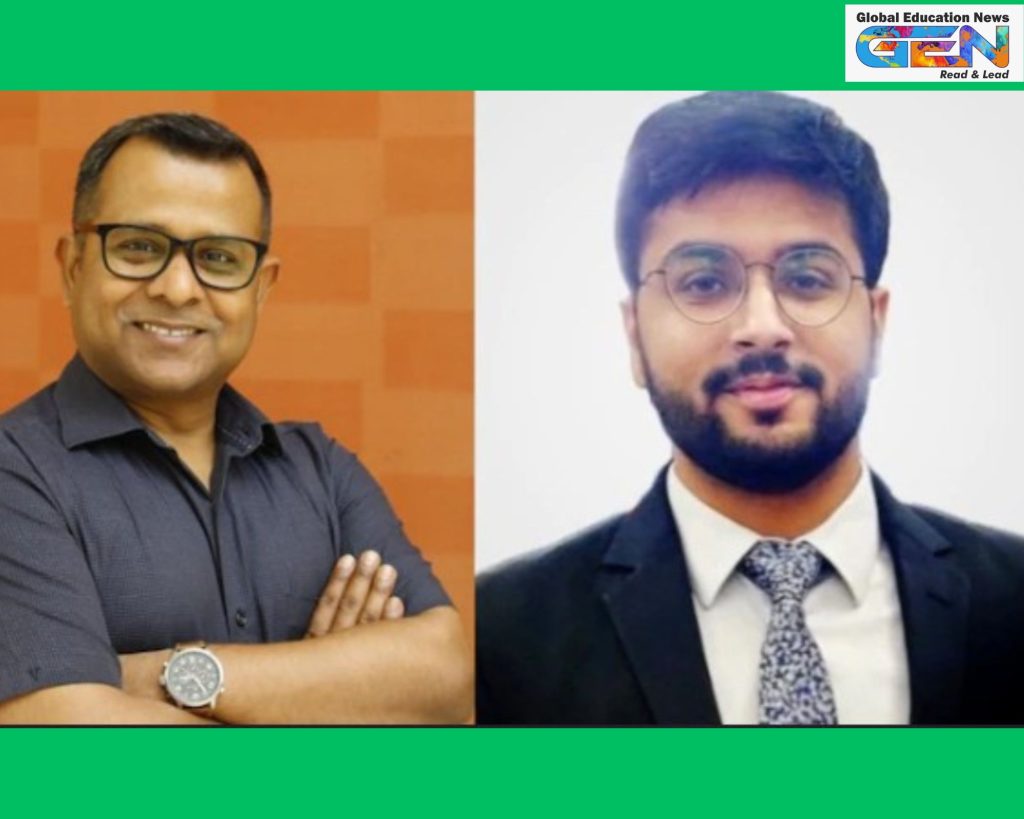
At the heart of India’s 22nd Ig Nobel win are Vikash Kumar, an assistant professor at Shiv Nadar University, and Sarthak Mittal, a researcher now at Newgen Software. Their 2022 study transformed a classic hostel headache—piles of smelly shoes outside dorm rooms—into a smart engineering fix: shoe-racks equipped with UV lamps to zap odor-causing bacteria.
Born from Mittal’s campus observations, the duo blended design, microbiology, and engineering to create a sanitizing system akin to UV water purifiers. Their rack doesn’t just organize; it actively neutralizes microbes, proving that innovation can smell a lot sweeter.
Key Points:
- Inventors: Vikash Kumar (Shiv Nadar University) and Sarthak Mittal (Newgen Software)
- Inspiration: Hostel shoe clutter and persistent odors
- Tech Magic: UV lamps target bacteria, reducing foul smells effectively
- Publication: 2022 study in engineering design
- Category Won: Engineering Design Prize
What Are Ig Nobel Prizes? The Fun Side of Serious Science
Launched in 1991 by the Annals of Improbable Research magazine, the Ig Nobel Prizes parody the Nobels by spotlighting research that’s equal parts hilarious and insightful. Winners get a breakable trophy (often a Zimbabwean trillion-dollar bill—now a wet wipe due to inflation!) and deliver “24/7 lectures” online. Past Indian honorees include Bengaluru neuroscientists for nose-picking studies and an elephant surface-area calculator. With 22 wins for India, the awards underscore the country’s flair for unconventional genius.
Key Highlights:
- Motto: “Make people laugh, then think”
- Ceremony Vibes: Paper planes fly, operas ensue, and Nobelists hand out prizes
- Indian Legacy: 22nd win for Kumar and Mittal, joining quirky hall-of-famers
- Global Reach: Over 30 years of celebrating improbable research
Other 2025 Ig Nobel Stars: From Pizza Lizards to Striped Cows
The 2025 lineup was a feast of the fantastic, blending absurdity with applicability. Here’s a roundup of the offbeat winners that had the crowd roaring:
| Category | Winners & Discovery | Why It Wins (Laugh & Think) |
|---|---|---|
| Nutrition | Daniele Dendi et al. (Italy/Togo) – Rainbow lizards prefer four-cheese pizza toppings | Who knew reptiles had gourmet tastes? Explores animal diet quirks. |
| Biology | Tomoki Kojima et al. (Japan) – Zebra-striped cows get fewer fly bites | Camouflage for cattle? Reduces pest issues sustainably. |
| Psychology | Fritz Renner et al. (Germany) – Alcohol boosts foreign language speaking skills | Tipsy tongues? Aids language learning insights. |
| Pediatrics | Julie Mennella & Gary Beauchamp (USA) – Garlic-scented breastmilk makes babies nurse longer | Flavor influences infant feeding—moms, take note! |
| Physics | Researchers on perfect cacio e pepe pasta sauce | Sauce science: Mastering Italian cuisine physics. |
| Chemistry | Team blending Teflon into food as a zero-calorie filler | Hunger hack? Tackles obesity with slippery innovation. |
| Literature | William B. Bean (USA, posthumous) – 35-year fingernail growth tracking | Nail-biting dedication to personal data. |
| Aviation | Study on booze impairing fruit bats’ flight and echolocation | Drunk flying mammals—aviation gone batty. |
Why Ig Nobels Inspire: Turning “Weird” into Wonderful
These awards remind us that science thrives on curiosity, no matter how odd the question. For Kumar and Mittal, a simple hostel fix became international acclaim, showing how blending disciplines can solve real-world woes. As Marc Abrahams, Ig Nobel founder, puts it: “Every Ig Nobel prize winner has done something that first makes people laugh, and then makes them think.” Their story encourages innovators everywhere: Next time you’re dodging smelly shoes, you might just invent the future.
Key Takeaways:
- Innovation Spark: Everyday irritants like odors can lead to patents and prizes
- Interdisciplinary Power: Microbiology + engineering = odor-free genius
- Global Fun: Ig Nobels unite scientists in celebrating the improbable
- Career Boost: Many winners credit the award for visibility and collaborations
Celebrate the Quirky: Dive into Ig Nobel 2025 Magic!
The Ig Nobel Prizes 2025 prove science is for everyone—witty, weird, and wise. Congrats to Vikash Kumar, Sarthak Mittal, and all the global goofballs turning giggles into gains. Watch the ceremony highlights on the Improbable Research site, and who knows? Your next “aha!” moment might earn you a spot in 2026. After all, in the world of Ig Nobels, the smellier the problem, the brighter the solution!