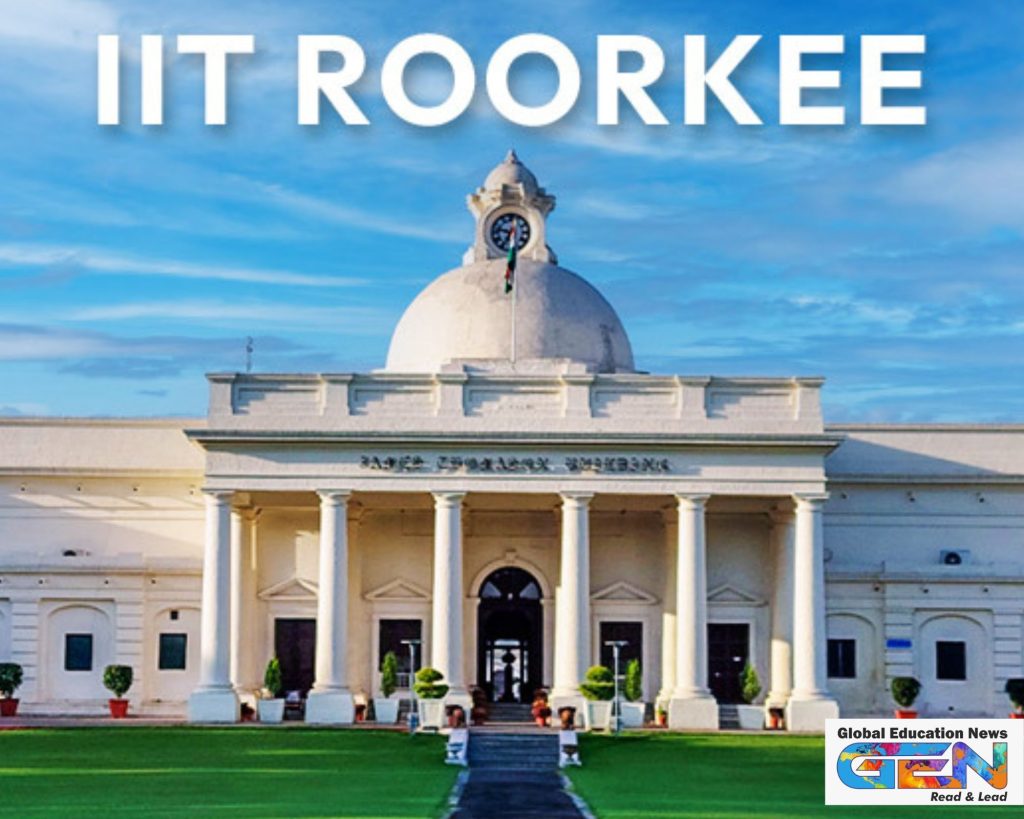
In a bold move reflecting India’s unwavering commitment to national security, IIT Roorkee has terminated its Memorandum of Understanding (MoU) with a Turkish university, joining Jawaharlal Nehru University (JNU) and Jamia Millia Islamia in prioritizing national interest over academic ties with Turkey. This decision, driven by escalating India-Turkey tensions, underscores the growing role of Indian universities in safeguarding the nation’s sovereignty. Here’s an in-depth look at why this is happening and what it means for Indian academia.
Why IIT Roorkee Ended Its Turkish Partnership
Key Points:
- National Security First: IIT Roorkee cited Turkey’s support for Pakistan, including drone supplies during Operation Sindoor, as a primary reason.
- Immediate Suspension: The MoU, fostering research and student exchanges, was canceled with immediate effect.
- Public Sentiment: Widespread anti-Turkey sentiment in India, fueled by Turkey’s criticism of India’s military actions, influenced the decision.
The cancellation stems from concerns over Turkey’s backing of Pakistan, particularly its supply of arms and drones used against India. With public outrage growing—evident in boycotts of Turkish products and tourism—IIT Roorkee’s administration acted swiftly to align with national priorities, suspending all collaborative programs with the Turkish institution.
JNU and Jamia Set the Trend
Key Points:
- JNU’s Precedent: JNU suspended its three-year MoU with Inonu University, citing national security.
- Jamia’s Stand: Jamia Millia Islamia halted all MoUs with Turkish government-affiliated institutions.
- Unified Response: Both universities emphasized solidarity with India’s stance against Turkey’s actions.
IIT Roorkee’s decision follows similar moves by JNU and Jamia Millia Islamia. JNU’s Vice-Chancellor, Santishree Dhulipudi Pandit, questioned the feasibility of ties with a nation supporting terror, while Jamia declared its firm alignment with national interests. These actions reflect a broader academic shift, with institutions like Maulana Azad National Urdu University (MANUU) also canceling MoUs with Turkish entities like the Yunus Emre Institute.
The Context: Strained India-Turkey Relations
Key Points:
- Geopolitical Tensions: Turkey’s support for Pakistan, including condemning India’s strikes on terror camps, has fueled discord.
- Public Backlash: Boycotts of Turkish apples in Pune and Uttar Pradesh, alongside travel bans by companies like EaseMyTrip, highlight public anger.
- Academic Ripple Effect: Other universities, including the University of Delhi, may follow suit in reviewing Turkish collaborations.
The cancellations occur amid deteriorating India-Turkey relations, with Turkey’s actions—such as providing drones that breached Indian airspace—drawing sharp criticism. This has sparked a nationwide push to sever ties, from trade to tourism, with academia emerging as a key player in this narrative.
Implications for Indian Academia
Key Points:
- Balancing Act: Critics, including MANUU students, warn that such moves risk politicizing academia and stifling global dialogue.
- Administrative Resolve: Universities argue that national loyalty outweighs academic partnerships with adversarial nations.
- Future Focus: IIT Roorkee may redirect efforts toward domestic collaborations, like its recent MoU with IIT Bhilai for Indian Knowledge Systems.
While the cancellations prioritize security, they raise concerns about academic freedom. Student groups argue that universities should remain spaces for dialogue, not ideological battles. Yet, administrators remain steadfast, viewing these actions as a necessary stand against nations undermining India’s interests.
What Lies Ahead?
Key Points:
- Strengthening Domestic Ties: Universities may prioritize partnerships with aligned nations and focus on initiatives like Viksit Bharat@2047.
- Policy Influence: Academic institutions are increasingly shaping national security narratives.
- Ongoing Developments: The trend of MoU cancellations may expand, with more universities reevaluating Turkish ties.
As IIT Roorkee and others cut ties with Turkish institutions, the focus is shifting toward building robust domestic academic frameworks and collaborations with friendly nations. This wave of cancellations highlights academia’s evolving role in supporting India’s geopolitical stance, setting the stage for a new era of strategic educational partnerships.