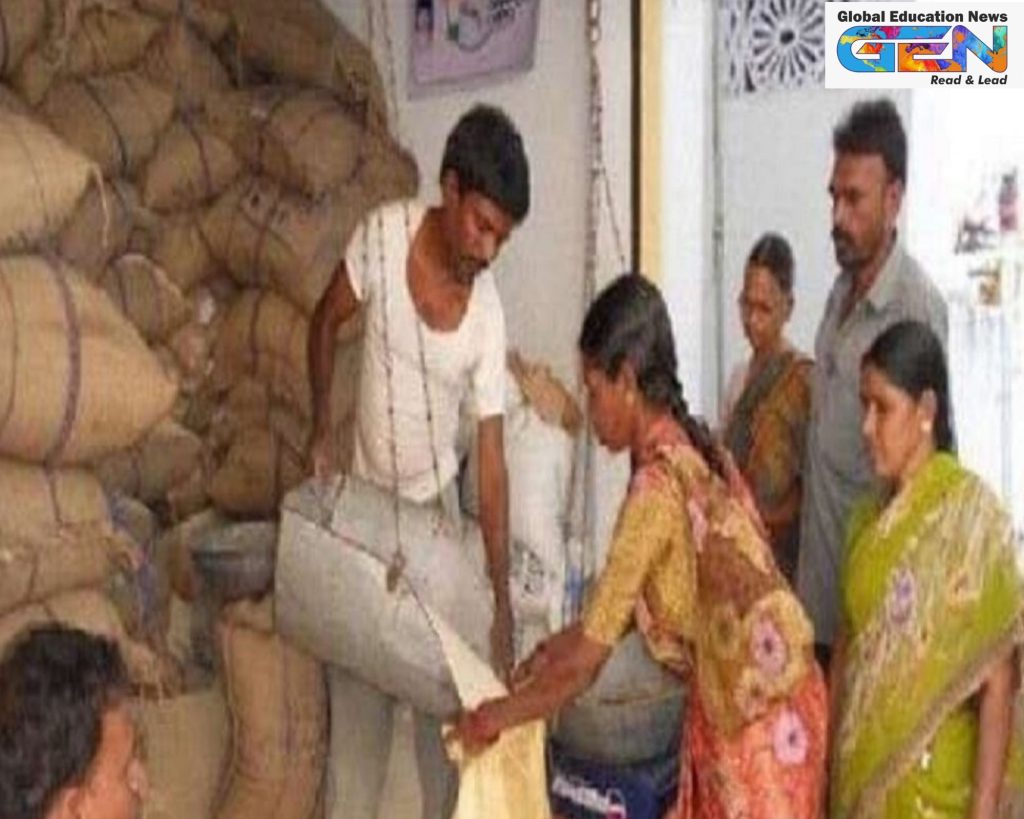
Himachal Pradesh has unlocked with India’s first Aadhaar-based Face Authentication (FaceAuth) system for ration distribution under the Public Distribution System (PDS), launched in July 2025. Spearheaded by the Department of Digital Technologies and Governance (DDTG) and championed by Gokul Butail, Principal Advisor to the Chief Minister, this trailblazing initiative is redefining how millions access essential supplies. Here’s why Himachal’s leap into facial recognition is a game-changer for digital governance and inclusive public services.
A Digital Revolution in Ration Distribution
- Key Points:
- Himachal Pradesh becomes India’s first state to implement FaceAuth for PDS.
- Launched in July 2025, the system uses smartphone cameras for identity verification.
- Replaces OTP and biometric methods plagued by delays and mismatches.
No more waiting for an OTP that never arrives or struggling with worn-out fingerprints. Himachal Pradesh’s FaceAuth system, rolled out in July 2025, uses a mobile app on fair price shop (FPS) owners’ smartphones to scan beneficiaries’ faces, instantly matching them with Aadhaar data. This first-of-its-kind initiative, announced by officials on July 5, 2025, tackles long-standing issues with traditional verification methods, making ration collection as easy as a selfie. It’s a bold step toward a smoother, more reliable PDS, ensuring no one leaves empty-handed due to tech glitches.
Fixing the Flaws of OTP and Biometrics
- Key Points:
- OTP-based verification often failed due to SMS delivery issues in remote areas.
- Biometric mismatches, especially for worn fingerprints, caused delays.
- FaceAuth boosts authentication success rates and cuts verification time.
In Himachal’s hilly terrain, SMS delivery failures were a nightmare for rural beneficiaries, while biometric scans often faltered due to UIDAI system errors or worn fingerprints from manual labor. Gokul Butail highlighted these pain points, noting that failed authentications left people frustrated. FaceAuth changes the game by using AI-powered facial recognition, which is faster, contactless, and more reliable. By slashing verification time and boosting success rates, it ensures rations reach eligible families without the hassle.
DDTG and Gokul Butail: Driving Digital Innovation
- Key Points:
- Department of Digital Technologies and Governance (DDTG) led the initiative.
- Gokul Butail, Principal Advisor to CM, championed the project’s vision.
- Aligns with India’s push for digital public service delivery.
The Department of Digital Technologies and Governance (DDTG) is the brains behind this tech leap, with Gokul Butail steering the ship. Butail emphasized that FaceAuth isn’t just about ration distribution—it’s about “leveraging digital technology for inclusive access to essential services.” This aligns with India’s broader vision of a digitally empowered society, where technology bridges gaps rather than creating them. Himachal’s pioneering move sets a blueprint for other states to follow.
How FaceAuth Works: Simple, Secure, Seamless
- Key Points:
- FPS owners use a mobile app to scan beneficiaries’ faces.
- Face data is matched with Aadhaar records for instant verification.
- No additional documents needed, ensuring accessibility for all.
Here’s how it works: you walk into a fair price shop, the FPS owner opens the FaceAuth app, and your face is scanned using the smartphone’s camera. The app securely matches your face with Aadhaar’s database, confirming your identity in seconds. No Aadhaar card, no OTP, no fingerprints—just a quick scan and you’re good to go. This contactless, user-friendly system is a lifeline for elderly beneficiaries or those in remote areas, making PDS truly inclusive.
A Boost for Efficiency and Transparency
- Key Points:
- Reduces fraud by ensuring only eligible beneficiaries receive rations.
- Complements mandatory Aadhaar e-KYC for ration cards, due by June 2025.
- Supports One Nation One Ration Card (ONORC) for migrant workers.
FaceAuth isn’t just about speed—it’s about trust. By linking directly to Aadhaar, it curbs fraud and ensures rations reach the right hands. This ties into the Union Government’s push for mandatory Aadhaar e-KYC by June 30, 2025, to verify ration cardholders and eliminate duplicates. Himachal’s system also aligns with the One Nation One Ration Card (ONORC) scheme, letting migrant workers access rations anywhere in India with the same ease. It’s a win for transparency and food security.
Why Himachal’s Move Matters
- Key Points:
- Sets a national benchmark for digital governance in PDS.
- Builds on Aadhaar’s growing adoption, with 15.87 crore face authentications in June 2025.
- Inspires other states to adopt tech-driven public service solutions.
Himachal’s FaceAuth launch isn’t just a local win—it’s a national milestone. With UIDAI reporting 15.87 crore face authentication transactions in June 2025 alone, the technology is gaining traction across India. Himachal’s success, lauded on X as a “major digital step,” shows how innovation can transform public services. By solving real-world problems with cutting-edge tech, the state is paving the way for others to follow, proving that digital governance can be both efficient and inclusive.
The Road Ahead: A Model for India
- Key Points:
- FaceAuth to expand across all 5,000+ fair price shops in Himachal.
- Potential to inspire similar systems in banking, healthcare, and welfare.
- Reinforces Himachal’s leadership in digital public service delivery.
With over 5,000 fair price shops in Himachal, the state plans to roll out FaceAuth across its PDS network, ensuring every beneficiary benefits from this tech. Beyond rations, the system’s success could spark its use in banking, healthcare, and other welfare schemes, as seen with Uttar Pradesh’s Face Recognition System for nutrition programs. Himachal’s bold move is a beacon for digital India, showing how technology can make essential services faster, fairer, and more accessible.