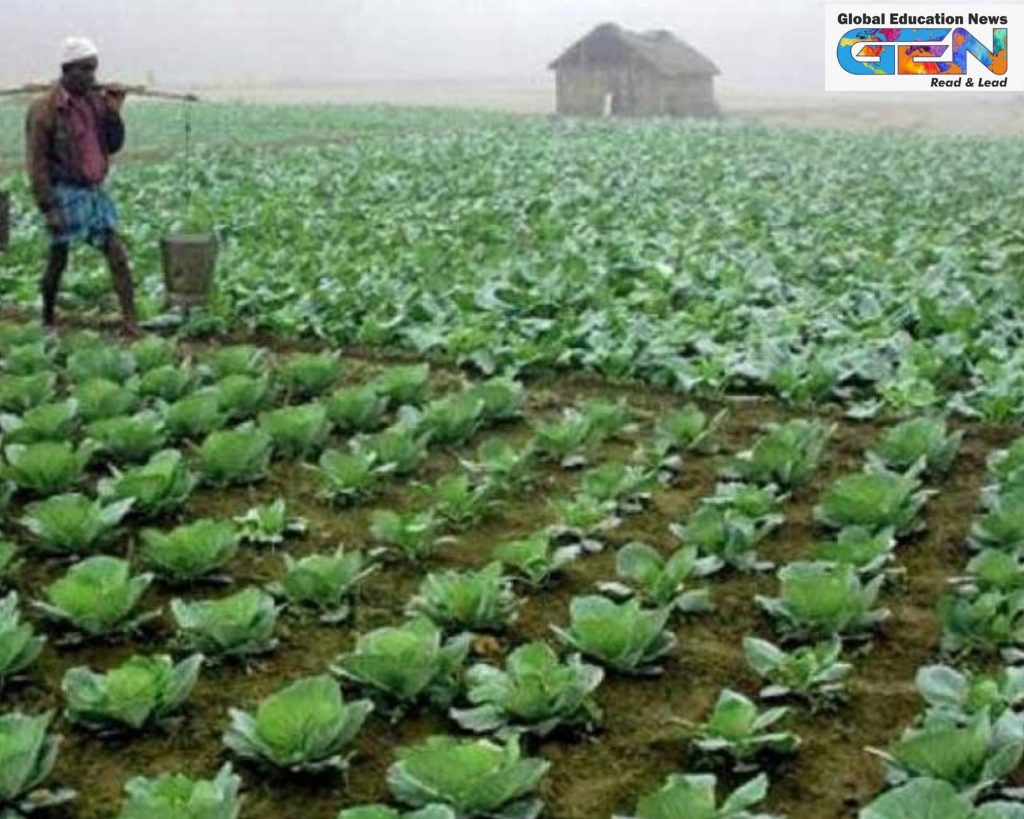
In a transformative move for education in Himachal Pradesh, Education Minister Rohit Thakur announced that horticulture will be introduced as a vocational subject in schools affiliated with the Himachal Pradesh Board of School Education (HPBOSE). This decision, made during a review meeting with senior education officials, aims to equip students with practical skills aligned with the state’s agrarian economy and environmental ethos.
Key Points:
- Horticulture to be a vocational subject in HPBOSE-affiliated schools.
- HPBOSE tasked with designing a curriculum within two weeks.
- Aligns with Himachal’s focus on sustainable and skill-based education.
- Complements the state’s horticultural heritage, a key economic driver.
Revamping Education: Curriculum and Beyond
The review meeting, chaired by Minister Thakur, emphasized revitalizing the education system through strategic initiatives. Alongside horticulture, the minister stressed the importance of reviving subjects like Public Administration in colleges to offer students diverse academic pathways.
Key Points:
- Revival of Public Administration to broaden college-level offerings.
- Focus on creating a curriculum that blends academic and vocational learning.
- Aims to prepare students for both higher education and industry-relevant skills.
- Enhances student choice and career readiness.
Strengthening Infrastructure and Resources
Thakur reviewed the progress of flagship initiatives like Rajiv Gandhi Model Day Boarding Schools and Atal Adarsh Vidyalayas, urging officials to ensure their effective implementation. He also prioritized improving academic infrastructure, including libraries and accreditation processes.
Key Points:
- Push for NAAC assessments to elevate college standards.
- Plans to establish well-equipped libraries for enhanced learning resources.
- Expedited recruitment to fill vacancies in schools and colleges.
- Commitment to addressing SMC teachers’ demands through cabinet discussions.
Addressing Natural Disaster Impacts
Recent natural disasters have caused significant damage to educational institutions, with 510 schools and colleges affected and losses estimated at Rs 30 crore. Thakur emphasized resilience and recovery, proposing creative solutions to engage students and rebuild.
Key Points:
- Rs 30 crore in damages to educational infrastructure reported.
- Proposal for a plantation drive under ‘Ek Ped Maa Ke Naam’ near disaster-hit areas.
- Plans for Bal Melas and science exhibitions to inspire young learners.
- Focus on fostering creativity and curiosity among students under 12.
Advocating for Central Support
During a recent visit to Delhi, Thakur met with Union Education Minister Dharmendra Pradhan to discuss the state’s challenges. He urged the release of Rs 180 crore pending under the Rashtriya Uchchatar Shiksha Abhiyan (RUSA) scheme to aid recovery and development efforts.
Key Points:
- Request for RUSA funds to support educational infrastructure.
- Highlighted disaster-related damages to secure central assistance.
- Strengthens collaboration between state and central governments.
- Aims to bolster resources for educational excellence.
Why This Matters for Students and Communities
The introduction of horticulture as a vocational subject marks a significant step toward aligning education with Himachal Pradesh’s economic and environmental needs. By fostering skills in horticulture, students can explore careers in agriculture, sustainability, and rural development. Coupled with initiatives like teacher recruitment, library enhancements, and disaster recovery efforts, these reforms promise a brighter, more inclusive future for education in the state.
Key Points:
- Prepares students for careers in horticulture and related fields.
- Enhances employability through skill-based education.
- Supports recovery from natural disasters with community-focused initiatives.
- Positions Himachal as a leader in innovative education reforms.