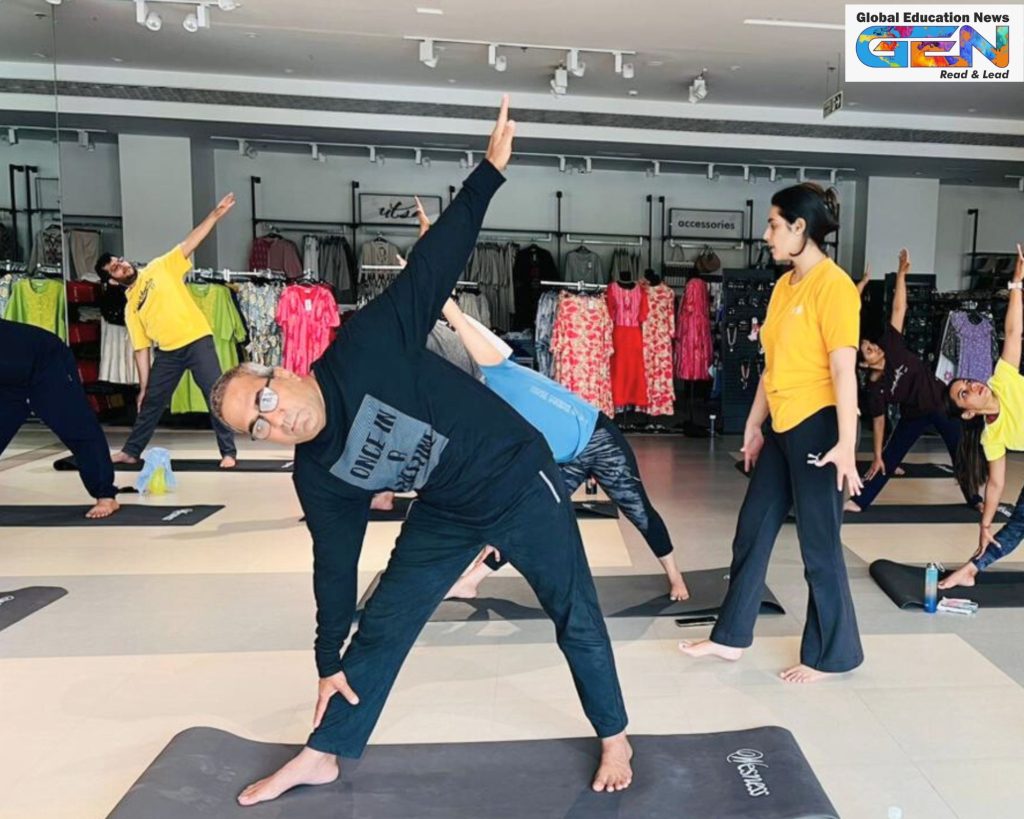
In a proactive stride toward healthier schools and empowered educators, the Gujarat government unveiled a comprehensive training program on November 28, 2025, targeting 33,220 teachers from government primary and secondary schools. Allocated a budget of Rs 5.31 crore, this initiative seeks to bridge the critical gap in physical education by equipping teachers with skills in sports and yoga. By transforming ordinary classrooms into dynamic spaces for physical activity, Gujarat is not only tackling the scarcity of dedicated sports instructors but also fostering a culture of wellness that resonates with the National Education Policy (NEP) 2020’s vision for holistic student development. This analysis breaks down the program’s architecture, execution strategy, anticipated impacts, and broader significance, drawing on policy alignments and emerging educational trends to evaluate its transformative potential.
Background: Addressing the Void in School Physical Education
India’s public education system has long grappled with inadequate physical education infrastructure, where many schools lack specialized trainers, leading to sedentary student lifestyles and rising health concerns like obesity and stress. In Gujarat, this challenge is acute, with thousands of government schools operating without permanent sports staff, resulting in minimal integration of physical activities into daily routines.
- Systemic Gaps: Nationwide surveys highlight that over 60% of primary schools devote less than 30 minutes daily to physical education, contributing to “learning poverty” exacerbated by poor physical and mental health. Gujarat’s program emerges as a direct response, prioritizing teacher upskilling to ensure every school has at least one trained facilitator for Classes 1-8.
- Policy Foundations: Aligned with NEP 2020’s mandate for multidisciplinary learning, which emphasizes equal weight to sports alongside academics, this initiative builds on earlier state efforts like sports kit distributions to 34,000 schools—despite persistent issues like the absence of playgrounds in 8,000 institutions. It also echoes national calls for continuous teacher development, promoting yoga as a tool for emotional stability and discipline.
- Rationale and Scope: With 33,220 participants—spanning urban Ahmedabad to rural blocks—the program targets foundational educators, aiming to cascade knowledge school-wide and instill lifelong healthy habits in over 1.5 million students.
This context positions the announcement as a timely intervention, leveraging Gujarat’s strong yogic heritage through bodies like the State Yog Board to mainstream fitness in education.
Core Elements of the Program: Phased Rollout and Implementation Framework
The initiative adopts a structured, multi-tiered approach to maximize reach and efficacy, commencing with elite master trainers and scaling to grassroots levels. Training sessions are compact yet intensive, scheduled on non-instructional days to minimize disruptions.
- Phase 1: Master Trainer Development: Three teachers per district (totaling 1,991 across Gujarat’s 33 districts) will undergo specialized training from December 9-11, 2025. This cohort will focus on advanced sports techniques and yoga pedagogy, equipping them to lead district-wide sessions.
- Phase 2: Block-Level Cascade Training: From December 16-18, 2025, master trainers will conduct sessions for at least one teacher per school, emphasizing practical modules for Classes 1-8. Each session spans 5 hours daily over three Saturdays, culminating in certification upon completion.
- Logistics and Incentives: Funded at Rs 5.31 crore, the program includes materials, venues, and stipends; certificates serve as professional credits, enhancing teacher portfolios under NEP’s lifelong learning framework. Oversight by the Education Department ensures equitable district coverage, with digital tracking for attendance and feedback.
This efficient, decentralized model—rooted in train-the-trainer principles—mirrors successful NEP-aligned pilots, promising 100% school penetration within weeks.
Immediate Impacts: Boosting Teacher Capacity and Student Engagement
By empowering teachers as wellness ambassadors, the program is poised to inject vitality into Gujarat’s classrooms, where physical education often takes a backseat to academics. Early indicators suggest high enthusiasm, with educators viewing it as a respite from routine burnout.
- Educator Empowerment: Participants gain credentials in yoga and sports, fostering confidence to integrate activities like asanas and team games into lessons—potentially reducing teacher stress by 20-25% through personal practice, as seen in similar interventions. One anticipated outcome: Schools evolving into “fit campuses” with peer-led sessions.
- Student Benefits: Enhanced physical education could reclaim 45-60 minutes weekly per class, promoting motor skills, concentration, and mental health—key to NEP’s goal of reducing dropout rates by addressing holistic needs. Research indicates such programs yield 15% improvements in cognitive performance via better fitness.
- Metrics for Success: Post-training evaluations will track session adoption rates, with initial pilots projecting 80% knowledge retention among trainees.
These shifts promise a ripple effect: From fitter teachers modeling discipline to students embracing active learning.
Broader Implications: Aligning with National Reforms and Health Agendas
Gujarat’s move transcends state borders, serving as a blueprint for NEP 2020’s integration of physical education into core curricula—elevating sports from extracurricular to foundational.
- NEP Synergies: It operationalizes policy pillars like multidisciplinary exposure and vocational skills, where physical activity aids emotional regulation and social bonding—potentially boosting Gujarat’s rankings in national assessments like ASER for well-rounded development.
- Health and Economic Gains: Amid India’s youth obesity crisis (affecting 20% of schoolchildren), this could avert long-term healthcare costs, estimated at 2-3% of GDP, while nurturing a disciplined workforce. It also ties into state events like upcoming yoga championships, amplifying cultural wellness.
- Equity Focus: Prioritizing government schools ensures underserved rural and low-income students benefit, though urban-rural disparities in facilities warrant complementary infrastructure investments.
As a scalable model, it could inspire states like Maharashtra or Rajasthan, accelerating India’s shift toward “healthy schools” under global SDG targets.
Challenges Ahead: Hurdles and Pathways for Sustainability
While groundbreaking, the program’s success hinges on execution amid logistical and cultural barriers, underscoring the need for adaptive strategies.
- Key Obstacles: Limited playground access in 8,000 schools may constrain practical training, while teacher workloads could dilute post-program adoption. Rural connectivity issues might also affect certification tracking.
- Mitigation Strategies: Pair with NEP-recommended infrastructure grants; incorporate hybrid modules for scalability; and establish annual refreshers to sustain momentum, as piloted in teacher development institutes.
- Monitoring Imperative: Quarterly audits by district panels, coupled with student feedback loops, will gauge long-term efficacy—ensuring the Rs 5.31 crore investment yields enduring dividends.
Proactive tweaks could elevate this from a one-off to a perennial pillar of educational reform.