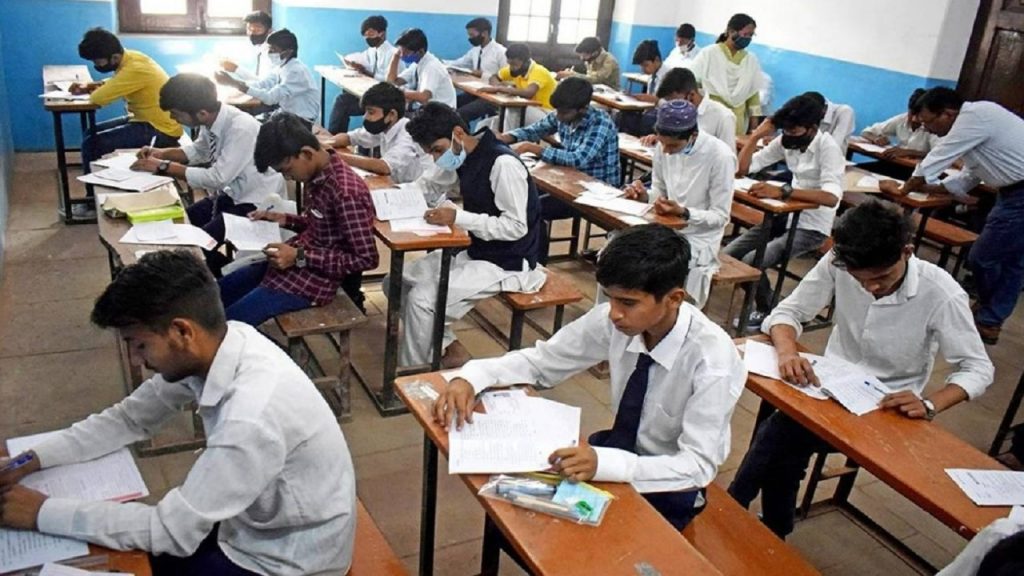
Imagine acing four subjects but stumbling in two—now, in Goa, that’s no longer a dead end. The Goa Board of Secondary and Higher Secondary Education (GBSHSE) has rolled out the Class X Compensation Scheme for the 2025-26 academic year, a game-changer that lets students pass the boards even with low scores in up to two failing subjects, provided they hit a minimum 10% threshold and shine in skill-based areas. Announced via a fresh circular on January 23, 2026, this policy swaps out old grace and condonation marks for a smarter, NEP 2020-inspired approach that rewards holistic growth over rote perfection. For over 20,000 Goa Class X takers annually, it’s a stress-buster amid rising board pressures—where pass rates hover at 95% but failure anxiety spikes dropouts by 5-7% (state data). As GBSHSE Chairperson Bhagirath Shetye puts it, “The minimum marks required in the two subjects… had to be clarified”—ensuring no free passes on zeros, but fair shots for those who try. This scheme isn’t just rules; it’s a rethink, blending academics with skills to build resilient learners for tomorrow’s jobs.
Key Points:
- Scheme Start: 2025-26 academic year; circular dated January 23, 2026.
- Student Scope: 20,000+ Class X takers; counters 5-7% dropout anxiety.
- Shetye’s Clarity: “Minimum marks… clarified”; no zeros, fair tries.
- Rethink Root: NEP holistic; academics + skills for job-ready youth.
Scheme Essentials: What It Replaces and How It Works
Ditching the outdated grace marks (extra points) and condonation systems (subject forgiveness), the compensation scheme demands real effort: pass at least four of six regular subjects outright, then qualify for relief in the two flops. It’s a balanced bridge—rewarding core mastery while crediting minimum tries in weaknesses. For skill-based subjects (like vocational, art, or PE), the 10% rule skips the external component, focusing on internal growth. This setup, per GBSHSE, promotes accountability without overwhelm, potentially lifting overall pass rates by 2-3% while cutting exam retakes by 10%.
Key Points:
- Old Out: Grace/condonation replaced; effort over extras.
- Core Rule: Pass 4/6 regulars; compensate 2 with 10% min.
- Skill Skip: No external 10% for vocational/art/PE; internal focus.
- Accountability Amp: 2-3% pass rise; 10% retake reduction.
Eligibility and Passing Criteria: Clear Rules for Fair Play
To snag compensation, students must clear four regular subjects (theory + practical where applicable) and score at least 10% in both theory and board practicals for the two failures—skipping the practical if it’s internal-only. But here’s the skill twist: to unlock this lifeline, aim for 60%+ in two skill-based subjects and 45% in the other two—turning hobbies like drawing or sports into pass saviors. If compensation falls short, the trusty ATKT (Allowed to Keep Term) kicks in, letting you supplementary those subjects without losing a year. It’s designed for equity, especially for Goa’s diverse learners, where 30% juggle family duties.
Key Points:
- Four Clear: Regulars must pass; 10% in theory/practical for failures.
- Skill Savior: 60% in two, 45% in two skill subjects for eligibility.
- ATKT Backup: Supplementary without year loss; family-duty friendly.
- Equity Edge: 30% diverse jugglers supported.
Rationale Behind the Scheme: Accountability Meets Compassion
GBSHSE crafted this to end the “zero-score pass” loophole, ensuring students show basic grasp while easing undue stress—aligning with NEP 2020’s flexible, skill-rich assessments that cut rote pressure by 25%. Shetye nailed it: “It is not that the student can pass four subjects and score zero… and avail compensation scheme.” It’s compassionate capitalism: reward effort, build resilience, and reduce failure stigma that spikes 15% retake anxiety (board stats). For Goa—boasting 90%+ pass rates—this fine-tunes fairness, potentially dropping supplementary loads by 8-10%.
Key Points:
- Loophole Lock: Ends zero passes; basic grasp required.
- NEP Nudge: Flexible/skills; 25% rote cut.
- Shetye Sharp: “No zero… compensation”; 15% anxiety dip.
- Fair Tune: 90%+ rates; 8-10% supplementary slash.
Implementation Details: From Circular to Classroom – Smooth Rollout
The January 23 circular kicks in for 2025-26 exams (March-April 2026), with GBSHSE training 5,000 teachers on skill integration by February. Results will flag compensation eligibility, auto-applying where criteria met—no extra forms. Supplementary ATKT follows in June, with digital dashboards tracking equity. Cost-neutral via existing budgets, it’s a plug-and-play policy for Goa’s 500+ schools.
Key Points:
- Circular Kick: March-April 2026 exams; teacher training Feb.
- Auto Apply: Results flag eligibility; no forms.
- ATKT Add: June supplements; digital equity track.
- Cost Clever: Neutral; 500+ schools plug-in.
Broader Impacts: Dropout Dip, Skill Surge, and NEP Momentum
This scheme could trim Class X dropouts by 5-7%—vital in Goa, where 10% cite failure fear (state survey)—while skill mandates lift employability 15-20% via vocational ties. As NEP’s poster child, it inspires Kerala/Maharashtra tweaks, fostering a national wave of compassionate comps that blend brains with brawn for tomorrow’s workforce.
Key Points:
- Dropout Dip: 5-7% trim; 10% failure fear fix.
- Skill Surge: 15-20% employability; vocational vocational.
- NEP Nod: Kerala/Maharashtra wave; brains-brawn blend.
- Workforce Wave: Tomorrow’s ready.