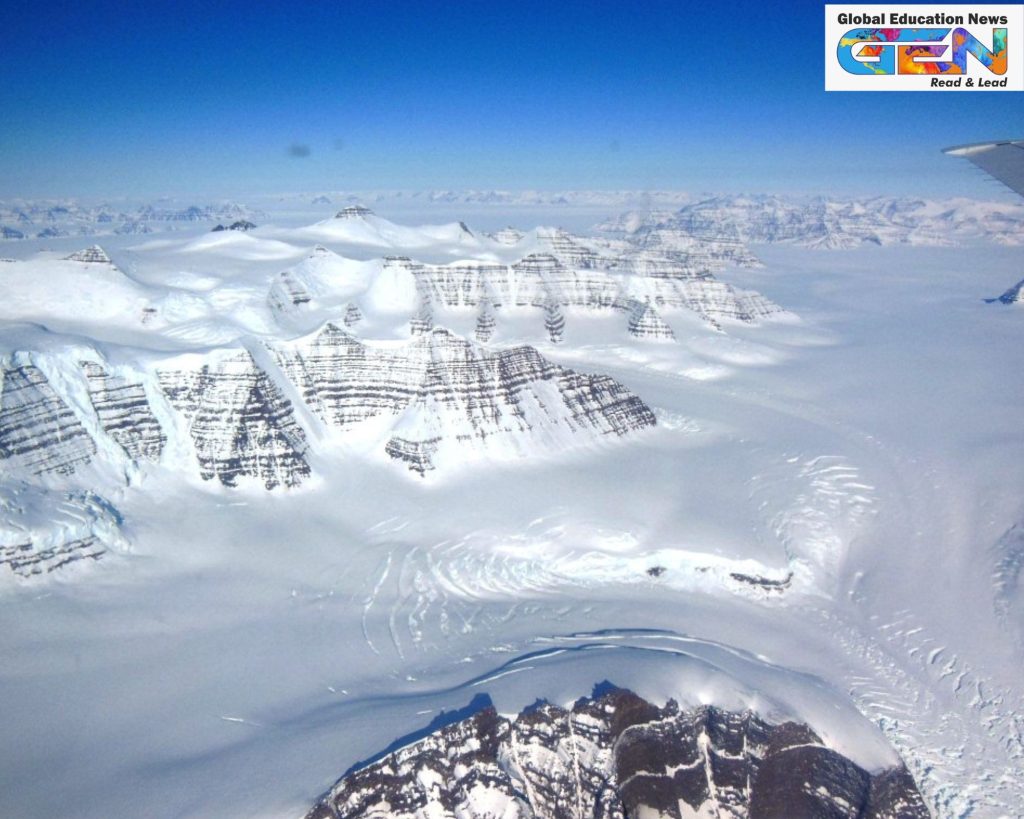
Recent studies paint a grim picture: glaciers worldwide are melting faster than expected, threatening water, food, and livelihoods for billions. The first United Nations Conference on Glaciers’ Preservation in Dushanbe, Tajikistan (May 29–June 1, 2025), brought this crisis to the global stage, urging immediate action. Here’s why the situation is dire:
- Unprecedented Retreat: A study by 21 scientists across 10 countries, published in Science, warns that glaciers could lose 39% of their 2020 ice mass by 2100, even if temperatures stabilize.
- Warming Scenarios: At 2.7°C warming, only 24% of global glacier ice may survive, compared to 54% at 1.5°C, per the Paris Agreement target.
- Global Impact: Glaciers store 70% of the world’s freshwater, making their loss a global catastrophe.
The Tajikistan conference, attended by over 50 nations, called for unified action to save these vital “water towers.”
Hindu Kush Himalaya: Asia’s Water Crisis Looms
The Hindu Kush Himalaya (HKH), often called the “Third Pole,” is a lifeline for over 2 billion people across Asia, feeding rivers like the Ganges, Indus, and Brahmaputra. Rapid glacier melt threatens water and food security. Key insights include:
- Dire Projections: At 2°C warming, HKH glaciers may retain only 25% of their 2020 mass, but limiting warming to 1.5°C could preserve 40-45%.
- Accelerated Melt: HKH glaciers are retreating 65% faster than a decade ago, with up to 75% ice loss possible by 2100 at 2°C.
- Cascading Risks: Increased Glacial Lake Outburst Floods (GLOFs), like the 2023 South Lhonak Lake flood in Sikkim, threaten lives and infrastructure.
The Asian Development Bank’s Vice-President Yingming Yang emphasized, “Melting glaciers threaten lives on an unprecedented scale. Switching to clean energy is the most effective way to slow this crisis.”
Why Every Degree Matters: The Science of Glacier Loss
Glaciers are slow to respond to warming, meaning today’s climate decisions will impact ice loss for centuries. Here’s what the science says:
- Long-Term Melt: Even if temperatures stabilize, glaciers will lose mass rapidly for decades before retreating slowly to higher altitudes.
- Tipping Points: A 2.7°C rise could push regions like the European Alps and Rockies to lose 90% of their ice, while 1.5°C preserves significantly more.
- Visual Indicators: Glaciers are stark climate change indicators, but their current state is “far worse than visible,” per study co-lead Dr. Harry Zekollari.