Reassessing Global Aid: Debates Sparked by Calls to Abolish USAID
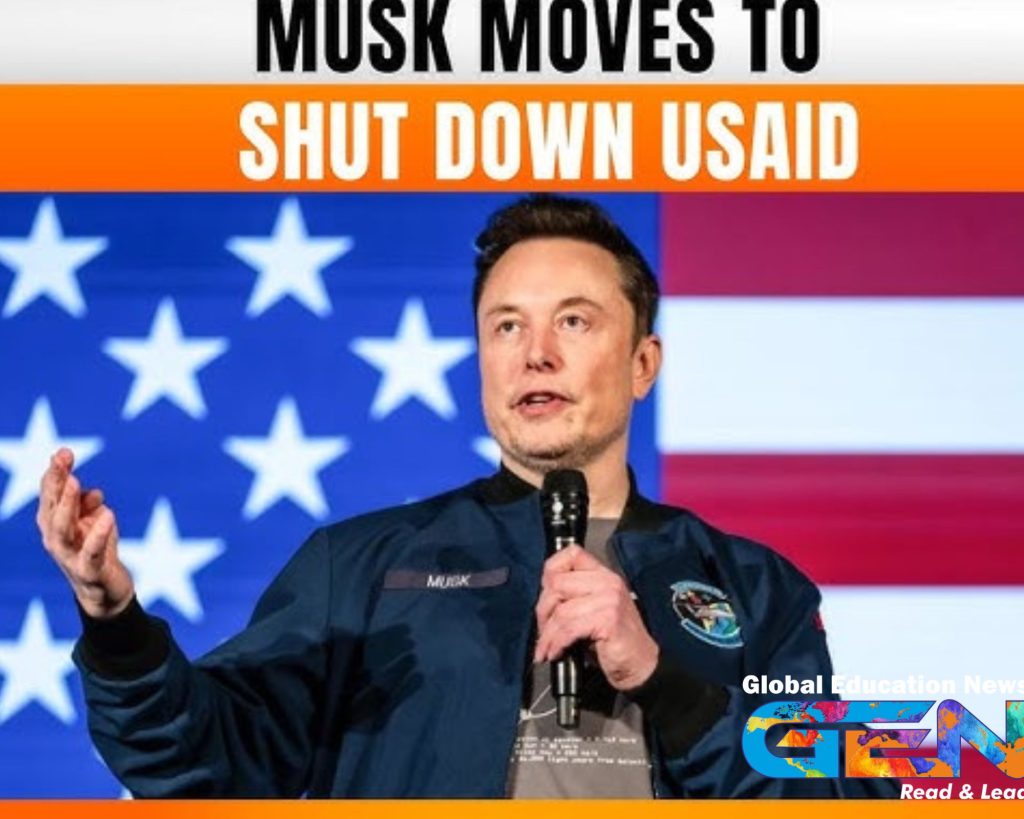
In a development that has stirred intense debate in global current affairs, billionaire Elon Musk has called for the abolition of the United States Agency for International Development (USAID). Musk, who now leads the newly formed Department of Government Efficiency (DOGE), has labelled USAID a “criminal organization” and asserted that the agency should be shut down. This controversial stance comes in the wake of a funding freeze on USAID imposed by President Donald Trump, which resulted in numerous internal contractors being placed on unpaid leave.
A Closer Look at USAID
History and Mission:
- Established in 1961: USAID was created under President John F. Kennedy with the goal of streamlining US assistance efforts around the globe.
- Primary Role: The agency is responsible for administering US foreign aid, focusing on disaster recovery, poverty alleviation, and the promotion of democratic reforms.
- Historical Impact: During the Cold War, USAID played a crucial role in supporting development projects in various nations, thereby advancing US foreign policy objectives.
Funding and Reach:
- Fiscal Year 2023: USAID disbursed approximately $72 billion in global assistance.
- Key Sectors: The funds were allocated for critical health initiatives, clean water access, and energy security.
- Major Recipients: Ukraine received around $14.4 billion, followed by significant allocations to Jordan, Yemen, and Afghanistan.
- Global Influence: USAID accounts for roughly 42% of all humanitarian aid tracked by the United Nations and employs over 10,000 staff members dedicated to international development.
Elon Musk’s Controversial Call
The Announcement:
- Leadership at DOGE: Appointed to lead the Department of Government Efficiency (DOGE), Elon Musk has been vocal about his views on government operations.
- Abolition Proposal: Musk has urged that USAID be abolished, describing it as a criminal organization—a claim that has ignited widespread debate over the future of US foreign aid.
- Context: This call follows a funding freeze imposed by the previous administration, which significantly disrupted USAID’s operations by placing many contractors on unpaid leave.
Implications:
- Operational Impact: The withdrawal of funding and the proposed abolition raise serious questions about USAID’s capacity to continue its work in global humanitarian aid.
- Policy Debate: Critics argue that dismantling such a key institution could weaken the US’s ability to respond to international crises, while supporters contend that reforms are necessary to eliminate operational inefficiencies and misalignments with foreign policy objectives.
Challenges and Global Repercussions
Impact on Global Health and Development:
- Humanitarian Aid: With USAID providing a significant portion of humanitarian aid globally, any reduction or abolition could hamper disaster response, poverty alleviation, and health initiatives in vulnerable regions.
- International Cooperation: The move has the potential to create a leadership vacuum in global aid efforts, affecting collaborations on issues like disease control, clean water access, and sustainable development.
Political and Strategic Considerations:
- US Foreign Policy: The controversy underscores the ongoing tension within US foreign policy debates regarding the balance between domestic priorities and international responsibilities.
- Future of US Aid: As discussions unfold among policymakers and international partners, the future structure and funding of US foreign aid remain uncertain.
Looking Ahead
This latest development in current affairs marks a pivotal moment for USAID and US foreign aid policy. The discussions spurred by Elon Musk’s remarks and the prior funding freeze could lead to significant reforms—or even a reimagining—of how the United States engages in global humanitarian efforts. The international community, as well as domestic stakeholders, will be watching closely as the debate continues to shape the future of aid and development.