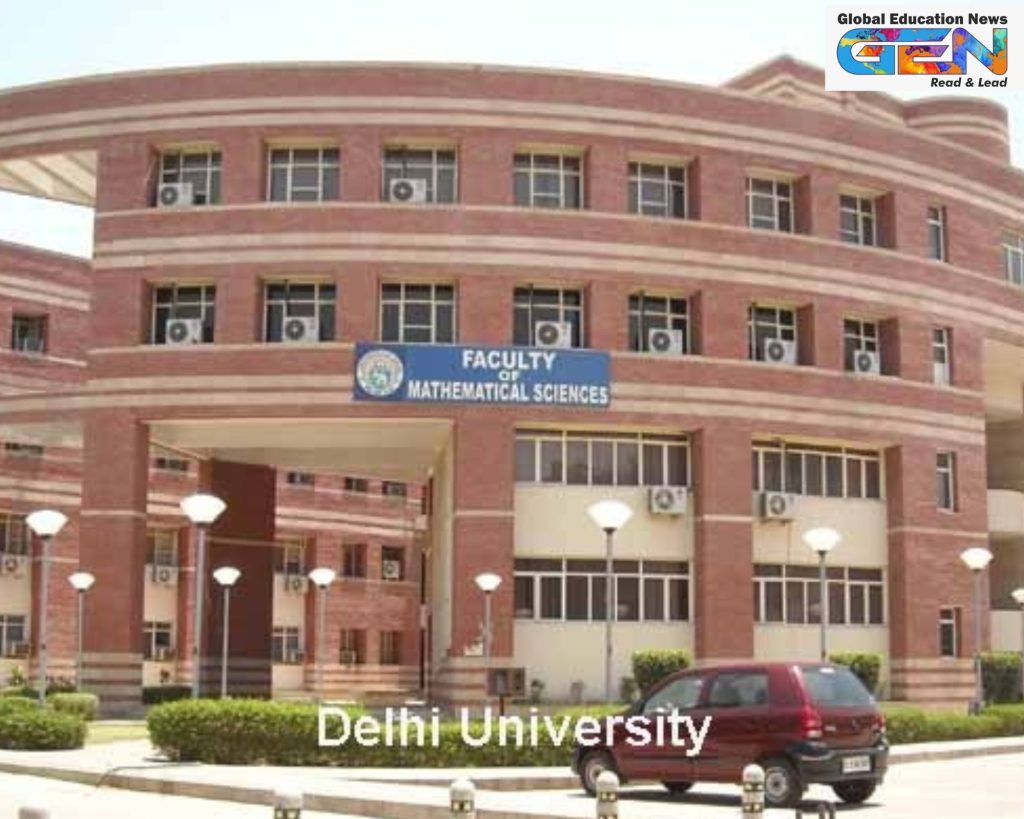
Celebrating Hindi Journalism Day on May 30, 2025, Delhi University’s Standing Committee on Academic Matters announced a groundbreaking MA in Hindi Journalism, set to launch in the 2025-26 academic session. This exciting postgraduate program, housed under the Department of Hindi within the Faculty of Arts, marks a significant step in honoring the legacy of Udant Martand, India’s first Hindi newspaper published in 1826. With journalism as the fourth pillar of democracy, this course promises to shape the future of Hindi media. Let’s explore what this program offers and why it’s a game-changer.
A New Era for Hindi Journalism Education
- Program Launch: MA in Hindi Journalism begins in the 2025-26 session under DU’s Department of Hindi.
- Hindi Journalism Day: Announced on May 30, 2025, celebrating the 1826 publication of Udant Martand.
- Academic Approval: Awaits final nod from DU’s Academic Council for implementation.
Delhi University’s decision to introduce an MA in Hindi Journalism aligns with its Postgraduate Curriculum Framework, ensuring a robust academic structure. The program, unveiled during the Hindi Journalism Day celebrations, underscores the vital role of Hindi media in India’s democratic landscape. While the course awaits final approval from the Academic Council, its launch signals DU’s commitment to nurturing skilled Hindi journalists. An English-medium journalism MA is also planned for 2026-27, expanding opportunities further.
What to Expect from the MA Program
- Curriculum Focus: Covers print, digital, and broadcast journalism with a Hindi-medium approach.
- Skill Development: Emphasizes reporting, editing, media ethics, and contemporary journalism trends.
- Career Prospects: Prepares students for roles in Hindi newsrooms, digital media, and public communication.
The MA in Hindi Journalism is designed to equip students with practical and theoretical skills tailored to the evolving media landscape. From mastering news reporting to understanding digital media dynamics, the program will prepare graduates to excel in Hindi journalism. With India’s Hindi media market booming, this course opens doors to exciting careers in newspapers, TV channels, and online platforms. Stay tuned for detailed syllabus updates on du.ac.in!
Eligibility and Admission Process
- Qualification: Bachelor’s degree in any discipline from a recognized university.
- Entrance Exam: Admissions likely through DU’s entrance test, testing general knowledge and language skills.
- Application: Details to be announced on du.ac.in for 2025-26 admissions.
Aspiring journalists with a bachelor’s degree can apply, making this program accessible to a wide range of students. The admission process is expected to involve an entrance exam, similar to DU’s existing journalism programs, assessing candidates’ general knowledge, current affairs, and Hindi proficiency. Keep an eye on the official DU website for application deadlines and requirements as the 2025-26 session approaches.
Why This Program Matters
- Cultural Significance: Strengthens Hindi as a medium for impactful journalism.
- NEP Alignment: Promotes regional language education, boosting inclusivity.
- Industry Demand: Meets the growing need for skilled Hindi journalists in India’s media hub.
The MA in Hindi Journalism is a nod to India’s linguistic diversity and the growing influence of Hindi media. Aligned with the National Education Policy’s focus on regional languages, this program empowers students to contribute to journalism’s role as a democratic pillar. With Hindi media outlets like Dainik Bhaskar and Aaj Tak leading the industry, graduates will find ample opportunities to shape public discourse.
Challenges and Opportunities Ahead
- Past Controversies: Mandatory Hindi policies have faced criticism from non-Hindi-speaking students.
- Infrastructure Needs: DU must ensure robust facilities, learning from past issues at the Delhi School of Journalism.
- Future Expansion: English-medium MA planned for 2026-27, broadening access.
While the program is a milestone, DU’s history with mandatory Hindi courses has sparked debates, especially among students from non-Hindi-speaking regions. Past protests at the Delhi School of Journalism over infrastructure highlight the need for proper facilities to support this new course. However, with careful planning and Academic Council approval, this program could set a benchmark for journalism education in India.