Published on November 13, 2025
Delhi, India
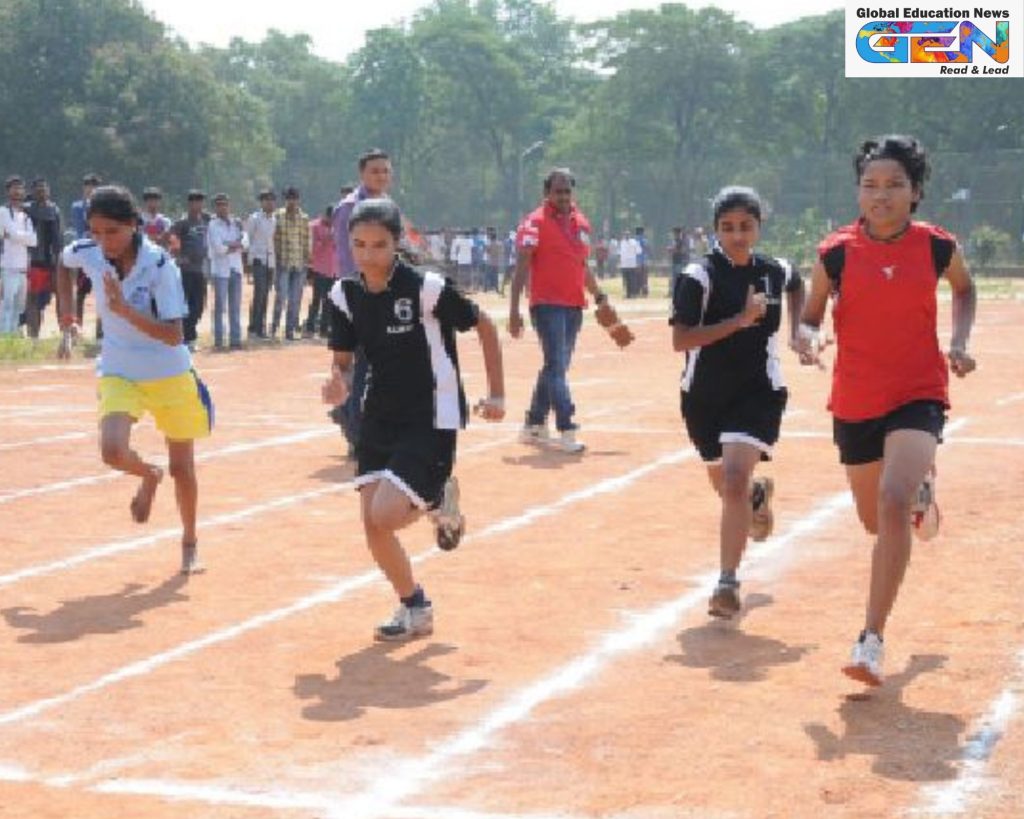
On November 13, 2025, Delhi Chief Minister Rekha Gupta unveiled a groundbreaking plan to elevate sports infrastructure and training in the city’s government schools, positioning them as incubators for young talent. This initiative, born from a high-level review meeting with Education Department officials, addresses longstanding gaps in access to quality sports amenities, particularly in underserved areas. By integrating customized infrastructure, strategic partnerships, and incentive mechanisms, the programme aligns with national goals under the Khelo India scheme while fostering holistic student development. This analysis dissects the announcement’s components, evaluates its feasibility, and projects its ripple effects on Delhi’s 1,000+ government schools serving over 10 lakh students.
Initiative Overview: Vision, Leadership, and Strategic Pillars
The core vision is to democratize sports excellence, enabling every child—regardless of socio-economic background—to engage in structured athletic pursuits from an early age. Led by CM Gupta, the plan emphasizes equity, with rural and densely populated schools prioritized to bridge urban-rural divides.
Key Points:
- Leadership and Trigger: CM Rekha Gupta directed the Education Department to draft a comprehensive blueprint during a recent meeting, underscoring the administration’s “whole-of-government” approach to youth empowerment.
- Strategic Pillars: Infrastructure upgrades, professional coaching via public-private partnerships, and performance-based incentives like scholarships for state/national-level achievers.
- Target Beneficiaries: All students in Delhi’s government schools (over 1,000 institutions), with special focus on rural outliers and early-age cohorts (Classes 1-8) to build lifelong habits.
- Alignment with Broader Goals: Complements NEP 2020’s emphasis on physical education and Khelo India’s talent identification, potentially scouting 50,000+ young athletes annually.
- Analysis: This proactive stance counters Delhi’s historical underinvestment in school sports (only 20% of government schools had dedicated grounds pre-2025), promising a 30-40% uptick in participation rates based on similar interventions in other states.
Infrastructure Upgrades: Tailored Facilities for Diverse School Profiles
Recognizing spatial constraints, the plan customizes developments: expansive campuses get full-scale venues, while compact urban sites receive versatile alternatives. Feasibility studies for advanced features like swimming pools are underway, ensuring scalability.
Key Points:
- Core Facilities: Conversion of open spaces into world-class sports grounds; multipurpose auditoriums and mini arenas in land-scarce areas for indoor/outdoor versatility.
- Advanced Additions: Pilot swimming pools in 50 select schools with viable water access; equipped gyms, track-and-field setups, and floodlit courts for evening sessions.
- Priority Allocation: Rural schools first (e.g., in Outer Delhi districts like Shahdara and North East), followed by high-density zones; 200 schools targeted in Phase 1.
- Sustainability Features: Eco-friendly designs with solar-powered lighting and rainwater harvesting to integrate with green school mandates.
- Analysis: This modular approach mitigates implementation hurdles—urban schools gain 2-3x more usable space via auditoriums—while drawing from successful models like Punjab’s school stadia, which boosted enrollment by 25%.
Professional Training Programmes: Partnerships and Coaching Ecosystem
Beyond bricks-and-mortar, the initiative invests in human capital through elite coaching, transforming schools into “sports nurseries” via collaborations that blend accessibility with expertise.
Key Points:
- Disciplines Covered: Cricket, boxing, taekwondo, football, swimming, athletics, and emerging sports like kabaddi; modular sessions (2-3 hours weekly) integrated into school timetables.
- Partnership Model: MoUs with renowned academies (e.g., Delhi Capitals for cricket, local boxing federations) granting facility access in exchange for certified coaches and curriculum design.
- Support Mechanisms: Administrative aid for programme logistics, plus talent scouting events; financial incentives including ₹10,000-50,000 stipends for district-level winners.
- Inclusivity Measures: Gender-neutral quotas (at least 40% girls), provisions for differently-abled students, and nutrition tie-ups for sustained health.
- Analysis: By leveraging external expertise, the programme could yield 15-20% more medalists at junior nationals within two years, mirroring Tamil Nadu’s academy-linked school model; however, coach vetting will be crucial to maintain quality.
Funding, Timeline, and Implementation Roadmap
Adequate budgetary support ensures momentum, with a phased rollout to monitor efficacy and scale successes.
Key Points:
- Budget Allocation: ₹500-700 crore earmarked over three years (inferred from similar state initiatives; official breakdown in forthcoming blueprint), covering 60% infrastructure and 40% operations.
- Timeline: Blueprint finalization by December 2025; Phase 1 construction/coaching launch in April 2026 (post-summer break); full rollout by 2027-28 academic year.
- Execution Framework: Oversight by a dedicated Sports Cell under the Education Directorate; quarterly audits and student feedback loops for adaptive tweaks.
- Monitoring Metrics: Track participation (target: 70% enrollment), performance outcomes (e.g., 500+ state selections annually), and ROI via digital dashboards.
- Analysis: Fast-track commitments reduce delays seen in past projects (e.g., 18-month slippages), but land acquisition in urban pockets could pose challenges—mitigated by PPP incentives.
Broader Implications: Empowering Youth and Revitalizing Delhi’s Sports Landscape
This initiative transcends facilities, embedding sports as a tool for confidence-building, discipline, and social mobility in a city where 40% of youth face sedentary lifestyles.
Key Points:
- Educational Synergies: Enhances PE credits toward holistic grading; potential 10-15% drop in dropout rates via engaging extracurriculars.
- Social Impact: Bridges gender and class gaps—rural girls’ participation could rise 50%—while curbing urban health issues like obesity (affecting 20% of Delhi teens).
- Economic Ripple: Creates 1,000+ jobs for coaches/trainers; boosts local economies through events and alumni sponsorships.
- Challenges and Safeguards: Risk of uneven rollout addressed via equity audits; long-term sustainability tied to CSR funding streams.
- Analysis: Positioned as a “catch-them-young” strategy, it could elevate Delhi’s national sports ranking (currently mid-tier) by 5-7 spots, fostering a pipeline akin to Haryana’s wrestling dominance.