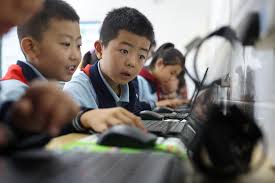
In a bold and strategic move, China has unveiled a nationwide education overhaul centred on artificial intelligence (AI), aiming to transform how students learn and how teachers teach. The initiative reflects the country’s long-term vision to build a future-ready workforce and strengthen its position in global technology leadership.
The plan, introduced by the Ministry of Education along with multiple government bodies, marks a systemic transformation of the education ecosystem, embedding AI across all levels—from primary schools to higher education and beyond.
AI Integration Across All Levels of Education
At the core of the reform is the “AI + Education” strategy, which seeks to make artificial intelligence a fundamental part of learning.
Key highlights include:
- Introduction of AI-focused courses in schools
- Integration of AI into multiple subjects and disciplines
- Expansion of AI learning into extracurricular and practical activities
- Making AI part of basic university curriculum across streams
The goal is to ensure that students are not just users of technology but also creators and innovators in the AI-driven world.
Building a Nationwide AI Learning Infrastructure
China’s education overhaul goes beyond curriculum changes—it focuses heavily on infrastructure.
The government plans to:
- Develop centralised AI platforms and computing systems
- Create unified data-sharing networks for education
- Ensure equal access to AI resources across regions
This approach aims to eliminate disparities and provide high-quality digital education at scale, making AI learning accessible to millions of students.
AI-Powered Classrooms and Smart Teaching
Another key pillar of the reform is the use of AI to enhance classroom experiences.
AI technologies will be used for:
- Automated grading and assessments
- Intelligent tutoring and personalised learning
- Classroom interaction analysis for better teaching methods
- Reducing administrative workload for teachers
These innovations are expected to create smarter, more efficient, and personalised education systems.
Aligning Education with Future Industries
China’s AI education push is closely tied to its economic ambitions. The country is aiming to:
- Address the growing demand for AI-skilled professionals
- Align academic programs with emerging industries and technologies
- Promote interdisciplinary learning combining AI with fields like healthcare, finance, and engineering
Experts highlight that there is a shortage of AI talent globally, and China’s proactive approach could give it a significant competitive edge.
A Long-Term Vision: Education Plan 2035
The overhaul is part of China’s broader education modernisation strategy leading up to 2035, where AI is seen as a key driver of innovation.
The initiative also responds to intensifying global competition, with countries worldwide investing heavily in AI and digital skills development.
By embedding AI deeply into its education system, China is not just reforming classrooms—it is reshaping its future workforce and economic trajectory.
Global Implications of China’s AI Education Push
China’s aggressive adoption of AI in education could have far-reaching global consequences:
- Setting new benchmarks for digital learning models
- Accelerating competition in AI innovation and talent development
- Influencing how other nations redesign their education systems
The move signals a shift where technology and education are no longer separate domains but deeply interconnected ecosystems.