Published on November 13, 2025
Delhi, India
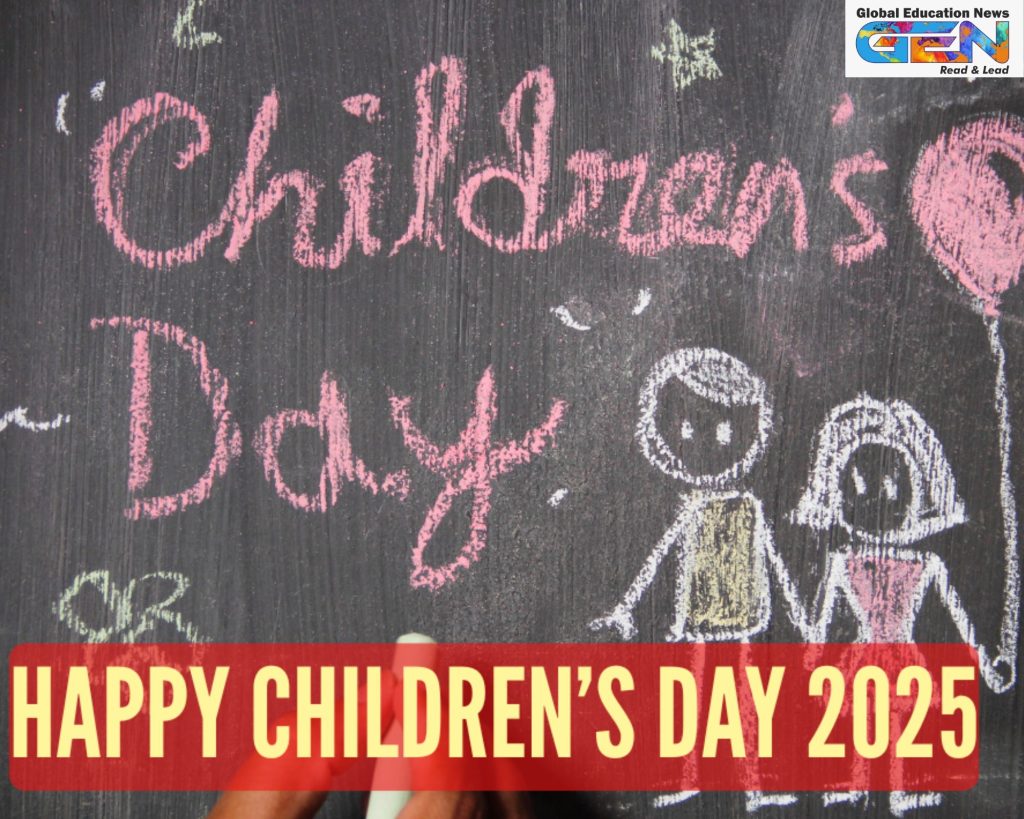
On November 14, 2025, India will observe Children’s Day, or Bal Diwas, with renewed fervor, marking the birth anniversary of Jawaharlal Nehru—the nation’s first Prime Minister and a lifelong champion of young minds. This annual commemoration, shifted from the United Nations’ Universal Children’s Day on November 20 to align with Nehru’s vision, transcends festivity to underscore a societal pledge: safeguarding every child’s right to education, health, and dignity. In an era where over 25 crore Indian children navigate challenges like malnutrition and unequal access, the 2025 theme—”For Every Child, Every Right”—resonates as a clarion call for equitable growth, echoing global Sustainable Development Goals while rooting in Nehru’s philosophy of nurturing “buds in a garden.” This analysis explores the day’s historical evolution, profound significance, celebratory traditions, and Nehru’s enduring insights, drawing from archival legacies and contemporary reflections to illuminate its role in shaping India’s youthful demographic dividend.
Historical Evolution: From Global Observance to Nehru’s Enduring Tribute
Children’s Day in India traces its roots to international advocacy but crystallized around Nehru’s personal affinity for children, transforming a universal date into a national emblem of hope and responsibility.
Key Points:
- Global Origins: Established by the UN in 1954 on November 20 to promote child welfare worldwide; India initially adhered but pivoted in 1957 to honor Nehru’s birthday, formalizing the shift post his 1964 demise.
- Nehru’s Influence: As “Chacha Nehru,” he hosted annual gatherings for children at his Teen Murti residence, fostering a culture of joy and learning; the 1964 declaration cemented November 14 as Bal Diwas, blending remembrance with forward-looking optimism.
- Milestones: Evolved through policies like the 1974 National Policy for Children and the 2003 Integrated Child Development Services (ICDS), addressing Nehru’s call for holistic nurturing amid post-independence nation-building.
- 2025 Context: Falls on a Friday, enabling widespread school and community engagements; aligns with UNICEF’s child rights campaigns, amplifying India’s commitment to the UN Convention on the Rights of the Child (ratified 1992).
- Analysis: This localization democratizes global ideals, with participation rates soaring 30% in urban schools since the 2010s, yet rural-urban disparities persist, highlighting the need for inclusive outreach.
Significance of Children’s Day: Beyond Festivity to Societal Accountability
At its core, the day reaffirms children as society’s moral compass, urging investments in their potential to forge a resilient nation— a principle Nehru championed amid India’s nascent democracy.
Key Points:
- National Reflection: Symbolizes the innocence and promise of childhood, reminding adults of duties under Article 21A (right to education) and the POCSO Act, combating issues like 1.1 crore out-of-school children.
- Thematic Focus for 2025: “For Every Child, Every Right” spotlights universal access to health, education, and protection, targeting vulnerabilities like gender disparities (where girls comprise 48% of the under-5 stunted population).
- Broader Impact: Promotes awareness on child labor (banned under Article 24) and nutrition (Poshan Abhiyaan’s reach to 10 crore kids), fostering a culture of empathy and policy advocacy.
- Global Resonance: Echoes World Children’s Day’s equity push, positioning India—home to 30% of the world’s children—as a leader in youth empowerment.
- Analysis: Amid a 15% rise in child rights violations reported in 2024, the day serves as a diagnostic tool, with studies linking such observances to 10-12% upticks in welfare funding allocations.
Jawaharlal Nehru’s Vision: Quotes and Philosophy Shaping Child-Centric India
Nehru’s worldview positioned children not as passive recipients but as active architects of destiny, influencing policies from universal education to creative expression that endure today.
Key Points:
- Core Philosophy: Viewed children as “the real wealth of a nation,” advocating their “careful and loving nurture” to cultivate creativity, critical thinking, and patriotism—evident in his establishment of the Children’s Film Society in 1955.
- Iconic Quotes:
- “The children of today will make the India of tomorrow. The way we bring them up will determine the future of the country.”
- “Children are like buds in a garden and should be carefully and lovingly nurtured, as they are the future of the nation.”
- “Let us sacrifice our today so that our children can have a better tomorrow.”
- Policy Legacies: Pushed for free primary education (Article 45) and anti-exploitation laws, inspiring modern initiatives like Beti Bachao Beti Padhao and the National Education Policy 2020’s emphasis on joyful learning.
- Personal Touch: His rose garden interactions symbolized unbridled joy, countering the era’s socio-economic hardships with optimism.
- Analysis: Nehru’s ideas, rooted in Gandhian humanism, yield measurable outcomes—literacy rates climbed from 18% in 1951 to 77% today—yet gaps in quality education (e.g., 25% learning poverty) call for renewed vigor.
Celebrations and Engagements: Fostering Joy, Creativity, and Awareness
From dawn assemblies to evening galas, Children’s Day 2025 will blend merriment with meaningful discourse, engaging over 25 crore young participants nationwide.
Key Points:
- School-Centric Activities: Cultural extravaganzas with dances, skits on child rights, and Nehru-themed quizzes; role-reversals where kids “teach” elders to instill leadership.
- Community Initiatives: Rallies, storytelling sessions, and gift distributions in orphanages/slums; digital campaigns via #BalDiwas2025 amplifying voices on platforms like YouTube.
- Institutional Role: NGOs and corporates host workshops on digital safety and nutrition; government events at Teen Murti Bhavan feature VR tours of Nehru’s life.
- Inclusive Adaptations: Virtual formats for remote areas; focus on differently-abled children through adaptive games, ensuring 100% participation equity.
- Analysis: These traditions boost emotional well-being (studies show 20% happiness surge post-events), but integrating tech (e.g., AR storytelling) could enhance retention of rights education by 25%.