In a significant step to address long-standing concerns over examination integrity, the Centre has terminated the services of 47 officials of the National Testing Agency and cleared amendments to strengthen the country’s anti-paper leak legislation. The decisions come against the backdrop of sustained student protests and repeated controversies surrounding high-stakes national examinations.
The moves form part of a broader effort to overhaul the examination system and restore confidence among aspirants and their families.
Sweeping Action Against NTA Officials
As part of internal reforms, the National Testing Agency has ended the services of 47 officials. Sources indicate that legal and criminal proceedings will be initiated against some of them. The action is described as the beginning of a larger restructuring of the agency, which has faced criticism over alleged lapses in conducting major tests such as NEET, JEE and CUET.
Further reformative measures are expected in the coming weeks. These include changes to outsourcing practices, stronger internal accountability mechanisms, and steps aimed at creating a more secure process for setting and distributing question papers.
Cabinet Clears Amendments to Anti-Paper Leak Law
On Friday, the Union Cabinet approved amendments to the Public Examinations (Prevention of Unfair Means) Act, 2024. The original law, brought into force in June 2024 after a series of exam-related scandals, is now being given sharper enforcement tools.
Key changes include:
- Raising the prison term for those involved in organised examination fraud from the earlier range of three to five years to five to ten years.
- Increasing the maximum financial penalty for organised rackets to ₹10 crore.
- Providing statutory backing for dedicated fast-track courts that must complete investigations, trials and judgments within three months.
Several states have already begun notifying such specialised courts. The amendments also seek to address the long delays that have historically characterised paper-leak cases.
Context of Student Protests and Political Response
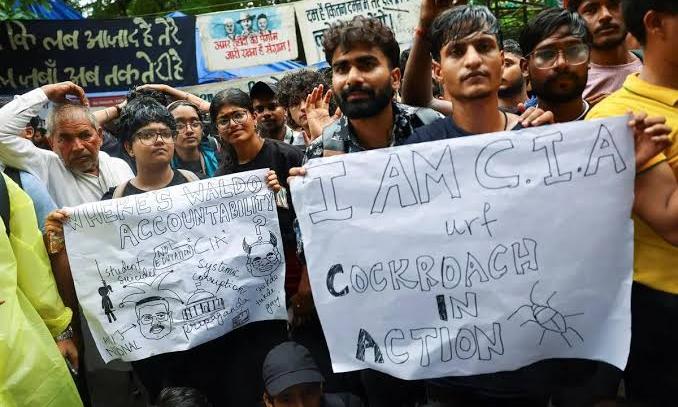
The decisions follow intense protests by student groups, including demonstrations at Jantar Mantar in Delhi. The protests gained momentum after irregularities were alleged in the NEET-UG examination process, leading to widespread frustration among medical aspirants and their families.
In a late-night video address, the Prime Minister acknowledged the distress caused by paper leaks and stated that the government would take stricter measures. He directed departments to prepare a framework featuring fast-track courts and stronger punishments, which was subsequently placed before the Cabinet.
Historical Challenges and Low Conviction Rates
India has witnessed a large number of examination paper leaks over the past decade. Data from various analyses show dozens of major incidents across central and state-level tests. Despite frequent arrests, conviction rates have remained extremely low. Over the last two decades, only a small number of significant cases have resulted in convictions, with most remaining stuck in prolonged legal proceedings.
The 2024 anti-cheating law itself had recorded no convictions until the recent push for amendments. Critics have long pointed to weak deterrence, logistical vulnerabilities in large-scale pen-and-paper examinations, and the involvement of organised networks as factors that have allowed the problem to persist.
Scope of the Law and Next Steps
The Public Examinations (Prevention of Unfair Means) Act covers major central examining bodies, including the Union Public Service Commission, Staff Selection Commission, National Testing Agency, Railway Recruitment Board, Institute of Banking Personnel Selection, and various departmental recruitment boards.
It prohibits the premature disclosure of confidential exam material, unauthorised access to question papers or response sheets, assistance to candidates during tests, tampering with computer systems, creation of fake websites, and disruption of examination centres.
While the latest actions signal a firm official response, their effectiveness will depend on consistent implementation, timely trials, and visible improvements in the security of the examination process. For millions of students who invest years of preparation in competitive tests, the integrity of the system remains a fundamental concern.
The coming months will show whether the combination of personnel accountability, legislative strengthening and procedural reforms can deliver the reliable and fair examination environment that aspirants have long demanded.