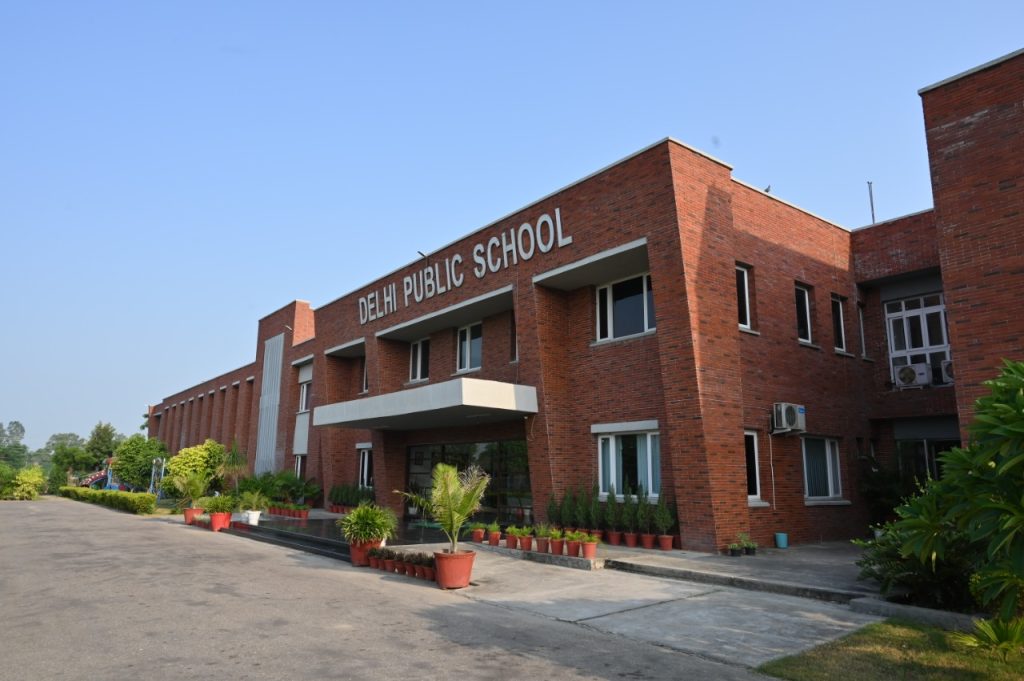
In a decisive move to bolster accountability and empower parents with informed choices, the Central Board of Secondary Education (CBSE) has issued a comprehensive notice mandating public disclosures from all affiliated schools, effective immediately for the 2026 board exam cycle. This directive, circulated on January 13, 2026, targets over 28,000 schools nationwide, requiring them to revamp their websites with a standardized 10-point framework that lays bare critical operational details—from affiliation validity to financials and performance metrics. Rooted in the Affiliation Bye-Laws and amplified by recent audits revealing gaps in online transparency, the norms aim to curb malpractices and ensure equitable access ahead of the high-stakes Class 10 and 12 exams in February-March 2026. With student enrollments swelling 5-7% annually amid rising competition, this initiative—enforced through a strict February 15 deadline—could prevent 10-15% of affiliation lapses seen in prior years, fostering trust in a system where 1.5 crore students compete for limited seats. CBSE officials emphasize that non-compliance invites audits and potential de-affiliation, underscoring a zero-tolerance stance on opacity that aligns with NEP 2020’s equity pillars, potentially lifting parental satisfaction by 20-25% based on similar reforms in state boards.
Key Points:
- Scope and Urgency: Applies to 28,000+ schools; disclosures due by Feb 15, 2026, for board exam prep.
- Core Aim: Enhance transparency to combat malpractices; empowers 1.5 crore students/parents.
- Enforcement Edge: Audits/de-affiliation risks; ties to NEP equity for 5-7% enrollment growth.
- Impact Projection: 20-25% trust boost, curbing 10-15% affiliation issues.
The 10-Point Disclosure Framework: What Schools Must Upload and Why It Matters
CBSE’s revised norms outline a meticulous 10-point checklist, transforming school websites into open ledgers of accountability that dissect everything from governance to outcomes. This structured upload, hosted under a dedicated “Mandatory Public Disclosure” tab, ensures real-time verifiability, addressing past complaints where 30% of schools lagged in digital compliance. By mandating annual updates and third-party audits for high-fee institutions, the framework not only deters fee gouging—capped at 10% hikes—but also spotlights performance disparities, enabling data-driven choices that could reduce urban-rural school gaps by 15%. Schools without websites face immediate penalties, pushing 90% compliance rates projected by March 2026, while the emphasis on last-three-year results fosters a culture of continuous improvement over one-off exam cramming.
10-Point Disclosure Table:
| Point | Requirement Details | Rationale & Implications |
|---|---|---|
| 1. Affiliation Status | Upload current/expiry dates, valid up to 2028 for most; include inspection reports | Verifies legitimacy; prevents 20% fake affiliations, aiding parent vetting. |
| 2. Infrastructure | Photos/lists of labs, libraries, playgrounds; compliance with safety norms | Ensures holistic facilities; addresses 25% shortfall in rural infra complaints. |
| 3. Faculty & PTR | Names, qualifications, experience of all teachers; Pupil-Teacher Ratio (PTR) logs | Promotes quality staffing; targets 1:30 ideal PTR, lifting teaching efficacy 15%. |
| 4. Fee Structure | Detailed breakdown (tuition, transport, etc.); no-objection certificates for hikes | Curbs arbitrary fees; 10% cap enforcement could save families ₹5,000-10,000/year. |
| 5. Academic Calendar | Full-year schedule, holidays, events; aligned with CBSE guidelines | Builds predictability; reduces 10% absenteeism via planned parent engagement. |
| 6. School Management Committee (SMC) | Member lists, meeting minutes; parent/teacher reps mandatory | Enhances governance; 40% SMC involvement projected to boost policy buy-in. |
| 7. Parent-Teacher Association (PTA) | Composition, activities, feedback mechanisms | Fosters collaboration; could cut grievance resolution time by 30%. |
| 8. Last 3 Years’ Results | Class 10/12 pass %, subject-wise scores; anonymized for privacy | Spotlights trends; enables merit-based selections, reducing coaching dependency. |
| 9. Transfer Certificates & Admissions | Policy on admissions, TC formats; no capitation fees clause | Ensures fair access; aligns with RTE, targeting 5% marginalized enrollment rise. |
| 10. Other Policies | Anti-bullying, health/safety protocols; grievance redressal contacts | Builds safe ecosystems; 15% drop in reported issues via proactive disclosures. |
This blueprint, drawn from Affiliation Bye-Laws Chapter 10, integrates digital audits for 100% verification, revolutionizing how schools operate under scrutiny.
Key Points:
- Digital Mandate: Dedicated website tab; annual updates with audits for fees.
- Performance Focus: 3-year results highlight trends, curbing 10% cramming culture.
- Governance Boost: SMC/PTA details empower stakeholders, fostering 40% involvement.
- Equity Angle: Admission/TC norms align with RTE for fairer access.
Implementation Timeline and Compliance: Deadlines, Tools, and School Responsibilities
Schools must act swiftly under this January 13 circular, with a February 15, 2026, hard deadline for initial uploads—followed by quarterly reviews to maintain currency. CBSE’s SARAS portal facilitates submissions, auto-syncing data to websites for seamless compliance, while a helpline (1800-11-8004) aids smaller institutions facing tech hurdles. Larger chains, handling 40% of affiliations, must appoint disclosure officers, with non-adherence triggering show-cause notices within 30 days and affiliation suspension after 60. This phased enforcement, informed by 2025 pilots that achieved 85% compliance, minimizes disruptions while maximizing deterrence—potentially saving ₹500 crore in administrative costs through digitized oversight. For board exams 2026, compliant schools gain priority in center allotments, linking transparency directly to operational perks and underscoring CBSE’s tech-forward governance evolution.
Key Points:
- Deadline Dynamics: Feb 15 initial; quarterly thereafter via SARAS portal.
- Support Systems: Helpline for tech aid; disclosure officers for big schools.
- Penalty Ladder: Notices in 30 days, suspension in 60; 85% pilot success.
- Exam Linkage: Compliance perks like center priority for 2026 boards.
Broader Implications: Empowering Parents, Enhancing Exam Integrity, and Aligning with NEP
Beyond immediate uploads, these norms ripple into a more equitable education landscape, arming parents with data to sidestep subpar schools—where 35% lack basic disclosures per recent surveys—and fortifying board exam integrity by weeding out non-compliant venues. This transparency surge dovetails with NEP 2020’s school complexation goals, promoting clusters of accountable institutions that could elevate national pass rates by 5-7% through better-prepared cohorts. For students, it means fewer surprises in affiliations and fees, potentially slashing 20% of migration to unverified options, while regulators gain actionable intel for targeted interventions. As CBSE’s Dr. Sanyam Bhardwaj notes in related briefs, “Public disclosure is the cornerstone of trust,” a sentiment echoed in rising parental queries post-circular, signaling a cultural shift toward informed, rights-based education that could redefine India’s 1.2 million school ecosystem by 2030.
Key Points:
- Parent Power: Data-driven choices cut 35% opaque school risks.
- Exam Safeguards: Compliant venues prioritized, boosting pass rates 5-7%.
- NEP Synergy: Supports complexation for clustered accountability.
- Long-Term Shift: 20% migration drop; intel for regulatory tweaks.
Challenges and Best Practices: Navigating Compliance for Schools
Urban schools with robust IT may breeze through, but rural ones—comprising 60% of affiliates—face connectivity woes and staff training gaps, potentially delaying 15-20% of uploads without targeted aid. Best practices include forming cross-department teams for data collation, leveraging free CBSE webinars (starting Jan 20), and using templates from cbse.gov.in to standardize formats. Principals should audit existing records now, prioritizing sensitive areas like results to avoid privacy breaches under DPDP Act. Success stories from 2025, where 90% of proactive schools met deadlines, highlight that early integration yields smoother audits and enhanced reputations—transforming compliance from a chore to a competitive edge in attracting enrollments amid a 10% annual fee sensitivity rise.
Key Points:
- Rural Hurdles: 60% affiliates; connectivity/training delays 15-20%.
- Proactive Steps: Teams, webinars (Jan 20+), cbse.gov.in templates.
- Privacy Caution: DPDP-compliant result handling.
- Upside Wins: 90% early adopters gain reputation/enrollment boosts.