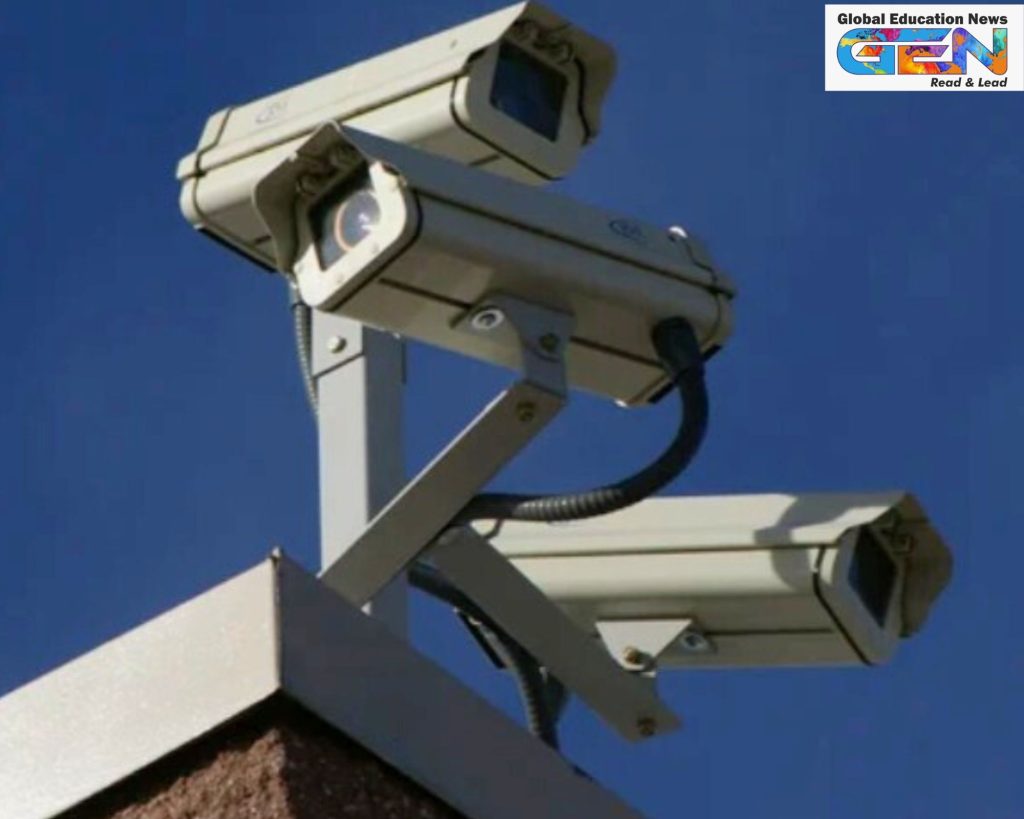
The Central Board of Secondary Education (CBSE) has rolled out a new mandate on July 21, 2025, requiring all 30,000+ affiliated schools to install high-resolution CCTV cameras with audio-visual capabilities. This update to the Affiliation Bye-Laws 2018 aims to create a secure, supportive environment for students, tackling issues like bullying, abuse, and safety threats. Announced by CBSE Secretary Himanshu Gupta, this directive aligns with the National Commission for Protection of Child Rights (NCPCR) guidelines to ensure a “safe and cohesive ecosystem” for kids. Ready to dive into the details? Here’s everything you need to know about this transformative step
- Why It Matters: Enhances physical and emotional safety for students across India.
- Key Goal: Create a vigilant, tech-driven environment to prevent incidents.
- Who’s Affected: All CBSE-affiliated schools, from urban hubs to rural campuses.
Where and How: CCTV Coverage Across School Campuses
CBSE’s new clause under Chapter 4 (Physical Infrastructure) of the Affiliation Bye-Laws mandates comprehensive surveillance in key school areas, excluding toilets and washrooms for privacy. Here’s where the cameras will keep watch:
- Entry & Exit Points: Secure gateways to monitor visitors and students.
- Classrooms & Labs: Real-time oversight to curb bullying and ensure discipline.
- Corridors & Staircases: Track movement to prevent accidents or misconduct.
- Libraries & Canteens: Ensure safety in high-traffic common areas.
- Playgrounds & Store Rooms: Cover outdoor and utility spaces for complete vigilance.
Tech Specs:
- Cameras must support real-time audio-visual recording.
- Footage must be stored for a minimum of 15 days, with backups accessible to authorities.
- Schools are responsible for continuous maintenance and functionality.
Pro Tip: Schools must ensure a reliable power backup (e.g., generators or inverters) to keep cameras running during outages.
- Exclusions: Toilets and washrooms are exempt to respect privacy.
- Compliance Check: CBSE will collect data on installations within a month.
Why Now? The Push for Enhanced School Safety
The mandate comes in response to rising concerns about student safety, including bullying, emotional distress, and physical incidents like those reported in Gujarat, Odisha, and Kerala. A 2024 NCPCR survey revealed that 90% of Indian schools lacked adequate safety measures, prompting CBSE to act swiftly. The board emphasizes that children have a constitutional right to a safe, dignified learning environment, free from external threats and internal issues like bullying, which can lead to low self-esteem and chronic stress.
- Emotional Safety Focus: Cameras help detect subtle issues like bullying, often missed by staff.
- Proactive Monitoring: Real-time audio-visual feeds enable quick response to incidents.
- NCPCR Alignment: Builds on Clause 1(X) of NCPCR’s safety manual for regular CCTV maintenance.
What Schools Need to Do: Compliance and Challenges
CBSE has directed schools to implement this mandate “in letter and spirit” to maintain their affiliation. However, the move has sparked mixed reactions:
- Support from Stakeholders: Principals like Ankur Singhal (Ghaziabad) and Asha Prabhakar (Noida) praise the initiative for enhancing safety and aiding investigations. Parents also welcome the added transparency.
- Challenges Ahead: Rural and under-resourced schools may struggle with the cost of high-tech cameras and maintenance. Some administrators, as seen in Maharashtra’s 2024 protests, call it a “financial burden” and question its feasibility.
- CBSE’s Expectation: Full compliance within a month, with data collection to follow.
Did You Know? The Delhi government’s 2023 SOP for live-streaming CCTV footage via the DGS Live app faced hurdles due to privacy concerns and teacher opposition, highlighting the need for balanced implementation.
- School Responsibility: Ensure cameras are functional and footage is securely stored.
- Community Role: Teachers, staff, students, and visitors must support a safe environment.
Benefits of the CCTV Mandate: A Safer Future for Students
This high-tech upgrade isn’t just about surveillance—it’s about creating a nurturing space for students to thrive. Here’s how it helps:
- Prevents Bullying: Audio-visual monitoring catches subtle behaviors that harm emotional well-being.
- Deters Misconduct: Real-time oversight discourages malpractices in classrooms and common areas.
- Aids Investigations: 15-day footage retention ensures evidence for any incidents.
- Boosts Accountability: Encourages staff and students to maintain a secure ecosystem.
Fun Fact: CBSE’s move echoes global trends, with schools in the US and UK increasingly adopting CCTV to address safety concerns, though audio recording remains a unique feature here.
Tips for Schools and Parents
For schools navigating this mandate and parents eager to understand its impact, here’s how to stay ahead:
- For Schools:
- Budget for high-resolution cameras and storage systems.
- Train staff on maintenance and data privacy protocols.
- Engage with local authorities for compliance checks.
- For Parents:
- Discuss the mandate with school management for transparency.
- Educate kids on the importance of a safe school environment.
- Monitor updates on cbse.gov.in for further guidelines.
Your Role in a Safer School Ecosystem
CBSE’s CCTV mandate is a game-changer for student safety, blending technology with vigilance to protect over 30,000 schools’ worth of young minds. From preventing bullying to ensuring swift action on incidents, this step promises a brighter, safer future. Schools must act fast to comply, and parents can rest easier knowing their kids are under a watchful eye. Visit cbse.gov.in for the full notification and join the movement for a secure learning environment