September 16, 2025
Delhi, India
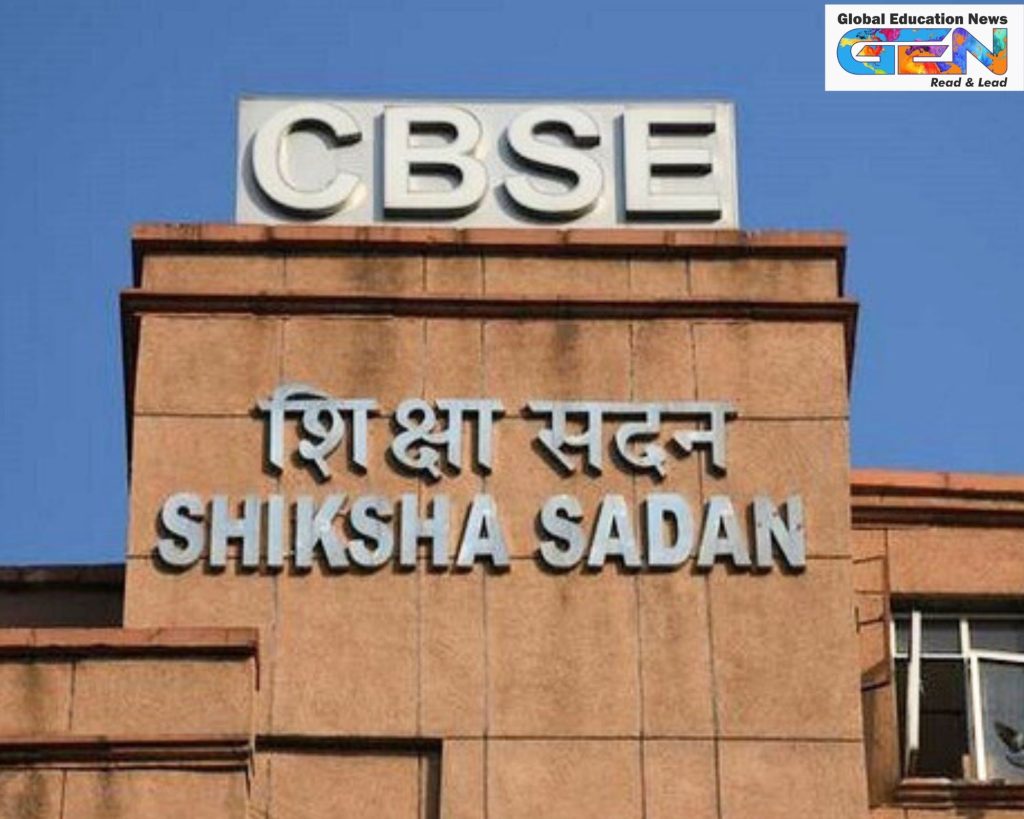
The Central Board of Secondary Education (CBSE) has rolled out comprehensive guidelines for registering Class 9 and 11 students for the 2025-26 academic session, announced on September 16, 2025. Aimed at ensuring a smooth path to the 2026-27 Class 10 and 12 board exams, these rules emphasize accuracy, compliance, and technological integration through the Pariksha Sangam portal. Schools, students, and parents must act swiftly to meet strict deadlines and avoid pitfalls that could jeopardize exam eligibility.
This move aligns with the National Education Policy (NEP) 2020, introducing innovations like mandatory APAAR ID linkage and a verification window, while reinforcing CBSE’s zero-tolerance policy for errors or malpractices.
Key Points:
- Registration is critical for Class 10 and 12 board exam eligibility in 2026-27.
- Process managed via Pariksha Sangam portal, with no extensions past deadlines.
- Schools face strict scrutiny to prevent ineligible registrations or unauthorized subjects.
- Aligned with NEP 2020’s focus on streamlined, transparent education systems.
What’s New for 2025-26: Game-Changing Updates
CBSE has introduced transformative changes to make the registration process robust and future-ready. These updates reflect the board’s commitment to modernizing education while ensuring fairness and accountability.
Key Changes:
- Two Board Exams for Class 10: Starting 2026, Class 10 students will face two annual board exams (February and May), offering flexibility and reducing pressure, per NEP 2020.
- Mandatory APAAR ID: Every student must link their Automated Permanent Academic Account Registry (APAAR) ID, ensuring a unique digital identity for seamless tracking across educational stages.
- Verification Window: Post-registration, schools must generate verification slips for students, with corrections allowed only from November 14 to November 28, 2025—no changes permitted afterward except for transfer cases.
- Enhanced Accountability: Schools must hold teacher-parent meetings to ensure accurate data entry, minimizing errors in names, dates of birth, or subject choices.
These updates aim to streamline processes and prepare students for the evolving board exam structure.
Key Points:
- APAAR ID integration aligns with India’s digital education push.
- Two-exam policy for Class 10 starts in 2026, impacting current Class 9 registrations.
- Verification window ensures data accuracy but has a tight timeline.
- Schools urged to educate parents on the importance of correct details.
School Responsibilities: Ensuring Error-Free Registration
CBSE has placed significant responsibility on school principals and staff to execute flawless registrations. The board’s guidelines stress proactive measures to avoid common errors that could lead to disqualification or delays in board exam eligibility.
School Directives:
- Organize Briefings: Principals must conduct meetings with teachers handling data collection to ensure precision in entries like student names, parental details, and subject selections.
- Update OASIS and HPE Portals: Schools must refresh records on the Online Affiliated Schools Information System (OASIS) and Health and Physical Education (HPE) portals before starting registration.
- Counsel Parents and Students: Emphasize the importance of accurate details and adherence to CBSE’s scheme of studies for subject choices.
- Upload Photos and Signatures: Mandatory for each student to complete the registration process; incomplete submissions will be rejected.
- Monitor Compliance: Ensure no dual registrations with other boards and adherence to attendance norms (75% minimum, as per prior CBSE rules).
Failure to comply risks severe consequences, including disaffiliation, especially for registering ineligible students or unapproved subjects.
Key Points:
- No abbreviations allowed in names of students, parents, or teachers.
- Parental income details may be collected for scholarships but don’t require proof.
- Schools must adhere to affiliation bye-laws on class sizes and teacher ratios.
- Principals accountable for verifying all data before final submission.
Student and Parent Guide: Navigating the Registration Process
For students and parents, understanding these rules is crucial to securing a spot in the 2026-27 board exams. Start by ensuring your APAAR ID is ready—contact your school or visit the government’s APAAR portal if you haven’t generated one. Double-check personal details like name spellings and birth dates, as errors could lead to complications later. Choose subjects wisely, aligning with CBSE’s approved list, and confirm your school has uploaded your photo and signature.
The registration portal closes at 11:59 PM on the notified deadline (exact date to be confirmed via CBSE’s website), with no extensions, so act promptly.
Key Points:
- APAAR ID: Generate via school or myapaar.education.gov.in; mandatory for registration.
- Verify details: Cross-check name, date of birth, and subjects with school records.
- Subject choices: Must align with CBSE’s curriculum; unapproved subjects lead to ineligibility.
- Deadline awareness: Monitor CBSE’s official site for final submission dates.
Why This Matters: Building a Future-Ready Education System
CBSE’s rigorous registration process is more than bureaucratic—it’s a cornerstone for ensuring only prepared, eligible students appear for board exams, reducing malpractices like dummy enrollments. The introduction of APAAR ID links students to a national academic database, facilitating credit transfers and lifelong learning, per NEP 2020. The two-exam system for Class 10 offers a safety net, allowing students to improve scores without waiting a year.
For schools, it’s a call to uphold academic integrity; for students, it’s a chance to start strong in Classes 9 and 11, setting the stage for success in 2026-27.
Key Points:
- Prevents errors that could disqualify students from board exams.
- APAAR ID fosters a unified digital education ecosystem.
- Two-exam policy reduces stress and enhances flexibility for Class 10 students.
- Schools under pressure to maintain accurate records and face audits.