On September 3, 2025, the Central Board of Secondary Education (CBSE) and the Narcotics Control Bureau (NCB) signed a Memorandum of Understanding (MoU) at CBSE headquarters in New Delhi to address substance abuse among students. This landmark collaboration aims to transform schools into hubs for prevention, awareness, and intervention, aligning with the National Education Policy (NEP) 2020’s focus on holistic student welfare. The initiative emphasizes early education, teacher training, and community engagement to tackle the growing challenge of drug abuse among youth.
Key Points:
- The MoU establishes a framework for quarterly awareness programs, teacher and counselor training, e-learning modules, and community outreach.
- A pilot project in 100 CBSE schools will use a hub-and-spoke model to scale efforts nationwide.
- The agreement was signed by Anurag Garg, Director General of NCB, and Rahul Singh, Chairperson of CBSE.
Framework of the CBSE-NCB MoU
The MoU outlines a multi-pronged strategy to make schools drug-free:
- Awareness Campaigns: Quarterly programs to educate students, teachers, and parents on the risks of substance abuse.
- Training Workshops: Teachers and counselors will be trained to identify early signs of drug use and provide support.
- E-Learning Modules: Digital resources to integrate drug prevention into school curricula.
- Counseling Services: Schools will establish direct support lines for students, linked to initiatives like Tele-MANAS, the government’s mental health helpline.
- Community Outreach: Engaging parents and local communities to create a supportive ecosystem.
The pilot project in 100 CBSE schools will test this framework, with successful strategies to be scaled across 33,000+ CBSE-affiliated schools, impacting 2.5 crore students.
Key Points:
- The hub-and-spoke model ensures efficient dissemination of resources from pilot schools to others.
- Integration with Tele-MANAS emphasizes timely mental health support for at-risk students.
- The initiative shifts drug prevention from a law enforcement issue to an educational and societal priority.
Leadership Voices and Program Highlights
During the signing ceremony, key figures underscored the critical role of schools in combating substance abuse:
- Anurag Garg, NCB Director General: “Anti-drug efforts cannot be left to police work alone. Schools must become part of the solution, fostering awareness and resilience among students.”
- Rahul Singh, CBSE Chairperson: “CBSE is committed to equipping schools with resources to make prevention a practice, not just a policy.”
- Himanshu Gupta, CBSE Secretary: Highlighted the importance of safe learning environments and linked the initiative to broader mental health support systems.
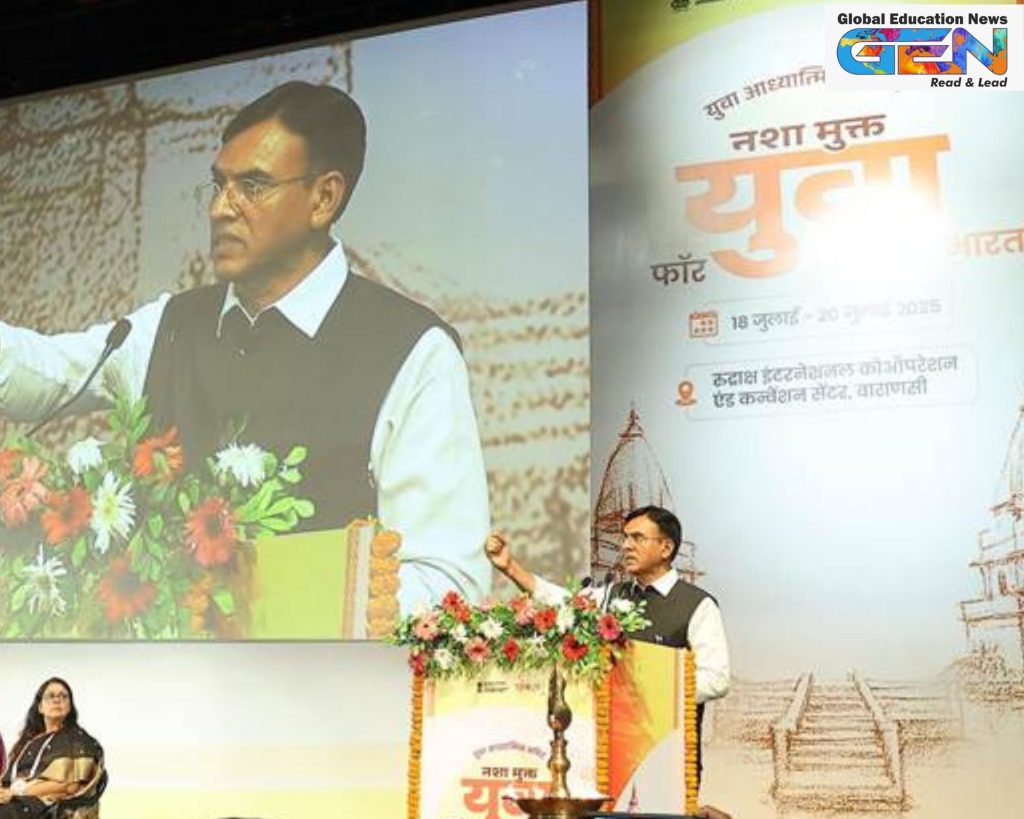
A grand awareness program preceded the MoU, attended by over 500 principals, counselors, and wellness teachers from CBSE schools. Key sessions included:
- Ashutosh Agnihotri, Chairman and Managing Director, Food Corporation of India, emphasized schools’ leadership in addressing social issues beyond academics.
- Dr. Anees C, Deputy Director, NCB, delivered a talk on “Refuse the First Dose, Secure the Future”, highlighting the risks of early drug exposure and the role of schools, peers, and families in prevention.
A question-and-answer session allowed educators to share challenges and seek practical solutions for school-level interventions.
Key Points:
- Schools are positioned as frontline defenders against substance abuse.
- The program emphasizes early intervention and peer support to deter drug use.
- Educators’ feedback will shape the pilot’s implementation and future expansion.
Why This Initiative Matters
Substance abuse among youth is a growing concern in India, with Narcotics Bureau data indicating rising cases of drug use among school-age children. The CBSE-NCB partnership reframes this issue as an educational and societal challenge, moving beyond law enforcement to focus on prevention and empowerment. By training teachers and counselors, introducing counseling services, and fostering community involvement, the initiative aims to create a drug-free school ecosystem. The pilot’s success could set a national precedent, aligning with NEP 2020’s goal of holistic education that prioritizes student well-being.
Key Points:
- 2.5 crore students across CBSE schools could benefit from this initiative.
- The program addresses mental health alongside substance abuse, leveraging Tele-MANAS.
- Community engagement ensures a collective approach to tackling drug abuse.
Next Steps and Scalability
The pilot project in 100 CBSE schools will begin in the 2025–26 academic year, with outcomes evaluated to refine the framework. Successful strategies will be rolled out to all CBSE schools, supported by:
- NCB Expertise: Providing data-driven insights on drug trends and prevention strategies.
- CBSE Resources: Integrating anti-drug modules into the curriculum and wellness programs.
- Teacher Training: Continuous workshops to equip educators with intervention skills.
Students, parents, and educators are encouraged to participate in upcoming awareness drives and access resources via cbse.gov.in and narcoticsindia.nic.in. The initiative’s success hinges on collaboration, with schools as the epicenter of change.
Key Points:
- The pilot will test scalability in diverse school settings, urban and rural.
- E-learning modules will be accessible via CBSE’s digital platforms.
- The initiative aligns with global efforts to address youth substance abuse through education.