Published on October 1, 2025
Delhi, India
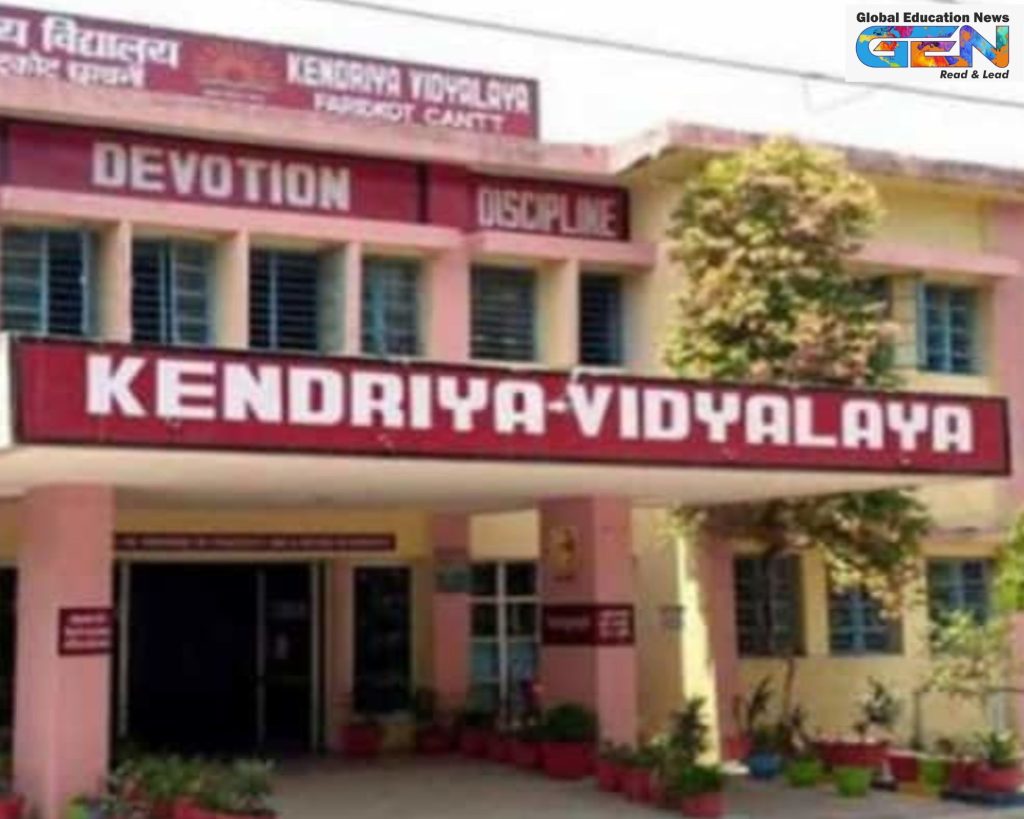
The Cabinet Committee on Economic Affairs, under Prime Minister Narendra Modi, has fast-tracked 57 new Kendriya Vidyalayas (KVs) with a whopping ₹5,862.55 crore war chest. Slated to roll out from 2026-27, this expansion isn’t just bricks and mortar – it’s a NEP 2020-powered leap toward equitable education in India’s toughest terrains. Spanning 17 states and UTs, these schools will welcome 86,640 eager learners, creating 4,617 permanent jobs while spotlighting aspirational districts and beyond. If you’re a parent scouting new KVS schools 2025 or tracking Cabinet KVS approval, buckle up for the details that could redefine school choices nationwide.
Pulse-Quick Key Takeaways from the KVS Expansion Blitz:
- School Surge: 57 new KVs under civil sector, pushing total sanctions to 142 since March 2019 – a 50% network growth in six years.
- Funding Firepower: ₹5,862.55 crore over nine years (₹2,585.52 crore capital, ₹3,277.03 crore ops) – first-time inclusion of Balvatikas for pre-primary magic.
- Reach & Resilience: 20 in KV-less districts; 14 in aspirational zones; 4 in LWE hotspots; 5 in NER/hilly belts – prioritizing the underserved.
- Impact Ignition: Seats for 86,640 kids from Balvatika to Class XII; 4,617 direct jobs, plus construction gigs for local economies.
- NEP Sync: Exemplar schools under PM SHRI, blending foundational literacy with CBSE excellence – no more gaps in early education.
Mapping the Expansion: 57 KVs Across 17 States/UTs – Hotspots for Underserved Growth
This isn’t a scattershot plan – it’s a surgical strike on education deserts, zeroing in on areas where Central staff postings outpace school options. With 50 KVs proposed by states/UTs and 7 backed by the Ministry of Home Affairs, the rollout targets geographic and socio-economic blind spots. From dusty aspirational districts to misty NER hills, these schools promise CBSE-caliber curricula minus the urban premium.
Geographic Breakdown & Strategic Focus:
| Category | Count | Spotlight Zones & Rationale |
|---|---|---|
| KV-Virgin Districts | 20 | Districts teeming with Central employees but zero KVs – instant access boosters for postings in Jharkhand, Odisha, and beyond. |
| Aspirational Districts | 14 | High-need areas like those in Bihar, Chhattisgarh, and UP – fueling NEP’s equity drive with foundational learning hubs. |
| LWE-Affected Areas | 4 | Conflict-prone belts in Maharashtra, Odisha – stability through schooling, easing family relocations for security forces. |
| NER/Hilly Regions | 5 | Remote Northeast and mountain pockets in Uttarakhand, Himachal – bridging urban-rural divides with resilient infrastructure. |
| Sponsored Specials | 7 | MHA-backed for defense/civilian needs – think border outposts in Rajasthan and Jammu & Kashmir. |
| Total Spread | 57 | Across 17 states/UTs (e.g., Andhra Pradesh, Assam, Gujarat, Kerala, Madhya Pradesh, Tamil Nadu) – full list on KVS portal soon. |
This targeted tapestry ensures no child lags behind, turning postings into opportunities and postings into progress engines.
NEP 2020 in Action: Balvatikas to Class XII – The Full-Spectrum School Makeover
For the first time, every new KV packs Balvatikas – those magical three-year pre-primary stages – embedding play-based learning right from the start. Aligned with NEP 2020’s foundational pillars, these aren’t add-ons; they’re core, serving as PM SHRI exemplars to inspire local schools. Expect holistic vibes: Multilingual teaching, digital labs, and sports zones, all under KVS’s proven CBSE success formula.
NEP-Powered Features Spotlight:
- Balvatika Breakthrough: Pre-KG to KG-II focus on phonics, numeracy, and socio-emotional skills – closing India’s early ed gap for 86,640 kids.
- Curriculum Continuum: Seamless from foundational to secondary – strong board results (top 10% nationally) with vocational twists like coding and eco-studies.
- Inclusivity Edge: Reservations for SC/ST/OBC, girls’ hostels in remote spots – empowering 50%+ girl enrollment in aspirational zones.
- Tech & Talent Twist: Smart classrooms, AI tools for personalized learning – prepping students for 2030’s job wave.
- Expert Echo: “These KVs will be beacons of reform,” as insiders buzz, with 913 existing ones already PM SHRI-certified.
The ripple? A KVS network ballooning to 1,345 schools (from 1,288 today), serving 14.5 lakh+ students – a testament to sustained investment since 2019.
Job Creation & Economic Spark: 4,617 Roles + Construction Boom in Education Hubs
Beyond blackboards, this is an employment extravaganza. Each KV hires 81 staff (principals to peons), birthing 4,617 permanent gigs in teaching and admin. But the real multiplier? Construction phases unleashing skilled/unskilled jobs for locals – think masons in Madhya Pradesh or electricians in Assam.
Employment & Economic Highlights:
- Direct Hits: 4,617 full-time posts – prioritizing locals with KVS training for quality hires.
- Indirect Waves: Thousands in building ops over 2026-27 rollout – boosting MSMEs in steel, cement, and green tech.
- Long-Term Lift: Operational spends sustain rural economies; alumni pipelines feed PSUs and startups.
- Diversity Dividend: Women-led roles in Balvatika teams; skill programs for tribal youth in LWE areas.
- Stats Snapshot: Builds on 85 KVs sanctioned in Dec 2024 – cumulative 142, with enrollment up 10% yearly.
This isn’t charity; it’s a virtuous cycle, where educated kids fuel tomorrow’s workforce.
Rollout Roadmap: From 2026-27 Funding to Lasting Legacy in Indian Schooling
Kicking off in 2026-27, the nine-year infusion ensures steady scaling: Capital for campuses, ops for sustainability. States gear up with land grants, while KVS scouts principals via national drives. Challenges like terrain logistics? Met with prefab tech and green builds.
Timeline & Future-Proofing Essentials:
- Phase 1 (2026-27): Site clears, constructions start in 20 priority districts – first batches by 2027-28.
- Milestone Markers: Full ops by 2035; annual audits for NEP alignment.
- Parent Pro Tips: Track kvsangathan.nic.in for lotteries/admissions; prioritize for transferable job families.
- Broader Boost: Aligns with ₹1 lakh crore NEP fund – positioning KVS as India’s ed-tech vanguard.
- Vision Verdict: With three overseas outposts already (Moscow, Kathmandu, Tehran), this cements global-grade schooling at home.
As India eyes 100% GER by 2030, these 57 KVs aren’t endpoints – they’re launchpads for a smarter, fairer tomorrow.
Thrilled for a new KV nearby or plotting admissions? Drop your thoughts below – tag a teacher pal and let’s celebrate this ed-win!