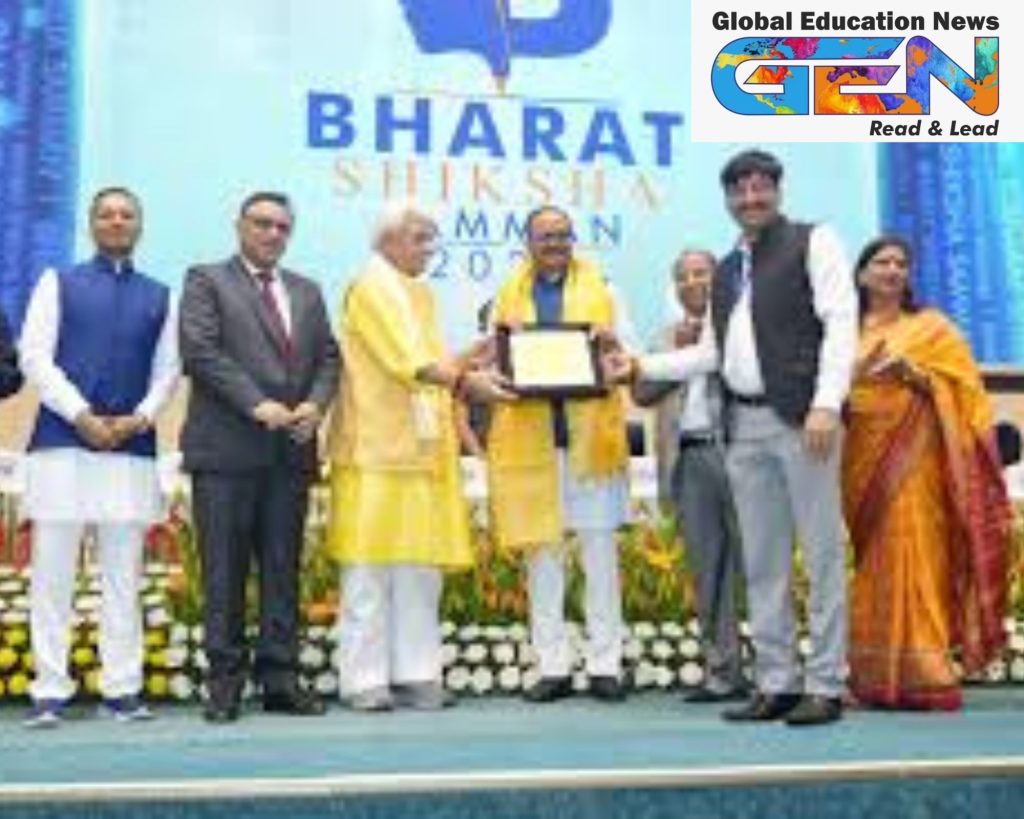
On April 3, 2025, the grand halls of Vigyan Bhawan in New Delhi came alive with optimism and ambition as the Bharat Siksha Summit 2025 unfolded. Organized by the Balaji Foundation, this landmark event turned the spotlight on the National Education Policy (NEP) 2020, with legislators, educators, and thought leaders singing its praises. From Jammu and Kashmir Lieutenant Governor Manoj Sinha to Uttar Pradesh Deputy Chief Minister Brajesh Pathak and MP Naveen Jindal, the summit showcased a rare unity across political and academic lines—all rallying behind a policy they see as India’s ticket to an educational renaissance.
A Star-Studded Stage for NEP 2020
Key Points:
- Hosted by Balaji Foundation at Vigyan Bhawan
- Attendees included Manoj Sinha, Brajesh Pathak, Naveen Jindal
- NEP 2020 hailed for its bold, forward-thinking approach
The Bharat Siksha Summit 2025 wasn’t just another gathering—it was a powerhouse of ideas and influence. The Balaji Foundation pulled off a coup, bringing together heavyweights like Lt. Governor Manoj Sinha, UP’s Deputy CM Brajesh Pathak, and industrialist-turned-MP Naveen Jindal. Their mission? To unpack how NEP 2020 is rewriting the rules of Indian education. With its focus on innovation, inclusivity, and real-world relevance, the policy earned a standing ovation for promising a system that’s as dynamic as the students it serves.
Manoj Sinha: A Nod to Heritage, A Leap to the Future
Key Points:
- Sinha celebrates India’s ancient educational legacy
- Highlights NEP’s shift to creativity and critical thinking
- Stresses ethical values as the core of learning
Lt. Governor Manoj Sinha set the tone with a speech that blended pride in India’s past with hope for its future. He reminded the audience of the country’s golden educational heritage—think universities like Takshila that drew scholars from across the ancient world. NEP 2020, he argued, builds on that legacy by ditching rote learning for a model that nurtures creativity and problem-solving. “It’s not enough to hear our inner voice; we must work hard to realize our potential,” Sinha said, urging a blend of ethical grounding and relentless effort. For him, education isn’t just about jobs—it’s about shaping souls.
Multilingual Magic and Industry Smarts
Key Points:
- NEP’s multilingual education wins big applause
- Links academia with industry for job-ready graduates
- Addresses national and global educational demands
The summit buzzed with excitement over NEP’s push for multilingual education. Leaders praised the policy for letting students learn in their mother tongues, making education more accessible and culturally rooted. Imagine a kid in rural Uttar Pradesh mastering science in Hindi or a Tamil Nadu student tackling math in Tamil—it’s inclusion in action. Beyond language, the policy’s focus on syncing education with industry needs got a thumbs-up too. By fostering innovation and practical skills, NEP aims to churn out graduates who don’t just chase jobs but create them—ready to shine on the global stage.
Ethics and Character: The Unsung Heroes
Key Points:
- Sinha champions ethics alongside academics
- A call for character-building in classrooms
- NEP as a tool for holistic growth
While innovation stole much of the spotlight, Sinha brought the conversation back to values. He argued that NEP 2020 isn’t just about producing brainy graduates—it’s about crafting good humans. Integrating ethical values into the curriculum, he said, ensures students grow up with integrity and empathy, not just IQ points. It’s a refreshing take in a world obsessed with test scores, and it struck a chord with attendees who see education as a force for societal good.
A Unified Cheer for Change
Key Points:
- Cross-spectrum support from leaders
- Summit sparks urgent reform discussions
- NEP 2020 as a national unifier
What made the summit stand out was the chorus of agreement. From Brajesh Pathak’s nod to NEP’s practical edge to Naveen Jindal’s enthusiasm for its forward-thinking vibe, the policy found fans across the board. The discussions weren’t just feel-good chatter—they dug into the nitty-gritty of reforming India’s education to meet 21st-century demands. Whether it’s preparing students for AI-driven jobs or celebrating India’s linguistic diversity, NEP 2020 emerged as a unifying force, bridging political divides with a shared dream.
The Bigger Picture: India’s Global Moment
Key Points:
- NEP positions India as an education leader
- Balances national pride with global competitiveness
- A launchpad for long-term transformation
As the summit wrapped up, the vibe was electric—this wasn’t just about today, but tomorrow. NEP 2020, with its blend of heritage and innovation, is poised to catapult India into the global education big leagues. It’s a policy that honors the past (hello, ancient wisdom!) while arming students for a future where adaptability is king. The Bharat Siksha Summit 2025 didn’t just applaud NEP—it lit a fire under it, signaling that India’s ready to lead, not follow.