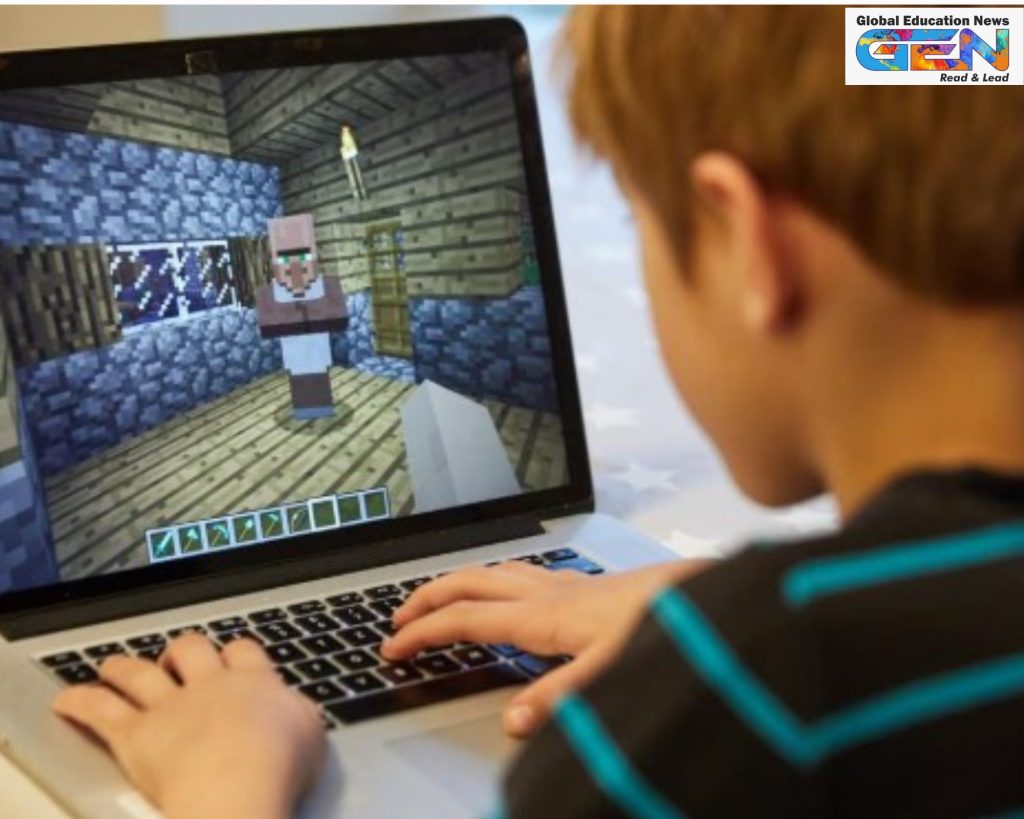
In a move that’s rewriting the rules of the internet for Australia’s youth, the nation’s eSafety Commissioner has thrown Twitch into the ring of restricted platforms under the world’s first national social media ban for under-16s. Effective December 10, 2025—just weeks away—this expansion targets the Amazon-owned streaming giant, popular among gamers for live broadcasts and interactive chats. It’s a stark reminder that in the battle for young users’ attention, governments are drawing hard lines to combat cyberbullying, mental health strains, and predatory risks.
This isn’t a knee-jerk reaction; it’s the culmination of years of advocacy. Back in November 2024, Parliament passed the Online Safety Amendment (Social Media Minimum Age) Bill, mandating “reasonable steps” to block minors under 16 from platforms where social interaction is core. With fines up to A$49.5 million ($32 million USD) looming for non-compliance, tech titans are scrambling to verify ages and purge underage accounts. Twitch’s inclusion? A clear signal that gaming streams aren’t exempt from the scrutiny.
Twitch in the Crosshairs: Why the Gaming Streamer Got Banned
Twitch, boasting over 140 million monthly users worldwide, thrives on real-time engagement—viewers chatting with streamers, sharing memes, and building communities around esports and creative content. But eSafety deems this “primarily online social interaction,” fitting the ban’s criteria like a glove. Unlike passive viewing sites, Twitch’s chat features and user-generated streams encourage direct communication, mirroring the addictive loops of TikTok or Instagram.
- Compliance Timeline: New Australian accounts for under-16s blocked from December 10, 2025; existing ones deactivated by January 9, 2026.
- Global vs. Local: Twitch’s standard age is 13+ with parental oversight, but Australia’s 16+ threshold demands stricter geo-fencing—think IP checks, ID verification, or behavioral algorithms.
- Pinterest Spared: In a twist, the image-sharing app dodged the bullet, as its focus leans more toward discovery than dialogue, per eSafety’s assessment.
Twitch reps confirmed the pivot, emphasizing safety as a priority while navigating this “evolving regulatory landscape.” For Aussie gamers, it means rerouting to kid-safe alternatives or waiting it out—potentially disrupting a vibrant scene where teens scout talent and forge friendships.
The Full Lineup: Platforms Locked Out for Australia’s Under-16 Crew
This ban isn’t selective; it’s sweeping. Alongside Twitch, ten major players must enforce the cutoff, ensuring no backdoors for minors:
- Social Staples: Facebook, Instagram, Snapchat, Threads, TikTok, X (formerly Twitter).
- Video Heavyweights: YouTube (excluding YouTube Kids and Classroom), Reddit.
- Streaming Rivals: Kick, now joined by Twitch.
Exemptions abound for educational tools, private messaging (like WhatsApp), or non-social sites, but gaming platforms like Roblox and Discord are sweating—recently rolling out age gates to preempt inclusion. The goal? Block the “algorithmic dopamine hits” that keep kids scrolling into the wee hours, backed by studies linking early exposure to anxiety spikes and sleep woes.
Why Now? The Mounting Evidence Behind the Ban
Australia’s trailblazing law stems from a perfect storm of data: A 2023 eSafety report found 75% of Aussie kids faced online harm, from grooming to body-image pressures. Globally, platforms have been slammed for lax moderation—think viral challenges gone wrong or echo chambers fueling extremism. Prime Minister Anthony Albanese framed it as “putting children’s wellbeing first,” echoing parental pleas amid a post-pandemic screen-time surge.
Critics, including free-speech advocates, warn of overreach: How do you enforce without invading privacy? eSafety’s answer: Tech-neutral “reasonable steps,” like facial recognition or credit-card links, with trials underway. Early adopters like Meta have pledged cooperation, but whispers of VPN workarounds and black-market IDs hint at cat-and-mouse games ahead.