September 15, 2025
Delhi, India
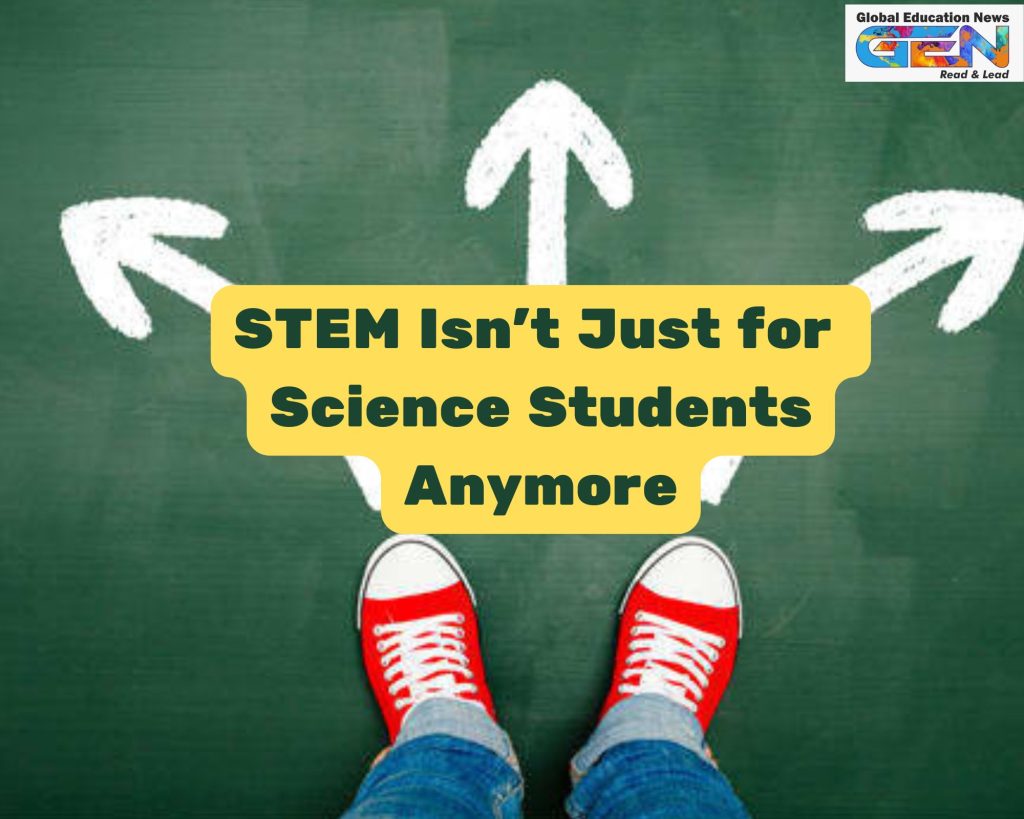
Gone are the days when STEM (Science, Technology, Engineering, and Mathematics) was a club exclusive to those who aced Physics, Chemistry, and Biology in high school. In 2025, the lines are blurring faster than ever, thanks to evolving job markets, interdisciplinary programs, and a demand for diverse skill sets. Whether you’re from a commerce, humanities, or arts background, today’s STEM opportunities value creativity, analytical thinking, and tech-savviness over rigid subject prerequisites. From designing intuitive apps to analyzing climate data, non-science students are carving out exciting paths in high-growth sectors. Let’s explore seven dynamic fields where your unique perspective can shine—proving that your high school stream doesn’t define your future!
The Shifting Landscape of STEM in 2025
STEM isn’t a monolith anymore; it’s a vibrant ecosystem blending tech with human insights. With industries facing complex challenges like AI ethics, sustainable urban planning, and user-centric digital experiences, employers crave hybrid skills. Universities are responding with flexible majors that welcome diverse backgrounds, emphasizing practical projects over rote science knowledge. This inclusivity isn’t just feel-good—it’s driven by a projected 10% annual growth in interdisciplinary STEM jobs through 2030, per global reports. If you’re passionate about problem-solving but skipped the lab coat, these fields are calling your name!
Key Points:
- STEM jobs now prioritize soft skills like creativity and communication alongside tech basics.
- 70% of new STEM roles in 2025 require interdisciplinary backgrounds, per industry surveys.
- Flexible online certifications and bootcamps make entry easier for non-science grads.
- Global trends like AI integration and sustainability demand diverse thinkers.
1. Data Science and Business Analytics: Turning Numbers into Narratives
Love crunching numbers but hate memorizing chemical formulas? Data Science and Business Analytics let you harness data for real-world impact in business, sports, or healthcare—without a science degree.
What You’ll Learn:
- Data manipulation with tools like Excel, Tableau, and basic Python.
- Statistical analysis and predictive modeling for decision-making.
- Communicating insights through visualizations and reports.
Career Paths:
- Data Analyst: Entry-level roles starting at ₹6-8 LPA.
- Business Intelligence Consultant: High-demand in e-commerce giants.
- Market Insights Specialist: Perfect for commerce grads eyeing marketing tech.
Why It Fits Non-Science Students: Focuses on logical thinking from maths or economics, not lab experiments.
2. Information Systems and Technology Strategy: Tech Without the Code Grind
Not a coding whiz? This field bridges business needs with tech solutions, like optimizing CRM systems or streamlining operations—no deep programming required.
What You’ll Learn:
- System architecture and enterprise software basics.
- Digital transformation strategies and cybersecurity overviews.
- Agile project management for tech implementations.
Career Paths:
- IT Business Analyst: Average salary ₹7-10 LPA.
- Technology Operations Manager: Roles in consulting firms like Deloitte.
- Digital Strategy Planner: Ideal for MBA aspirants from commerce streams.
Why It Fits Non-Science Students: Draws on organizational skills from business or humanities for strategic tech roles.
3. UX/UI and Human-Centred Design: Designing for Humans, Powered by Tech
If psychology or art lights your fire, UX/UI Design crafts user-friendly digital worlds, blending empathy with interface tools.
What You’ll Learn:
- User research methods like surveys and usability testing.
- Prototyping with Figma or Adobe XD.
- Principles of visual design and accessibility.
Career Paths:
- UX Designer: Freelance or in-house at startups, ₹5-9 LPA.
- Product Experience Strategist: Tech firms like Google or Flipkart.
- Interaction Designer: Growing in app development.
Why It Fits Non-Science Students: Rooted in human behavior studies from psychology or fine arts.
4. Cognitive Science: Decoding the Mind in the Machine Age
Curious about how brains and bots “think”? Cognitive Science merges philosophy, linguistics, and AI to study decision-making and human-tech interactions.
What You’ll Learn:
- Theories of cognition, memory, and perception.
- Basics of neural networks and natural language processing.
- Experimental design for behavioral studies.
Career Paths:
- AI Ethics Researcher: Emerging roles in policy think tanks.
- Human-Computer Interaction Specialist: ₹8-12 LPA in tech R&D.
- Behavioral Data Scientist: For social media or edtech firms.
Why It Fits Non-Science Students: Builds on humanities like philosophy or languages for AI’s human side.
5. Sustainability and Environmental Studies: Green Thinking Meets Tech
Passionate about the planet? This field tackles climate action through policy, urban planning, and data-driven sustainability—no biology lab needed.
What You’ll Learn:
- Environmental policy and impact assessment.
- GIS mapping and sustainability metrics.
- Stakeholder engagement for eco-projects.
Career Paths:
- Sustainability Consultant: NGOs or corporates, ₹6-10 LPA.
- Urban Resilience Planner: In smart city initiatives.
- Climate Policy Analyst: Government or international orgs.
Why It Fits Non-Science Students: Leverages economics or social sciences for systemic environmental solutions.
6. Game Design and Interactive Media: Where Creativity Codes Worlds
Gamers and storytellers unite! Game Design creates immersive digital experiences, from indie titles to VR simulations.
What You’ll Learn:
- Narrative scripting and level design.
- Tools like Unity or Unreal Engine for beginners.
- User testing for engaging gameplay.
Career Paths:
- Game Developer: ₹5-8 LPA in India’s booming gaming industry.
- AR/VR Experience Creator: For education or marketing.
- Interactive Media Producer: Streaming platforms like Netflix.
Why It Fits Non-Science Students: Thrives on artistic flair and narrative skills from arts or media studies.
7. Applied Maths and Statistics: Pure Logic, Endless Applications
Maths enthusiasts, rejoice! Majors in Applied Maths focus on modeling real problems, from finance to logistics.
What You’ll Learn:
- Advanced stats, probability, and optimization.
- Software like R or MATLAB for simulations.
- Economic forecasting and risk analysis.
Career Paths:
- Quantitative Analyst: Banking sector, ₹8-15 LPA.
- Operations Research Specialist: Supply chain optimization.
- Statistical Consultant: For research firms.
Why It Fits Non-Science Students: Pure maths from commerce streams unlocks quant-heavy roles without physics.
Tips to Transition into STEM from Non-Science Backgrounds
Ready to pivot? Here’s how to make the leap in 2025:
Key Points:
- Certifications First: Platforms like Coursera offer Google Data Analytics or IBM UX Design—free or low-cost entry points.
- Build a Portfolio: Showcase projects on GitHub or Behance to demonstrate skills.
- Network Smart: Join LinkedIn groups or attend virtual STEM fairs for mentorship.
- Upskill Flexibly: Opt for hybrid programs blending online learning with internships.
- Mindset Shift: Embrace failure as iteration—key in design thinking and agile methods.
The Future is Interdisciplinary: Your Move
In 2025, STEM isn’t a gatekept fortress—it’s an open arena where diverse minds solve tomorrow’s puzzles. By ditching the “Science-only” myth, you’re not just chasing jobs; you’re fueling innovation in a world that needs balanced perspectives. Whether you’re plotting data trends or prototyping sustainable cities, your non-traditional background is your superpower. Don’t let high school choices clip your wings—enroll in a bootcamp, tweak your resume, and step into a STEM career that’s as unique as you are. The high-growth path ahead? It’s yours to design.