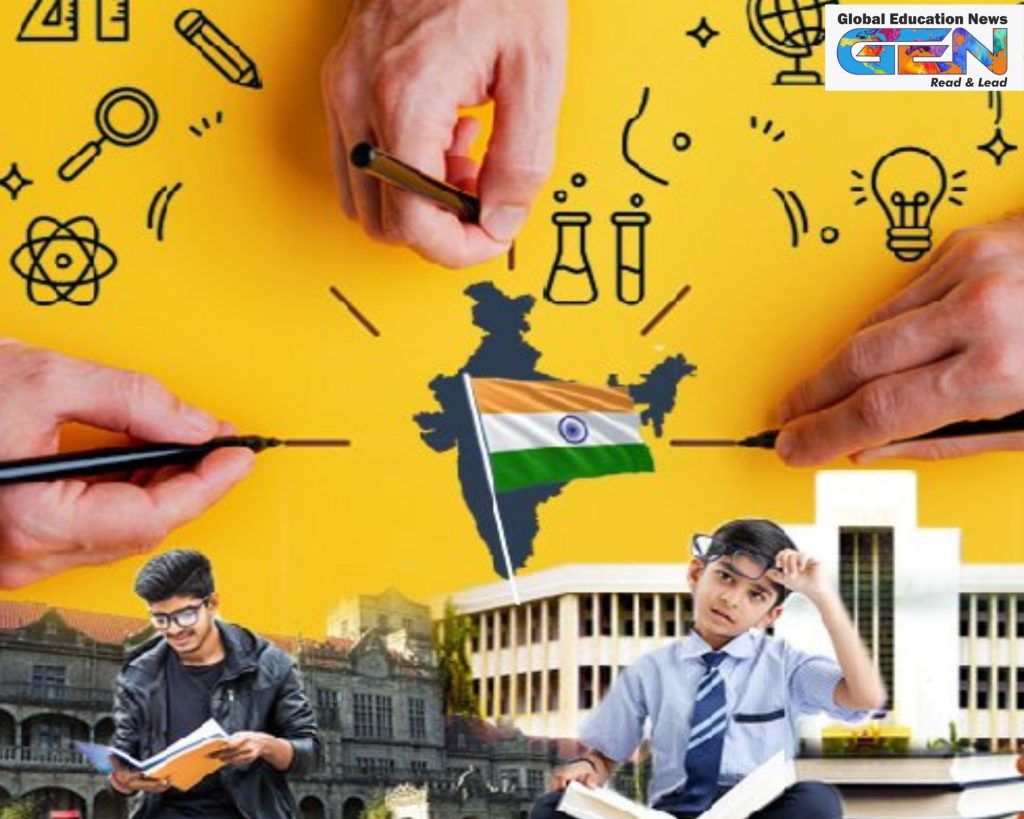
As global universities tighten admissions and visa policies create hurdles, India is stepping up as a premier destination for higher education in 2025. Announced on August 10, 2025, this shift, driven by the National Education Policy (NEP) 2020 and innovative visa reforms, is reshaping the global academic landscape. With initiatives like e-Student visas and international partnerships, India is attracting students from Asia, Africa, and beyond, challenging traditional education hubs like the US and UK. Here’s why India is the new go-to:
- Policy Reforms: NEP 2020 promotes joint degrees, credit transfers, and global collaborations, making Indian institutions competitive, as noted by Symbiosis International University’s Amruta Ruikar.
- Visa Accessibility: New e-Student and e-Student-X visas simplify access for international learners, welcoming students from economically or politically unstable regions.
- Affordable Excellence: Degrees at premier Indian institutions cost a fraction of Western counterparts, with English-medium instruction enhancing appeal, per a May 2025 Economic Times report.
Overcoming Global Challenges: Why Students Are Choosing India
Stricter visa norms and rising costs in countries like the US, UK, Canada, and Australia are pushing students to rethink study-abroad plans. India’s strategic response is turning it into a magnet for global talent:
- Visa Crackdowns Abroad: The US, under tightened policies, has restricted international student visas, with Harvard facing admission bans, per a May 2025 Economic Times article. Canada and Australia also report visa rejections and high living costs.
- India’s Pull Factors: Programs like Study in India, ICCR scholarships, and GIAN offer affordable, high-quality education, as highlighted by Mahindra University’s Dr. Yajulu Medury.
- Cultural Openness: India’s democratic values and cultural richness attract students from developing nations, fostering a welcoming environment, as noted by education experts.
Key Initiatives Driving India’s Education Boom
India’s rise as an education hub is fueled by strategic reforms and partnerships that align with global standards. The following initiatives are transforming the academic landscape:
- NEP 2020 Blueprint: Encourages internationalization through flexible curricula, joint degrees, and foreign university campuses, with institutions like IISc Bangalore and IITs ranking in QS and Times Higher Education lists.
- International Campuses: Universities like Deakin and Wollongong from Australia have set up campuses in India, offering global degrees at lower costs, per a September 2024 Economic Times report.
- Financial Growth: A 9-11% revenue growth is projected for Indian higher education in FY2026, driven by expanded seats and new courses, according to an ICRA report cited by LiveMint.
Top Institutions Leading the Charge
India’s premier institutions are stepping up with globally benchmarked curricula and interdisciplinary programs, drawing both domestic and international students:
- Symbiosis International University: Offers joint degrees and cross-border collaborations, as emphasized by Amruta Ruikar, making it a hub for global learners.
- Mahindra University: Partners with Virginia Tech and Babson College, focusing on interdisciplinary thinking and global partnerships, per Dr. Yajulu Medury.
- SRM Group of Institutions: Holds Institution of Eminence (IoE) status, with MoUs for joint research and faculty exchange, as noted by Dr. Kannan.
Challenges and the Road Ahead: Sustaining the Momentum
While India’s education sector is thriving, sustaining this growth requires addressing key challenges:
- Infrastructure Needs: Continuous investment in digital learning, research facilities, and student life is crucial, as emphasized by SRM’s Dr. Kannan.
- Academic Autonomy: Policies supporting institutional flexibility and international mobility are essential for global competitiveness, per expert insights.
- Global Marketing: Scaling up initiatives like the Study in India portal and promoting Indian education at global fairs will attract more students, as suggested by Dr. Vidya Yeravdekar.
Why This Matters: India’s Global Education Leadership
As events like Mumbai’s International Olympiad on Astronomy and Astrophysics highlight India’s academic prowess, the nation’s rise as an education hub in 2025 marks a pivotal moment. By offering affordable, high-quality education and welcoming diverse students, India is not only retaining talent but also attracting global scholars. With a projected 500,000 foreign students by 2047, per Niti Aayog’s BVR Subrahmanyam, India is poised to become a Vishwaguru—a world teacher. Join the revolution and explore study opportunities at institutions leading this charge!