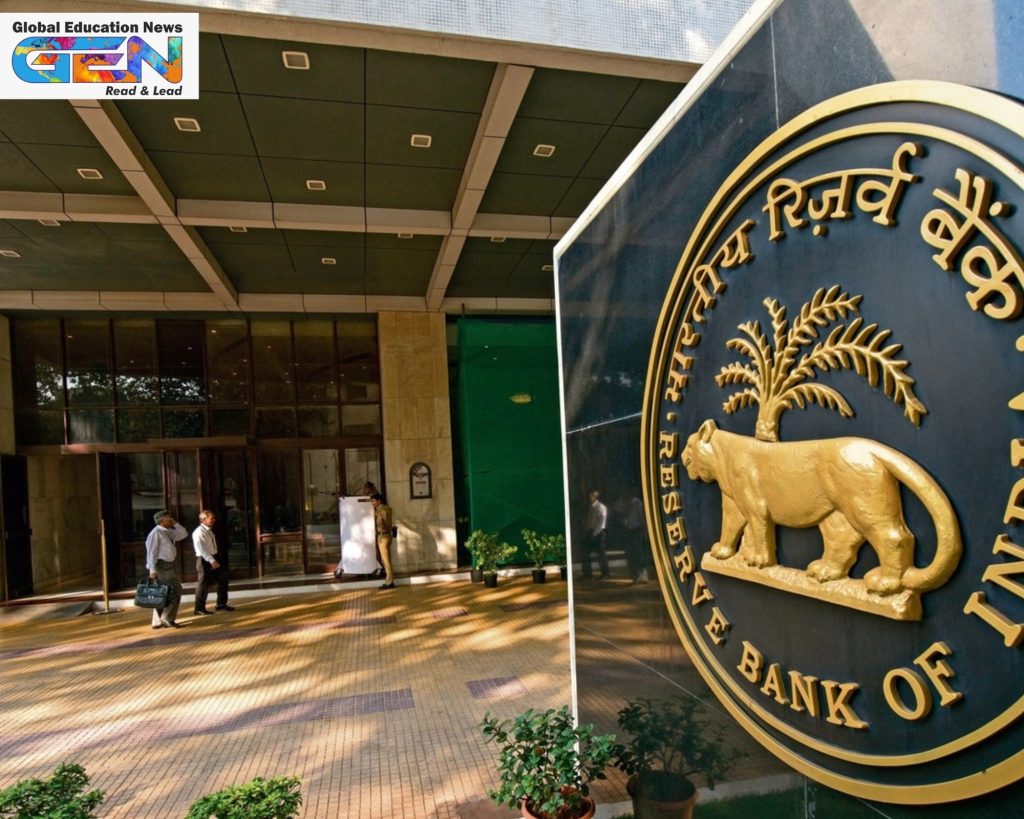
On June 12, 2025, the Reserve Bank of India (RBI) rolled out game-changing amendments to its Know Your Customer (KYC) norms, making banking more accessible than ever. Announced via the RBI (KYC) (Amendment) Directions, 2025, these updates allow video-based KYC (V-CIP) and Business Correspondents (BCs) to streamline updates, especially for rural and underserved customers. With a June 2026 deadline for low-risk account updates, the RBI is tackling backlogs in PMJDY accounts and boosting financial inclusion. Ready to simplify your banking? Let’s dive into the details!
Key Points:
- RBI announced KYC norm changes on June 12, 2025, effective immediately.
- Video KYC and BCs enabled for easier customer onboarding and updates.
- Deadline for low-risk KYC updates extended to June 2026.
Video KYC: Update from Anywhere
Say goodbye to long bank queues! The RBI’s Video-based Customer Identification Process (V-CIP) lets you update your KYC remotely via a secure video call. Introduced in 2020 and now expanded, V-CIP allows new and existing customers to verify identities or reactivate dormant accounts, like those under Pradhan Mantri Jan-Dhan Yojana (PMJDY), without stepping into a branch.
Key Points:
- V-CIP enables remote KYC via live video with bank officials.
- Requires customer consent and a clear PAN/Aadhaar display during the call.
- Ideal for PMJDY, DBT, and EBT account holders facing update issues.
- Video files stored securely with date and time stamps.
Business Correspondents: Banking at Your Doorstep
For customers in rural and semi-urban areas, Business Correspondents (BCs)—like NGOs, SHGs, and MFIs—are now authorized to collect KYC updates. Whether it’s a self-declaration for unchanged details or a new address, BCs make the process seamless, especially for those far from bank branches.
Key Points:
- BCs collect biometric e-KYC or physical self-declarations.
- Banks must verify BC submissions, with final responsibility on the bank.
- RBI mandates outreach camps in rural areas to clear KYC backlogs.
- Helps reactivate inoperative PMJDY and welfare scheme accounts.
Key Deadlines and Reminders
The RBI has noted a massive backlog in KYC updates, especially for Direct Benefit Transfer (DBT) and PMJDY accounts, causing issues with fund withdrawals. To fix this, banks must send three advance reminders, including one mandatory letter, and complete low-risk customer updates by June 2026.
Key Points:
- Low-risk customers get until June 2026 for KYC updates.
- Banks must send three reminders: one letter, others via SMS/email.
- Reminder systems to be implemented by January 1, 2026.
- Special camps planned for rural and semi-urban branches.
Digital Tools: Aadhaar, DigiLocker, and More
The RBI is embracing technology to make KYC a breeze. Customers can use Aadhaar OTP-based e-KYC, DigiLocker documents, or in-person digital setups for onboarding. If your address differs from Aadhaar, a simple self-declaration suffices, making the process inclusive for first-time and welfare scheme users.
Key Points:
- Aadhaar OTP and DigiLocker streamline digital onboarding.
- Self-declaration allowed for address changes from Aadhaar records.
- Central KYC Registry (CKYCR) integration mandatory for post-2017 accounts.
- Enhances access for DBT, EBT, and PMJDY beneficiaries.
Why It Matters: Financial Inclusion for All
India’s PMJDY has opened over 50 crore accounts, but many remain inoperative due to KYC issues, blocking access to government benefits. The RBI’s new norms aim to fix this, ensuring equitable financial access while fighting fraud and money laundering. As fintech expert Anand Kumar Bajaj noted, “These guidelines promote governance, compliance, and customer protection.”
Key Points:
- Addresses KYC backlog for over 50 crore PMJDY accounts.
- Boosts financial inclusion in rural and semi-urban areas.
- Strengthens anti-money laundering efforts with secure processes.
- Video KYC and BCs reduce drop-off rates, improving user experience.
Challenges and Solutions
While the RBI’s changes are a step forward, challenges like limited digital literacy in rural areas and past bank overreach (e.g., unnecessary re-KYC demands) persist. The RBI is countering these with:
Key Points:
- Outreach Camps: Banks to hold KYC update drives in rural areas.
- Clear Guidelines: Banks warned against harassing customers for extra data.
- Training: Banks to educate staff and customers on new norms.
- Audit Trails: Mandatory reminder records to ensure compliance.
Tips for Smooth KYC Updates
Ready to update your KYC? Here’s how to navigate the new norms like a pro:
Key Points:
- Check Status: Verify your KYC status online at your bank’s portal.
- Use Video KYC: Opt for V-CIP for quick, remote updates.
- Contact BCs: Reach out to local BCs in rural areas for doorstep help.
- Stay Alert: Respond to bank reminders before June 2026 to avoid account freezes.
Start now to keep your account active and hassle-free!
RBI’s KYC Norms 2025: A Step Toward Inclusive Banking
The RBI’s KYC norm changes, announced on June 12, 2025, are a game-changer for India’s banking landscape. By enabling video KYC, empowering Business Correspondents, and extending deadlines to June 2026, the RBI is ensuring that millions, especially in rural areas and PMJDY holders, can access banking without barriers. These updates align with Atmanirbhar Bharat’s vision of digital and inclusive growth while safeguarding against financial fraud. Don’t wait—visit rbi.org.in or your bank’s portal to update your KYC and stay connected to India’s financial future!
Key Points:
- Video KYC and BCs make updates accessible for all.
- June 2026 deadline eases pressure on low-risk customers.
- Supports PMJDY and DBT beneficiaries with simplified processes.
- Strengthens India’s fight against financial fraud with secure tech.