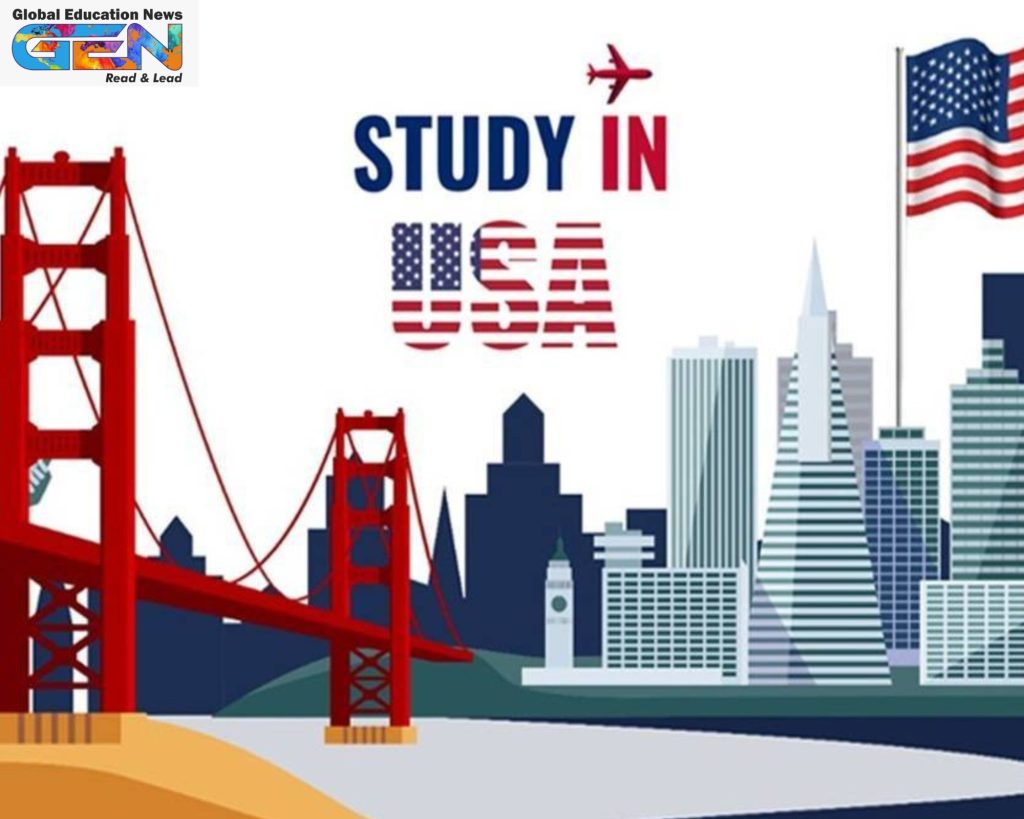
The US Embassy in India has issued a stern warning to Indian and international students: skipping classes, dropping out, or leaving academic programs without notifying schools can lead to the revocation of F-1 student visas and jeopardize future US visa eligibility. Announced on May 27, 2025, via a post on X, this advisory comes amid tightened immigration policies under the Trump administration, raising alarm among the 3.31 lakh Indian students in the US—the largest international cohort in 2023-24. With visa denials surging to a 10-year high and hundreds facing deportation, here’s what Indian students need to know to protect their academic dreams in 2025.
The Warning: Compliance Is Non-Negotiable
- Visa at Risk: Dropping out, skipping classes, or leaving a program without informing the Designated School Official (DSO) can lead to F-1 visa cancellation.
- Long-Term Impact: Non-compliance may bar students from future US visas, affecting career and academic prospects.
- Action Required: Attend all classes, maintain academic progress, and communicate promptly with DSOs about any issues.
The US Embassy emphasized: “Always adhere to the terms of your visa and maintain your student status to avoid any issues.” This follows a federal judge’s temporary block on April 23, 2025, against the Trump administration’s attempt to revoke the legal status of international students, highlighting the ongoing tension in US immigration policy. With 41% of F-1 visa applications denied in 2023-24, compliance is critical.
Why Now? A Crackdown on Immigration
- Trump’s Policies: Since January 2025, the administration has intensified immigration enforcement, deporting 388 Indian nationals, including 153 from Punjab, by mid-February.
- Visa Revocations Surge: Over 4,700 international students, including 50% of 327 reported cases being Indian, had their visas revoked this spring, often for minor infractions like speeding or dismissed charges.
- SEVIS Terminations: The Student and Exchange Visitor Information System (SEVIS) records are being terminated for minor violations, rendering students’ legal status invalid and prompting self-deportation.
The American Immigration Lawyers Association (AILA) reports that many revocations stem from minor issues like traffic violations or resolved misdemeanors, marking a shift in enforcement patterns. Legal pressure from lawsuits has led to some SEVIS reinstatements, but many students remain stuck in India with revoked visas, unable to return.
Impact on Indian Students: A Growing Concern
- Largest Cohort Affected: Indian students, numbering 3.31 lakh in 2023-24 (29% of 11.26 lakh international students), face heightened scrutiny, with a 38% drop in visas issued in 2024.
- Fear and Anxiety: Students report panic over sudden SEVIS terminations, with cases like a Telangana student whose visa was revoked over a speeding ticket despite legal resolution.
- Economic Stakes: Indian students contributed nearly $8 billion to the US economy in 2019, but stricter rules and a 11% drop in enrollments from 2023 to 2024 signal challenges ahead.
Students like Chinmay Deore, assisted by the ACLU, and Isser Dasani, who secured a court stay in Wisconsin, highlight the legal battles unfolding. The Ministry of External Affairs (MEA) is engaging with affected students, urging them to pursue legal routes to challenge deportations.
How to Stay Compliant: Key Steps for Students
- Attend Classes Regularly: Skipping classes risks SEVIS termination, as universities must report enrollment changes.
- Communicate with DSOs: Inform your school immediately about academic or personal challenges to maintain visa status.
- Avoid Minor Infractions: Traffic violations, unauthorized work, or failure to update addresses can trigger visa revocation.
- Monitor SEVIS Status: Check your SEVIS portal regularly and work with DSOs to correct errors promptly.
- Secure Legal Help: If facing revocation, consult immigration attorneys to file motions or seek Temporary Restraining Orders (TROs).
Experts advise carrying immigration documents at all times and cleaning up social media to avoid scrutiny over political posts. With universities like Stanford and Arizona State reporting visa losses, proactive compliance is essential.
Challenges and Legal Recourse
- Unclear Pathways: Even with SEVIS reinstatements, revoked visas leave students in limbo, unable to re-enter the US without new applications.
- Legal Battles: Lawsuits have secured temporary relief, but the slow reinstatement process and high legal costs deter many.
- Self-Deportation Risks: Leaving voluntarily may harm future visa eligibility; experts recommend staying to challenge revocations legally.
The MEA has raised concerns with US authorities, emphasizing the need for fair treatment. Immigration attorney Rahul Reddy notes that legal pressure, not goodwill, has driven reinstatements, urging students to act swiftly.
The Bigger Picture: India’s Study Abroad Landscape
- Declining Numbers: Indian student enrollments in the US dropped from 2.34 lakh in 2023 to 2.04 lakh in 2024, driven by visa uncertainties and a depreciating rupee.
- Alternative Destinations: Students are turning to Russia (31,444 in 2024) and France (8,536 in 2024) due to stricter US policies.
- NEP’s Role: India’s National Education Policy (NEP) struggles to retain talent, with $70 billion projected for overseas education by 2025, pushing for stronger domestic institutions.
The US remains a top destination, but tightened rules and a 41% F-1 visa rejection rate in 2023-24 signal a challenging road ahead. Students must navigate this landscape with caution and resilience.
Moving Forward: Protecting Your American Dream
The US Embassy’s warning underscores a critical moment for Indian students. With visa policies tightening and deportations rising, staying compliant is non-negotiable. By attending classes, engaging with DSOs, and seeking legal support when needed, students can safeguard their academic journey. As India pushes for stronger domestic education systems and explores alternative study destinations, the 3.31 lakh Indian students in the US must stay vigilant to secure their place in a competitive global landscape. Your dream is worth fighting for—stay informed, stay compliant, and keep pushing forward!