A fresh controversy has emerged in Jammu and Kashmir’s higher education landscape after universities initiated a large-scale review of books considered “objectionable” or potentially “anti-national.” The move follows directives aimed at ensuring educational materials align with national interests, but it has simultaneously ignited concerns among academics, historians, and education experts over the future of scholarly independence.
While authorities argue that educational institutions must remain free from content promoting separatism or misinformation, critics fear the exercise could encourage self-censorship, weaken academic inquiry, and undermine the intellectual diversity that universities are expected to uphold. The debate has once again placed the delicate balance between national security and academic freedom under public scrutiny.
Why the Book Review Was Initiated
The latest review comes shortly after controversy surrounding educational material circulated under the Samagra Shiksha programme, where a publication containing profiles of controversial separatist figures attracted criticism.
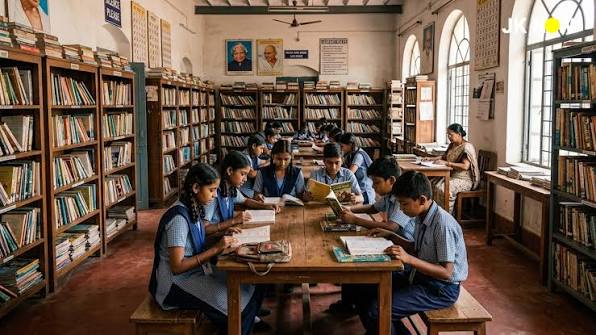
Following the incident, educational authorities instructed universities, colleges, and schools to examine library collections and departmental reading materials for content that could be viewed as promoting separatism or narratives contrary to national interests.
Departments dealing with subjects such as:
- Political Science
- History
- Law
- International Relations
- Sociology
are reportedly among those most affected because their curricula frequently involve politically sensitive literature.
Objectives Behind the Exercise
According to officials, the review aims to:
- Ensure educational material aligns with constitutional values.
- Prevent circulation of content considered extremist or anti-national.
- Maintain national integrity within educational institutions.
- Standardize academic resources across universities.
- Remove literature perceived as promoting violence or separatist ideologies.
Concerns Raised by Academics
Many scholars believe the absence of clearly defined criteria creates uncertainty for faculty members responsible for selecting teaching material.
Several professors argue that universities should expose students to multiple viewpoints rather than restrict access to controversial texts. They caution that the exercise could encourage educators to avoid sensitive topics altogether, even when discussing them from historical or analytical perspectives.
Academic experts fear the review may lead to:
- Reduced intellectual diversity.
- Self-censorship among faculty members.
- Limited classroom debates.
- Declining research quality.
- Hesitation in pursuing politically sensitive research.
- Constraints on critical thinking and evidence-based analysis.
Academic Freedom vs National Security
The controversy highlights a broader policy dilemma faced by many countries—how to balance national security concerns with the autonomy of universities.
Supporters of the Review Argue
- Universities should not circulate material perceived to glorify violence or separatism.
- Educational institutions have a responsibility to promote constitutional values.
- Publicly funded institutions should ensure learning resources support national unity.
Critics Counter
- Universities exist to encourage questioning, debate, and independent inquiry.
- Exposure to differing perspectives is essential for higher education.
- Historical and political subjects cannot be fully understood without examining multiple sources.
- Broad or unclear restrictions may discourage genuine scholarship.
Possible Impact on Students
Students may experience both immediate and long-term effects.
Potential Positive Outcomes
- Removal of content officially considered misleading or inflammatory.
- Greater alignment between curricula and government educational policies.
Potential Challenges
- Narrower access to diverse academic literature.
- Reduced opportunities for comparative historical research.
- Fewer discussions involving conflicting viewpoints.
- Limited exposure to international scholarship on complex political issues.
Education specialists note that universities thrive when students critically evaluate differing perspectives rather than encounter only a single narrative.
Implications for Research and Higher Education
Research universities depend on access to extensive academic resources.
Experts caution that uncertainty over permissible material may discourage:
- Independent research.
- Publication of critical analyses.
- International academic collaboration.
- Cross-disciplinary studies.
- Historical and political scholarship involving sensitive topics.
Some scholars fear that such restrictions could affect the global perception of academic autonomy in the region if review mechanisms are not transparent and clearly defined.
The Need for Transparent Academic Policies
Education experts suggest that any review of educational material should include:
- Clearly defined evaluation criteria.
- Independent academic committees.
- Transparent review procedures.
- Opportunities for scholarly appeal.
- Periodic reassessment based on academic standards.
- Protection of legitimate research and historical inquiry.
Such measures, they argue, can help maintain both educational integrity and public confidence.
Broader National Context
The Kashmir book review forms part of a wider conversation across India about curriculum design, educational content, and the responsibilities of universities. As governments increasingly seek to shape educational narratives, higher education institutions face the challenge of balancing public accountability with the preservation of independent scholarship.
The outcome of this debate may influence future policies governing textbooks, university libraries, and academic research beyond Jammu and Kashmir.