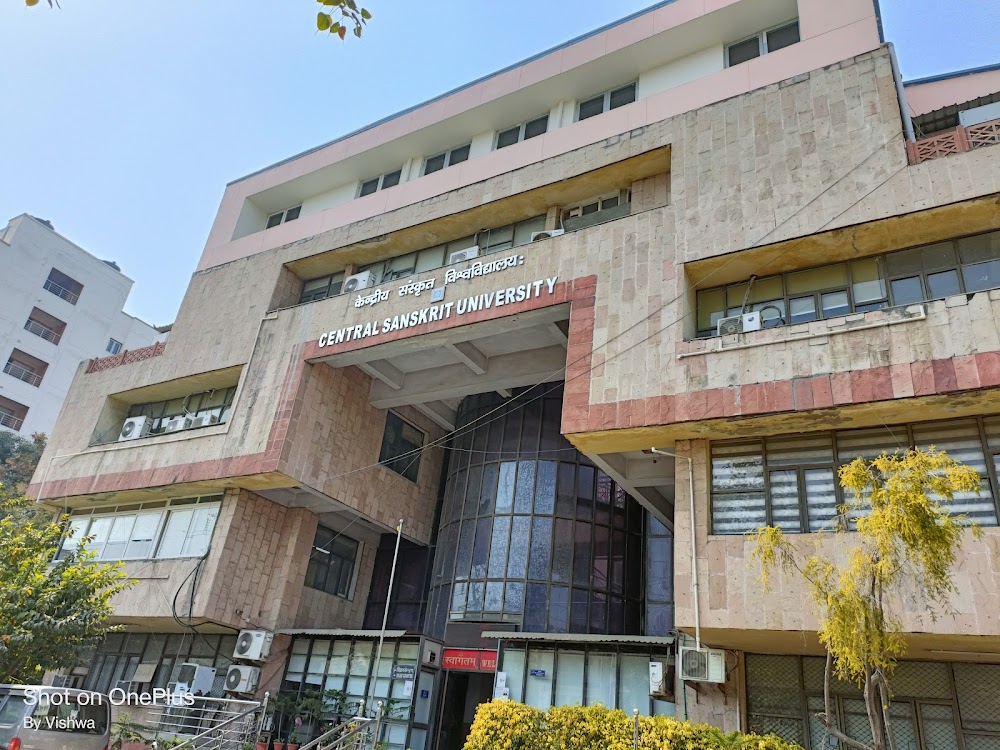
In a pioneering move, the Central Sanskrit University has become the first Sanskrit university in India to venture into engineering education by launching a B.Tech programme in Artificial Intelligence (AI) and Data Science, commencing from the 2026-27 academic session.
Programme Overview and Key Details
- Approval and Intake: The programme is approved by the All India Council for Technical Education (AICTE) with a total sanctioned intake of 66 seats (60 regular + 6 supernumerary).
- NEP 2020 Alignment: Designed in line with the National Education Policy 2020, it aims to transform traditional Sanskrit institutions into multidisciplinary centres of learning.
- Unique Integration: The curriculum seamlessly blends core engineering subjects with India’s linguistic heritage and classical knowledge systems.
This initiative was highlighted by Prime Minister Narendra Modi in his Mann Ki Baat address on June 28, 2026, where he described it as a significant effort to prepare youth for future technologies while keeping them rooted in their cultural heritage.
Objectives and Expected Impact
The B.Tech programme is expected to achieve several groundbreaking outcomes:
- Development of AI-enabled tools specifically for Sanskrit and other Indian languages.
- Acceleration of digitisation and preservation of ancient manuscripts and classical texts.
- Promotion of interdisciplinary research connecting AI with traditional Indian Knowledge Systems (IKS) such as Ayurveda, Yoga, Jyotisha, and Nyaya.
- Strengthening computational linguistics, natural language processing, and machine translation for classical languages.
Curriculum Highlights
The programme combines rigorous technical education with specialised knowledge components:
Technical Core:
- Artificial Intelligence and Machine Learning
- Data Science, Statistics, and Data Analytics
- Python Programming, Cloud Computing, and Deep Learning
Language & Knowledge Systems:
- Natural Language Processing and Computational Linguistics
- Machine Translation and Speech Recognition
- Conversational AI and Language Technologies
- Optical Character Recognition (OCR) for ancient manuscripts
- Knowledge Representation
This unique structure opens new pathways for students from Sanskrit and traditional learning backgrounds to enter modern technical fields.
Analysis: Significance for Indian Education
Bridging Tradition and Modernity: This programme exemplifies the NEP 2020 vision of multidisciplinary education. It challenges the notion that classical language institutions are limited to humanities and positions them as active contributors to cutting-edge technology.
Cultural Technology Preservation: By applying AI to Sanskrit and Indian languages, the initiative could play a vital role in preserving and democratising access to India’s vast repository of ancient wisdom for future generations.
Career and Research Opportunities: Graduates will be uniquely positioned to work at the intersection of AI, linguistics, and cultural heritage — fields with growing demand in academia, digital humanities, language tech startups, and government initiatives.
Potential Challenges: Success will depend on attracting quality faculty with dual expertise in technology and Sanskrit studies, developing appropriate learning resources, and ensuring students receive strong foundational training in both domains.
PM Modi’s Vision
In his address, the Prime Minister noted: “This marks a crucial step towards integrating modern technology with India’s traditional knowledge. It will facilitate the development of new AI tools for Indian languages and accelerate the digitisation and preservation of our ancient texts and manuscripts.”