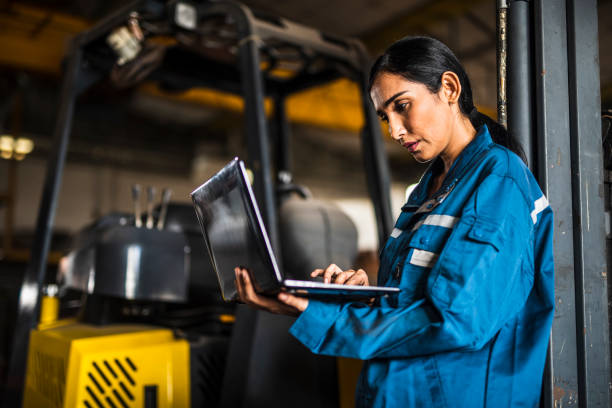
India has made significant progress in improving women’s access to education over the past decade. Female enrolment in schools, higher education, and professional courses has steadily increased, and women are entering fields once considered traditionally male-dominated. However, one critical area continues to reflect a stark gender disparity—Industrial Training Institutes (ITIs), particularly engineering trades.
According to a recent NITI Aayog report, women account for only 3.7% of enrolments in engineering trades at ITIs, revealing a substantial gender gap in vocational and technical education. While non-engineering trades witness comparatively higher female participation, engineering disciplines such as electrician, fitter, machinist, welder, and mechanic continue to attract very few women.
The findings underscore an important challenge for India’s ambitions of becoming a global manufacturing and skilled workforce hub: gender inclusion in vocational education remains far from adequate.
1. What Does the NITI Aayog Report Reveal?
Key Findings
The report highlights that:
- Women represent just 3.7% of students enrolled in engineering trades at ITIs.
- Female participation is significantly higher in non-engineering vocational trades such as dress designing, cosmetology, secretarial practice, and healthcare-related courses.
- Engineering trades continue to be overwhelmingly dominated by male students despite growing demand for skilled technicians.
Key Takeaway
The data indicates that India’s vocational education ecosystem has yet to achieve gender balance in technical skill development, particularly in industrial occupations.
2. Why Are Women Underrepresented in Engineering Trades?
The low enrolment is not attributed to a single factor but to a combination of social, educational, institutional, and workplace challenges.
A. Persistent Gender Stereotypes
Engineering trades are often viewed as physically demanding and traditionally suited for men. Such perceptions discourage many girls from considering technical vocational careers, even when they have the aptitude and interest.
Key Insight
Career choices are frequently influenced by societal expectations rather than individual potential, limiting opportunities for young women.
B. Limited Career Awareness
Many students and parents remain unaware of the career opportunities available after completing engineering trade courses.
Common misconceptions include:
- Limited job prospects
- Low salary expectations
- Lack of career progression
In reality, skilled technicians are increasingly in demand across manufacturing, renewable energy, electronics, automotive, and infrastructure sectors.
C. Infrastructure and Safety Concerns
Several ITIs still face challenges such as:
- Inadequate hostel facilities for female students
- Limited sanitation infrastructure
- Transportation difficulties
- Safety concerns in industrial training environments
These practical barriers often discourage enrolment, especially from rural areas.
D. Industry Representation
The absence of women in technical workplaces creates a cycle where young girls have fewer role models in engineering trades, making these careers appear less accessible.
3. Why Women’s Participation in ITIs Matters
Increasing female enrolment in engineering trades is not merely an issue of educational equity—it is also an economic necessity.
Meeting India’s Skilled Workforce Demand
India’s manufacturing, infrastructure, and technology sectors require a growing pool of technically trained professionals.
Greater participation by women can help:
- Address skilled labour shortages.
- Improve workforce diversity.
- Enhance productivity and innovation.
Supporting the ‘Make in India’ Vision
Government initiatives such as:
- Make in India
- Skill India Mission
- PM Vishwakarma
- National Education Policy (NEP) 2020)
all emphasize strengthening vocational education. Achieving these goals requires greater participation from women in technical fields.
Economic Empowerment
Technical skills often provide:
- Stable employment opportunities
- Better earning potential
- Greater financial independence
- Enhanced social mobility
Expanding access to engineering trades can contribute to long-term economic empowerment for women.
4. Government Initiatives to Improve Gender Inclusion
Several national programmes already seek to encourage women’s participation in skill development.
Existing Measures Include
- Women-focused skill development programmes.
- Scholarships and financial assistance.
- Dedicated hostels in select institutions.
- Industry partnerships promoting inclusive hiring.
- Awareness campaigns encouraging girls to pursue STEM education.
However, experts believe these efforts need broader implementation and stronger coordination between educational institutions and industry.
5. Challenges That Still Need Attention
Despite policy support, significant hurdles remain.
Institutional Challenges
- Limited availability of women-friendly infrastructure.
- Inadequate career counselling.
- Shortage of female instructors in technical trades.
Social Challenges
- Traditional career expectations.
- Family concerns regarding workplace safety.
- Low visibility of successful women technicians.
Industry Challenges
- Gender imbalance in manufacturing jobs.
- Limited workplace flexibility in some sectors.
- Need for more inclusive recruitment practices.
6. What Can Be Done to Increase Women’s Participation?
Experts suggest a multi-pronged approach.
Career Awareness at School Level
Introducing vocational career guidance during secondary education can help students make informed choices.
Improved Infrastructure
Institutions should invest in:
- Safe campuses
- Hostel facilities
- Transportation support
- Modern laboratories
Industry Collaboration
Employers can encourage participation by:
- Offering internships
- Creating mentorship programmes
- Promoting women in technical leadership roles
Changing Social Perceptions
Highlighting success stories of women technicians and engineers can inspire more girls to consider vocational careers.
7. Broader Implications for India’s Economy
Closing the gender gap in ITI engineering trades would have far-reaching benefits.
Potential Outcomes
- Larger skilled workforce
- Higher female labour force participation
- Increased industrial productivity
- Stronger economic growth
- Greater gender equality in technical professions
Countries with more diverse technical workforces often experience higher innovation and better workforce resilience.
Conclusion: Inclusive Skill Development Is the Need of the Hour
The finding that women account for only 3.7% of engineering trade enrolments at ITIs serves as an important reminder that access to education alone is not enough—equal participation across all fields of learning is equally important.
As India advances towards becoming a global manufacturing and innovation hub, expanding women’s participation in technical and vocational education must become a national priority. Achieving this will require coordinated efforts from policymakers, educational institutions, industry leaders, and society to remove barriers, challenge stereotypes, and create an environment where every student can pursue technical careers based on interest and ability rather than gender.
Bridging this gap will not only promote gender equality but also strengthen India’s skilled workforce and contribute to long-term economic growth.