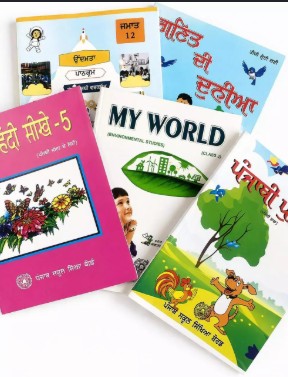
In a significant move to bring transparency and affordability to school education, the Punjab government has announced that the Punjab School Education Board (PSEB) will now directly supply textbooks to private schools.
The decision, announced by Education Minister Harjot Singh Bains, is aimed at curbing the long-standing issue of overpricing and exploitation in private school book sales.
What the New Policy Says
Under the new system:
- PSEB will publish and distribute textbooks directly
- Private schools will be required to procure books only through official channels
- The move ensures uniform pricing across the state
This eliminates the practice where private schools mandate costly, non-standard books, often sold through selected vendors at inflated prices.
Why This Reform Was Needed
For years, parents have raised concerns about:
- High cost of textbooks in private schools
- Lack of transparency in book selection
- Mandatory purchase from specific sellers
Many schools prescribed private publishers’ books, increasing financial pressure on families.
The government’s intervention aims to standardise content and pricing, ensuring fairness.
Key Objectives of the Policy
✅ Curb Overpricing
Ensure books are sold at regulated, affordable rates
✅ Increase Transparency
Eliminate hidden commissions and vendor monopolies
✅ Promote Standardisation
Encourage use of uniform syllabus-aligned textbooks
✅ Protect Parents’ Interests
Reduce unnecessary financial burden
Impact on Private Schools
Private schools will now:
- Have limited discretion in prescribing external books
- Need to align with PSEB-approved materials
- Follow government-regulated pricing structures
While this may reduce flexibility for schools, it ensures greater accountability in academic resources.
Relief for Parents
The move is expected to bring significant relief to parents, especially those from middle- and lower-income groups.
Benefits include:
- Lower education expenses
- Easy availability of books
- Elimination of forced purchases from specific shops
Broader Education Reform Context
This decision aligns with wider trends in India’s education policy:
- Increasing government oversight in private education
- Focus on affordability and accessibility
- Efforts to regulate commercialisation of schooling
Several states have recently taken similar steps to address rising education costs.
Challenges Ahead
Despite its benefits, implementation may face challenges:
- Resistance from private schools
- Logistical issues in large-scale book distribution
- Ensuring timely delivery before academic sessions
Effective execution will be key to the policy’s success.