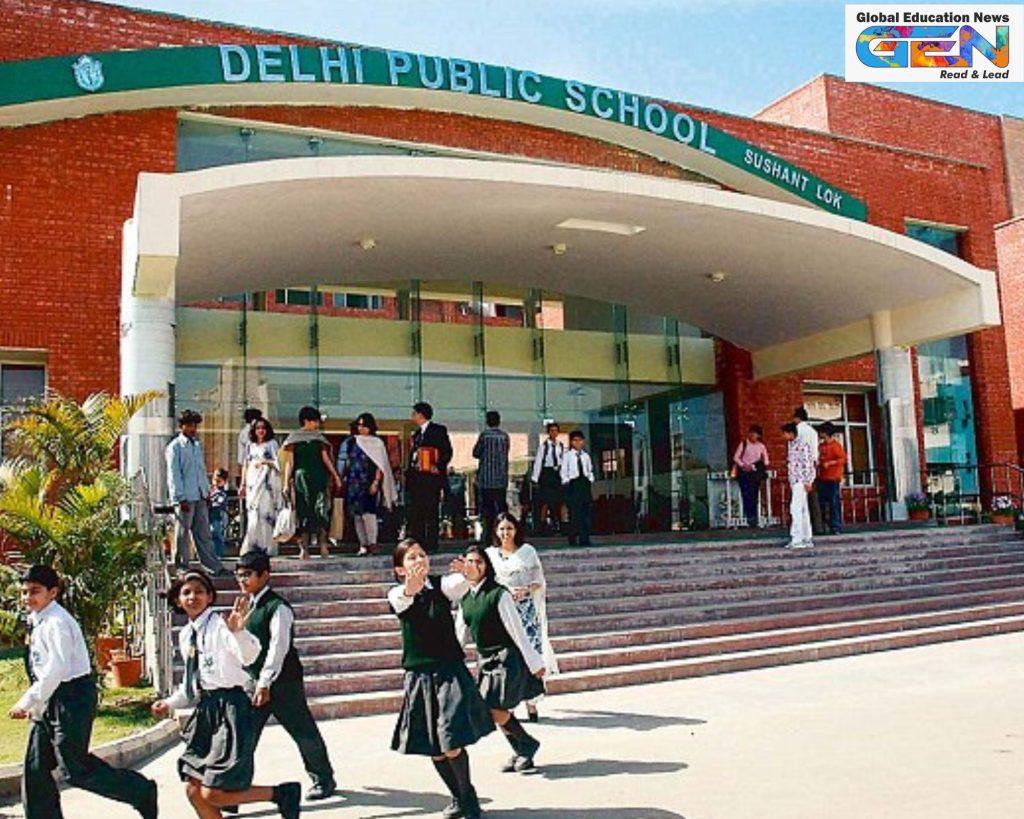
In the heart of India’s bustling capital, where classrooms often double as battlegrounds for space and attention, the Delhi government is charting a course to reclaim quality from quantity. On December 30, 2025, the Directorate of Education unveiled a ambitious plan to phase out double-shift operations in 284 government schools, transforming them into single-shift havens by 2029. This isn’t just about merging morning and evening sessions—it’s a strategic overhaul to slash overcrowding, extend instructional time, and elevate academic performance to international standards. With 799 school buildings straining under 3 lakh+ students, the initiative promises smarter classrooms, modern labs, and sports facilities, all while adhering to the Right to Education (RTE) Act’s student-classroom ratio norms. As Education Minister Atishi Marlena gears up for Vidhan Sabha discussions, this reform echoes NEP 2020’s call for holistic, equitable education. But with land hunts and infrastructure hurdles in play, will Delhi deliver on its promise? This analysis breaks down the blueprint, benefits, bottlenecks, and what it means for the city’s young learners.
The Double-Shift Crunch: Why Delhi’s Schools Are Bursting at the Seams
Delhi’s government schools, once symbols of accessible education, have morphed into high-density hubs where double shifts—morning for girls or co-ed, evenings for boys—have become the norm. Of 799 buildings, 284 (over a third) run dual operations, a stopgap born from exploding enrolments post-2015’s free education push. Yet, this model has cracks: Evening-shift boys’ schools lag with 95.33% Class 10 pass rates (2024 data) versus 98.19% in single-shift setups, and a qualitative index of 299.67 average marks trails co-ed’s 321.28.
- Root Causes: Overcrowding defies RTE’s 1:30 ratio; limited instructional hours (4-5 vs. 6-7 in singles); teacher burnout from back-to-back batches.
- Performance Penalty: Evening schools’ 95.96% Class 12 pass rate pales against 98.07% co-ed; the shift’s isolation hampers holistic growth.
- Historical Hiccup: A 2021 AAP directive explored conversions, but infrastructure lags stalled progress—now revived with 70 vacant plots identified.
As an official quipped, “Double shifts limit time for studies and add teacher pressure—singles let us conduct activities effectively.” The 2025 plan targets this pain point, aiming for 50 new schools by 2029 (10 annually).
The Phased Plan: From Proposal to Playgrounds by 2029
The Directorate’s roadmap is methodical: Discuss in the upcoming Vidhan Sabha session, then roll out in waves, leveraging unused land and fresh builds for seamless transitions.
- Timeline Breakdown:
- 2026: Feasibility assessments; construct 10 pilot schools; shift 50 double-shift buildings.
- 2027-28: Scale to 20 schools/year; retrofit 100+ with smart tech and labs.
- 2029: Full conversion; integrate sports halls, libraries, and eco-upgrades.
- Infrastructure Arsenal: New builds with smart classrooms, modern teaching aids, trained faculty; repurpose existing campuses’ idle spaces for multi-purpose halls.
- Student Shuffle: Evening boys absorb into morning co-ed or new singles; no mid-year disruptions.
| Phase | Focus | Targets | Enablers |
|---|---|---|---|
| Short-Term (2026) | Pilots & Assessments | 10 schools; 50 shifts merged | 70 vacant plots; district proposals. |
| Mid-Term (2027-28) | Scale & Retrofit | 40 schools; 150 shifts | ₹1,000 crore budget; tech tenders. |
| Long-Term (2029) | Full Integration | 50 schools total; all singles | Sports/lib labs; teacher hires (5,000). |
This blueprint isn’t blueprint-blue—it’s a bid to match private schools’ polish, per officials: “Our goal: Not more schools, but world-class quality.”
Benefits: From Better Marks to Brighter Futures
The shift promises a ripple of relief, turning cramped corridors into creative canvases.
- Academic Uplift: Extended hours for clubs, labs, and revisions; projected 2-3% pass rate rise, closing evening-single gaps.
- Holistic Health: Reduced fatigue from split days; more time for sports/nutrition, tackling 15% obesity in Delhi kids.
- Equity Edge: Co-ed mornings foster gender balance; RTE compliance boosts EWS confidence.
- Parental Perk: Single shifts ease pickups, aligning with working parents’ 9-5 grind.
Officials envision: “Singles will raise education to global levels, building parent trust.”
Challenges: Land, Logistics, and the Leap of Faith
No reform is reform-proof—Delhi’s density demands deft handling.
- Land Lock: 70 plots are a start, but space-starved east Delhi needs miracles; vertical builds or PPPs eyed.
- Transition Turbulence: Merging 1 lakh+ evening boys without clashes; counseling and phased intakes key.
- Budget Bind: ₹1,500 crore projected; funding via 15th Finance Commission, but delays loom.
- Teacher Toll: 10,000 new hires needed; NEP training for 5,000 by 2027.
Mitigations: District blueprints by February 2026; public-private pilots in 20 schools.
NEP Alignment: A Step Toward India’s Inclusive Classrooms
This single-shift saga syncs with NEP 2020’s equity ethos: Flexible timings, vocational weaves, and tech tools for 1 crore Delhi learners. It echoes Tamil Nadu’s 2025 lab upgrades, positioning Delhi as a reform frontrunner. Challenges aside, success could inspire 10 states with similar doubles.