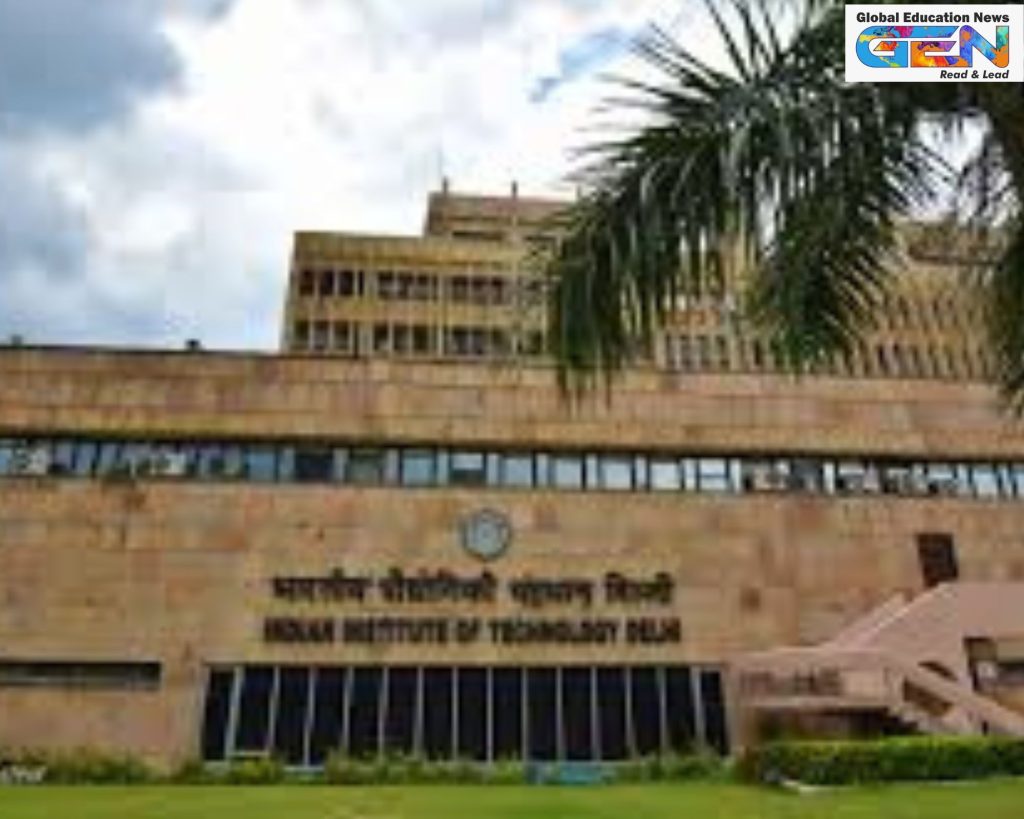
As of December 26, 2025, India’s higher education landscape is poised for another international leap, with the Union government confirming receipt of proposals from Bhutan and Morocco to host offshore campuses of the prestigious Indian Institutes of Technology (IITs). This development, building on the operational success of IIT Madras’s Zanzibar campus and IIT Delhi’s Abu Dhabi outpost, underscores the National Education Policy (NEP) 2020’s vision of positioning India as a global knowledge hub. Amidst a surge in outbound student mobility—over 1.3 million Indian students abroad in 2025—these bids reflect reciprocal interest from partner nations seeking IIT’s renowned STEM expertise. Yet, while promising enhanced collaborations, the proposals raise questions on feasibility, funding, and equity. This analysis dissects the announcements, historical precedents, strategic imperatives, hurdles, and prospective timelines, drawing on official insights to evaluate their role in elevating India’s soft power through education.
The Announcement: Formal Bids from Strategic Partners
The proposals mark a proactive outreach from Bhutan and Morocco, two nations with deepening ties to India—Bhutan as a longstanding neighbor and Morocco as an emerging North African ally in trade and renewable energy pacts. A senior government official revealed: “We have received requests from multiple countries, including Bhutan and Morocco, for the setting up of IIT’s offshore campuses,” signaling early-stage interest without firm commitments.
- Bhutan’s Proposal: Aligned with India’s “Neighborhood First” policy, this could leverage shared Himalayan ecosystems for programs in sustainable engineering and environmental sciences, potentially in Thimphu or Paro.
- Morocco’s Proposal: Fits the India-Morocco Joint Commission framework, focusing on solar tech and agri-innovation, with Rabat or Casablanca as viable hubs given Morocco’s 2025 renewable energy targets.
- Broader Interest: A third campus is in talks for West Africa (Suleja, Nigeria), indicating a diversified geographic strategy beyond Asia and the Middle East.
These bids arrive as IITs report 15% growth in international applications, per 2025 data, amplifying the appeal of hybrid on-campus models.
Existing Framework: Lessons from Zanzibar and Abu Dhabi
India’s overseas IIT experiment, formalized under NEP 2020, provides a tested blueprint. A 17-member committee, chaired by former ISRO chief Dr. K. Radhakrishnan, submitted recommendations in 2022 to streamline expansions, emphasizing self-sustaining models with 50-50 revenue sharing between host and home institutions.
| Campus | Host IIT | Launch Date | Key Milestones | Enrollment (2025 Est.) |
|---|---|---|---|---|
| Zanzibar, Tanzania | IIT Madras | November 2023 (temp. ops) | First woman director (Preeti Aghalyam); BS/MS in data science, CS | 200+ students; 20% African intake |
| Abu Dhabi, UAE | IIT Delhi | September 2, 2024 | Formal UAE pact; focus on AI, robotics | 150 students; 30% Gulf nationals |
| Proposed West Africa | TBD | 2026 (target) | Suleja academy partnership; emphasis on energy engineering | Projected 300 students |
- Operational Insights: Zanzibar’s temporary facility has transitioned to full curricula, yielding 25% research collaborations with African unis; Abu Dhabi’s Khalifa City site integrates UAE’s Vision 2031 tech goals.
- IIM Precedent: IIM Ahmedabad’s Dubai campus (launched 2024) at Dubai International Academic City demonstrates management education’s viability, with 100+ enrollees and 40% ROI via alumni networks.
These models highlight scalability, but adaptations for Bhutan (geo-climatic focus) and Morocco (francophone integration) will be crucial.
Strategic Benefits: Amplifying India’s Educational Soft Power
The proposals align with NEP’s internationalization pillar, potentially adding 1,000+ global seats by 2027 and boosting IITs’ QS rankings (India’s top 10 unis climbed 20 spots in 2025).
- Academic and Research Gains: Joint programs could spawn 50+ co-authored papers annually in niche areas like Bhutan’s hydro-power tech or Morocco’s desalination innovations, per projected synergies.
- Economic Dividends: Revenue from fees (₹20-30 lakhs/year per student) and alumni remittances; enhanced trade ties, as seen with UAE’s $10 billion investments post-Abu Dhabi launch.
- Equity and Mobility: Attracts 40% non-Indian students, fostering diversity; reverse flow of talent back to India via alumni networks, supporting “Study in India” campaign’s 50,000 foreign enrollee target.
- Diplomatic Leverage: Strengthens Quad-like partnerships in the Global South, positioning IITs as “knowledge bridges” amid US-China edtech rivalries.
Analytically, these campuses could elevate India’s GER to 35% by 2030, with 10% from international cohorts.
Challenges and Risks: Navigating Geopolitical and Operational Hurdles
While visionary, expansions face multifaceted barriers, inferred from prior rollouts and regional contexts.
- Regulatory and Funding Gaps: Host-country approvals (e.g., Bhutan’s monastic land laws) could delay by 12-18 months; 60-70% reliance on central seed funding (₹100-200 crore per campus) strains budgets.
- Talent and Infrastructure: Sourcing 50+ IIT faculty for overseas roles risks brain drain; Morocco’s 30% English proficiency may necessitate bilingual curricula, hiking setup costs by 15%.
- Equity Concerns: Prioritizing affluent partners like UAE over LDCs; potential for “elite enclaves” excluding local underprivileged students, as critiqued in 2024 Zanzibar audits.
- Geopolitical Sensitivities: Bhutan’s China border dynamics and Morocco’s Western Sahara disputes could politicize sites, requiring neutral MoUs.
Mitigation via the 2022 committee’s framework—emphasizing 70% local hiring and IP-sharing—is essential to avert pitfalls.
Government Response and Timelines: From Proposal to Plausibility
The Ministry of Education’s acknowledgment is cautious, with no approvals yet; a feasibility study, mirroring Abu Dhabi’s 6-month pact process, is likely next.
- Immediate Steps: Inter-ministerial review by Q1 2026, involving MEA for diplomatic vetting.
- Projected Timeline: MoUs by mid-2026; groundbreaking 2027; full operations 2028-29, aligning with IITs’ 2030 internationalization roadmap.
- Stakeholder Input: Consultations with IIT councils and host ambassadors; potential pilot with Bhutan’s existing India-Bhutan scholarship exchanges (500 slots in 2025).
Officials hint at “multiple countries” in queue, suggesting a phased rollout to manage 4-5 campuses by 2030.