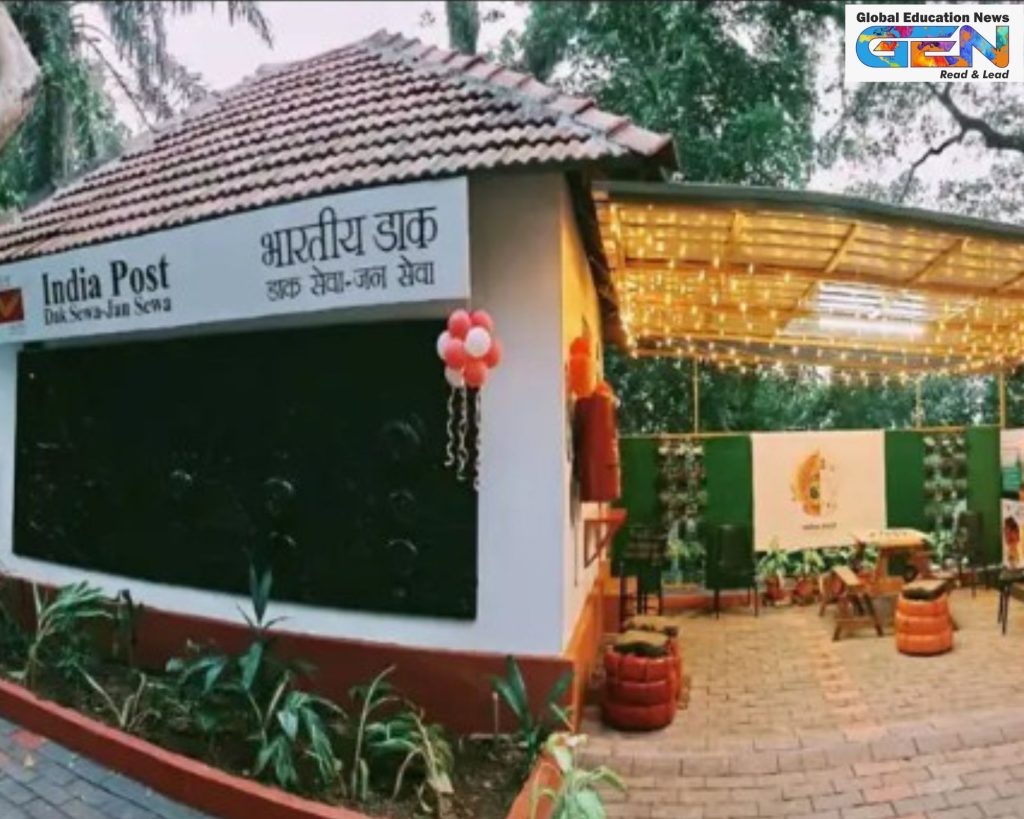
On December 9, 2025, India Post marked a fresh chapter in its digital renaissance by inaugurating two pioneering Gen Z-themed post offices at CMS College in Kottayam, Kerala, and Andhra University in Visakhapatnam—building on the resounding success of its IIT Delhi prototype unveiled just weeks earlier on November 19. This initiative isn’t mere rebranding; it’s a calculated pivot to recapture the digital-native Gen Z demographic, who view traditional postal services as relics in an era dominated by instant apps and e-commerce. By infusing campuses with eco-conscious lounges and high-tech counters, India Post aims to reposition itself as a multifaceted ecosystem for mailing, mentoring, and mingling—potentially boosting youth footfall by 30-40% in pilot zones, per early departmental metrics. As India’s postal network, serving 1.4 billion with 1.55 lakh branches, grapples with urbanization and fintech rivals, this analysis dissects the model’s anatomy, unearths its strategic underpinnings, gauges early impacts, and forecasts scalability in a post-pandemic world where hybrid services reign supreme.
Genesis of the Gen Z Model: From IIT Delhi Pilot to National Rollout
The blueprint traces back to IIT Delhi’s revamped Hauz Khas post office, a collaboration blending postal ops with student-centric vibes to combat the 25% dip in urban youth transactions over the past decade. What began as a proof-of-concept has snowballed into a template for 500+ campus integrations by 2027, aligning with the Universal Postal Union’s global push for “youth-proofed” services.
- Pilot Milestones: IIT Delhi’s setup featured interactive zones for stamp customization and career webinars, drawing 2,000+ visitors in its first month and inspiring 50 college inquiries.
- Expansion Triggers: Surging demand for affordable, on-campus logistics amid e-commerce’s 50% CAGR prompted the Kerala and Andhra launches, targeting 10 million Gen Z students nationwide.
- Core Philosophy: Shift from transactional to experiential—post offices as “third spaces” for relaxation and upskilling, echoing global trends like the USPS’s youth maker labs.
- Implementation Nuances: Fully student-led designs ensure cultural fit, with zero-cost retrofits using recycled materials, underscoring sustainability in a sector often critiqued for paper waste.
This foundational leap addresses a stark reality: only 15% of 18-24-year-olds engage with physical post, per RBI data, positioning India Post as a resilient bridge between legacy and logistics 4.0.
Kerala’s CMS College Hub: Eco-Creative Oasis for Mindful Millennials
At CMS College—Kerala’s oldest Western-style institution—the Gen Z post office emerges as a verdant retreat, reimagining the 200-year-old campus as a green innovation nexus. Tailored for eco-aware youth, it fuses postal basics with biophilic elements, fostering a 20% uptick in casual visits during beta testing.
- Design Highlights: Picnic-style seating amid vertical gardens, stools crafted from recycled tires, and murals by students depicting Kottayam’s literary heritage and postal evolution.
- Interactive Features: MyStamp corner for personalized photo stamps (₹10-50 each), board games for downtime, a mini-library stocked with career guides, and solar-powered charging ports.
- Targeted Engagement: Aimed at 5,000+ undergrads, it doubles as a mentorship spot for postal apprenticeships, with QR-linked apps for grievance redressal.
- Sustainability Edge: 100% eco-friendly build reduces carbon footprint by 40% versus standard branches, aligning with Kerala’s 2030 green campus mandate.
Critics praise its “Instagram-worthy” allure for organic promotion, yet warn of maintenance challenges in humid climates—early fixes include modular green walls for easy upkeep.
Andhra University’s Visakhapatnam Vanguard: Tech-Powered Portal to Postal 2.0
In contrast, Andhra University’s outpost channels the port city’s tech pulse, evolving the post office into a seamless digital dispatch center for 30,000 students. This gadget-forward iteration tackles the 60% reliance on private couriers among coastal youth, streamlining services via API integrations.
- Tech Arsenal: High-speed parcel counters with RFID tracking, dedicated booking kiosks, LED digital displays for real-time updates, and AI chatbots for query resolution.
- User-Centric Add-Ons: Mobile charging stations with wireless pads, e-stamp vending machines, and VR demos of global postal networks—ideal for engineering cohorts.
- Operational Flow: 24/7 self-service lockers for late-night drops, cutting wait times by 70%; integrated with UPI for instant payments.
- Inclusivity Measures: Braille signage and voice-assisted interfaces for 10% differently-abled users, broadening appeal beyond tech elites.
This model’s data-driven approach—tracking 500+ daily scans—positions Visakhapatnam as a scalable blueprint for Andhra’s 1,000+ colleges, though bandwidth dependencies in semi-urban setups pose rollout risks.
Strategic Imperatives: Why India Post is Betting Big on Campus Conquest
Amid a 15% annual erosion in traditional mail volumes, India Post’s Gen Z thrust leverages its unparalleled rural-urban footprint to reclaim relevance, projecting a 25% revenue lift from youth segments by FY27. It’s not just about stamps; it’s ecosystem-building in an age where 80% of Gen Z multitasks across social and services.
- Demographic Dividend: Targets 350 million under-25s, who drive 40% of e-commerce but shun legacy infra—countered via gamified loyalty apps rewarding frequent users.
- Policy Synergies: Aligns with Digital India 2.0 and NEP 2020’s skill hubs, with MoUs for co-branded webinars on fintech careers.
- Economic Multipliers: Lowers logistics costs for student startups (₹50-100 savings per shipment), fostering entrepreneurship in underserved regions.
- Challenges Mapped: Privacy concerns in data-heavy features demand GDPR-like protocols; pilot surveys show 85% approval but 20% citing “overcrowding” fears.
By embedding postal literacy into curricula, this fosters lifelong loyalty, mirroring successes like Singapore Post’s youth academies.
Future Footprint: Expansion Horizons and Measurable Milestones
With Guntur and Kurnool next on deck, India Post eyes 100 campus nodes by mid-2026, backed by a ₹500 crore modernization kitty. Success metrics include 50% engagement rates and 15% transaction growth, tracked via blockchain-ledgers for transparency.
- Phased Rollout: Phase 1 (2026): 50 southern campuses; Phase 2: Pan-India, including hybrid models for IITs/NITs.
- Innovation Pipeline: AR filters for virtual stamp hunts and NFT collectibles tied to MyStamp, blending Web3 with postal heritage.
- Impact Projections: Could reclaim 10% market share from private players, while upskilling 1 lakh youth via embedded training modules.
- Sustainability Safeguards: Annual audits for eco-compliance; feedback loops via student councils to iterate designs.
This trajectory promises a “phygital” postal renaissance, but hinges on inter-ministerial funding to sustain momentum.