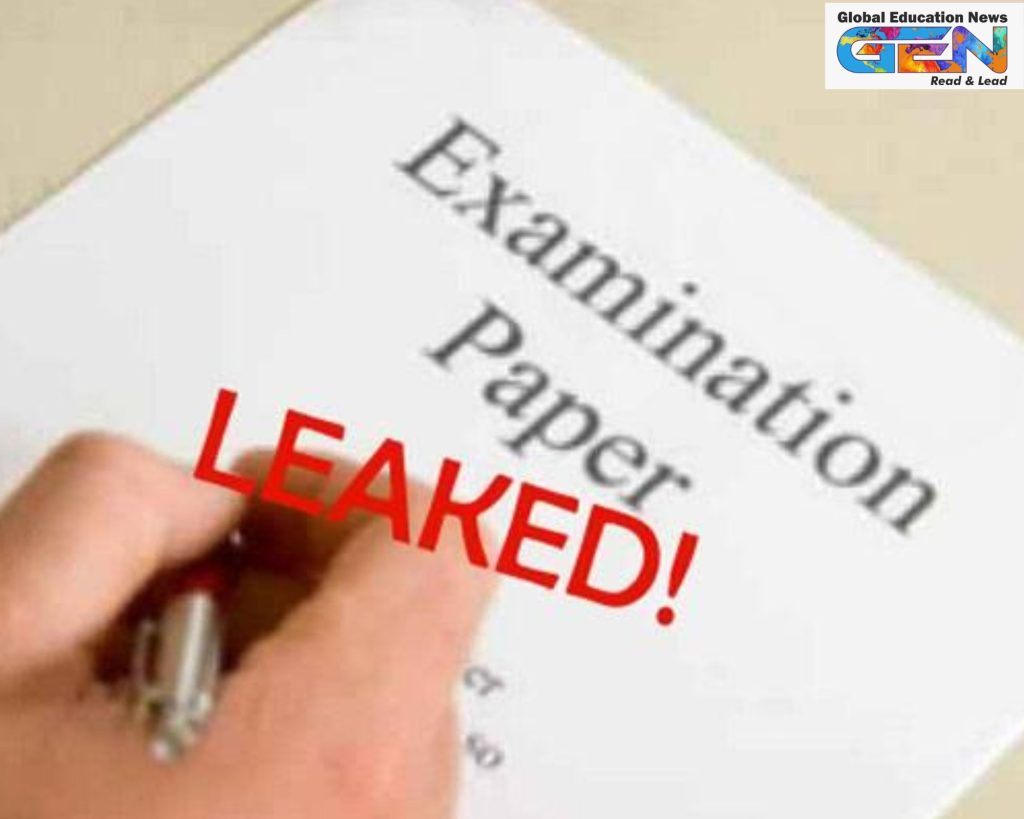
On August 28, 2025, the Rajasthan High Court, under Justice Sameer Jain, annulled the 2021 Sub-Inspector (SI) Recruitment Exam conducted by the Rajasthan Public Service Commission (RPSC) for 859 posts, citing a massive paper leak scandal. The decision follows years of protests, legal battles, and an investigation by the Special Investigation Team (SIT) and Special Operations Group (SOG), which uncovered widespread fraud, including the sale of exam papers for ₹15-20 lakh. With 125 arrests, including 54 trainee SIs and RPSC members, the ruling marks a significant crackdown on recruitment scams. Here’s a comprehensive look at the scandal, the court’s decision, and its implications for aspirants and India’s education ecosystem.
Key Points:
- Rajasthan High Court cancels 2021 SI exam due to paper leak fraud.
- SIT and SOG arrested 125 individuals, including 54 trainee SIs and RPSC members.
- 859 posts to be merged into 2025 recruitment, allowing candidates to reapply.
The Paper Leak Scandal: A Deep-Rooted Conspiracy
The 2021 SI Recruitment Exam, held from September 13-15, 2021, attracted 7.97 lakh applicants, with 3.8 lakh candidates appearing for 859 Sub-Inspector and Platoon Commander posts. Allegations of irregularities surfaced soon after, with evidence pointing to a leaked exam paper circulated across Rajasthan. The SIT, formed by the Bhajan Lal Sharma-led BJP government, and the SOG confirmed the paper was leaked in Jaipur, sold for ₹15-20 lakh, and distributed through a network involving coaching centers, brokers, and even RPSC insiders.
Key findings include:
- Widespread Fraud: Dummy candidates, Bluetooth gangs, and paper mafia brokers facilitated cheating, with the paper leaked 35 days in advance.
- High-Profile Arrests: Over 125 individuals were arrested, including 54 trainee SIs, RPSC members Ramu Ram Raika, Purushottam Dadhich, Sandeep Kumar Lata, and Kundan Kumar Pandya, as well as a former Chief Minister’s PSO, Rajkumar Yadav, and his son.
- Systemic Involvement: Six RPSC members were implicated, with evidence of internal collusion, prompting the court to refer their conduct to a division bench.
The scandal’s scale, described as one of Rajasthan’s largest recruitment scams, led to the dismissal of several trainee SIs from police service and fueled public outrage.
Key Points:
- Exam paper leaked in Jaipur, sold for ₹15-20 lakh to candidates.
- 125 arrests include 54 trainee SIs, RPSC members, and coaching operators.
- Six RPSC members’ involvement prompts further judicial scrutiny.
The High Court’s Ruling: Justice Prevails
Justice Sameer Jain’s verdict on August 28, 2025, declared the exam “tainted by illegality and fraud,” noting that the paper’s widespread circulation made it “impossible to separate honest from dishonest candidates.” The court rejected the state government’s argument that cancellation was “premature” pending the SIT’s probe, emphasizing that even one fraudulent SI could destabilize law and order. Key aspects of the ruling include:
- Exam Cancellation: The entire 2021 SI recruitment process was scrapped, overturning the state’s cabinet sub-committee’s July 2024 recommendation to preserve the exam.
- Merger with 2025 Recruitment: All 897 posts (including additional vacancies) will be included in the 2025 recruitment drive, allowing affected candidates to reapply.
- Strong Deterrence: The court criticized the state’s inaction and warned that unchecked fraud could erode public trust in recruitment systems.
The decision followed multiple hearings, with a status quo ordered on January 9, 2025, halting trainee SI appointments and training after protests by aspirants and MP Hanuman Beniwal.
Key Points:
- Justice Sameer Jain cancels exam due to “conspicuous fraud.”
- 897 posts merged into 2025 recruitment; candidates can reapply.
- Ruling aims to deter future scams and restore faith in exams.
Political and Social Fallout: A Contentious Issue
The SI exam scandal was a flashpoint in Rajasthan’s 2023 assembly elections, with both BJP and Congress governments facing criticism. The BJP, under CM Bhajan Lal Sharma, initially resisted cancellation, arguing the SIT could segregate tainted candidates. However, Agriculture Minister Kirodi Lal Meena, a vocal advocate for cancellation, hailed the verdict as a “victory of truth,” alleging over 50% of selected candidates (500+) were fraudulent, far beyond the 58 identified by the government.
Aspirants protested for years, with demonstrations at Jaipur’s Shahid Smarak and support from MP Hanuman Beniwal, who demanded justice. Social media posts on X reflected ongoing agitation, with candidates vowing to continue protests until the ruling was finalized. The scandal has sparked broader calls for exam integrity reforms, with parallels to other paper leaks like NEET-UG 2024.
Key Points:
- Scandal fueled political debates in 2023 elections.
- Kirodi Lal Meena claims over 500 fraudulent candidates, calls for justice.
- Aspirants’ protests and social media campaigns drove public pressure.
Implications for Aspirants and the Education Ecosystem
The cancellation affects 3.8 lakh candidates, offering relief to honest aspirants but frustration for those who cleared the exam fairly. The merger of 897 posts into 2025 recruitment ensures opportunities remain, but delays may strain candidates’ finances and morale. The scandal also highlights systemic issues in India’s recruitment processes, with parallels to the UGC LOCF debate and Tamil Nadu’s alumni initiative, where trust in public institutions is critical.
For MSMEs, which often rely on educated youth for skilled roles, the disruption in police recruitment underscores the need for robust training systems. The India Faces Severe GenAI Talent Crunch report notes a 53% AI talent gap by 2026, suggesting that exam fraud could further erode trust in skill certification, impacting small businesses seeking reliable talent.
Key Points:
- 3.8 lakh candidates impacted; 897 posts merged into 2025 recruitment.
- Delays frustrate aspirants but offer a chance for fair re-examination.
- Exam fraud undermines trust, with ripple effects on MSME hiring.
Lessons from Other Initiatives: Strengthening Education Systems
The Rajasthan SI scandal parallels other 2025 education reforms aimed at trust and efficiency:
- Tamil Nadu’s Alumni Ambassadors: Engaging alumni to mentor students and fund government schools could inspire community oversight of exams.
- UP’s Atal Residential Schools: Digital monitoring via ERP systems offers a model for transparent recruitment processes.
- CBSE’s Two-Board Policy: Strict data verification for 2026 board exams highlights the need for secure systems to prevent leaks.
These initiatives suggest that technology and community involvement could deter future scams, aligning with India’s broader push for educational integrity.
Key Points:
- Tamil Nadu’s alumni model could enhance exam oversight.
- UP’s digital monitoring offers a blueprint for secure recruitment.
- CBSE’s data verification emphasizes systemic transparency.