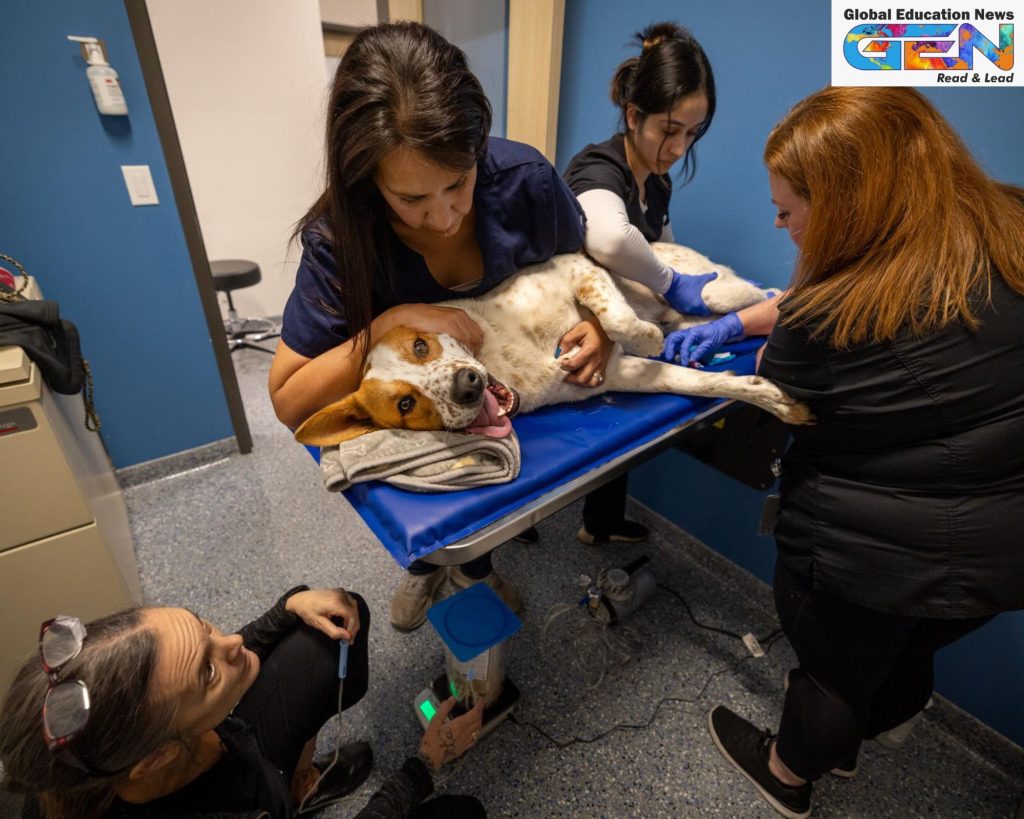
In a landmark step for animal welfare, the Government of India launched the first national guidelines for veterinary blood transfusion services on August 25, 2025. Issued by the Department of Animal Husbandry and Dairying, these guidelines address a critical gap in standardized animal healthcare, ensuring safer and more effective blood transfusions for India’s 537 million livestock and 125 million companion animals. This initiative not only enhances emergency care but also aligns with the One Health approach, linking animal, human, and environmental health. Here’s a deep dive into the guidelines, their significance, and how they’re set to transform veterinary care across India.
Why Animal Blood Banks Are a Game-Changer
Until now, animal blood transfusions in India were often performed in emergencies without proper protocols, leading to risks like adverse reactions and ineffective treatments. The new guidelines introduce a structured framework to ensure safe, ethical, and scientifically sound practices.
Key Points:
- Previous Challenges: Lack of donor screening, blood typing, and biosafety measures increased risks of transfusion reactions.
- New Standards: The guidelines mandate blood typing, cross-matching, and health verification to improve outcomes.
- Impact Areas: Trauma, anemia, surgical blood loss, and infectious diseases in animals will now be managed more effectively.
Core Features of the Guidelines
The guidelines provide a comprehensive roadmap for establishing and operating veterinary blood banks, focusing on safety, ethics, and accessibility.
Key Points:
- Scientific Blood Collection:
- Mandatory blood typing and cross-matching to ensure compatibility.
- Strict donor eligibility criteria, including health and vaccination status checks.
- Voluntary donation model supported by a Donor Rights Charter for ethical practices.
- Infrastructure Requirements:
- States must establish biosafety-compliant veterinary blood banks.
- Facilities must adhere to strict hygiene and regulatory standards for safe blood storage and handling.
- One Health Integration:
- Aligns with the One Health approach to manage zoonotic disease risks.
- Enhances public health by ensuring safer animal healthcare practices.
Insight: By standardizing blood transfusions, the guidelines reduce the risk of zoonotic diseases, protecting both animals and humans in India’s interconnected ecosystem.
Technology Driving Veterinary Innovation
The guidelines embrace modern technology to make animal blood banks efficient and accessible, especially in rural areas where veterinary care is often limited.
Key Points:
- National Veterinary Blood Bank Network:
- A digital platform with donor registries and real-time inventory tracking.
- An emergency helpline for veterinarians to access blood in critical situations.
- Innovative Solutions:
- Mobile blood collection units to reach remote areas.
- Preservation techniques for rare blood types.
- Mobile apps to connect donors with recipients seamlessly.
Education and Capacity Building
To ensure long-term success, the guidelines integrate training into veterinary education, equipping future professionals with the skills needed to implement these standards.
Key Points:
- Curriculum Updates: New modules on blood transfusion protocols added to veterinary education programs.
- Focus Areas: Training emphasizes technical skills, ethical practices, and awareness of biosafety.
- Sustainability: Building a skilled workforce to maintain and expand blood bank operations nationwide.
Insight: By embedding these guidelines in education, India is fostering a new generation of veterinarians ready to revolutionize animal healthcare.
Economic and Social Impact
India’s animal sector is a cornerstone of its economy, with 537 million livestock and 125 million companion animals contributing 5.5% to national GDP and over 30% to agricultural GDP. The guidelines will have far-reaching effects on rural livelihoods, food security, and animal welfare.
Key Points:
- Livestock Health: Improved emergency care enhances productivity in dairy and poultry industries.
- Companion Animals: Safer transfusions ensure better health outcomes for pets, strengthening human-animal bonds.
- Economic Boost: Healthier animals support rural economies and food supply chains.
Education Trends: Supporting Veterinary Aspirations
The Comprehensive Modular Survey (CMS) from the 80th National Sample Survey (2025) highlights the growing reliance on private coaching, with 27% of students seeking supplementary education, especially for competitive fields like veterinary science. Urban students (30.7%) outpace rural ones (25.5%) in coaching uptake, with urban households spending ₹3,988 annually compared to ₹1,793 in rural areas.
Key Points:
- Coaching Costs: Expenses rise to ₹9,950 for higher secondary students in urban areas, reflecting the competitive nature of veterinary entrances.
- Funding Challenges: 95% of students rely on household funding, with only 1.2% accessing government scholarships.
- Relevance: Specialized coaching in cities like Chennai and Delhi can prepare students for veterinary courses, aligning with the new guidelines’ emphasis on skilled professionals.