The Comprehensive Modular Survey (CMS), part of the 80th round of the National Sample Survey (NSS) conducted in April-June 2025, offers a revealing snapshot of India’s education system. From the dominance of government schools to the rising reliance on private coaching, the survey highlights stark contrasts in enrolment, expenditure, and educational trends across rural and urban areas. This article breaks down the key findings, enriched with insights to engage and inform readers aspiring to understand India’s evolving education landscape.
Government Schools: The Backbone of Indian Education
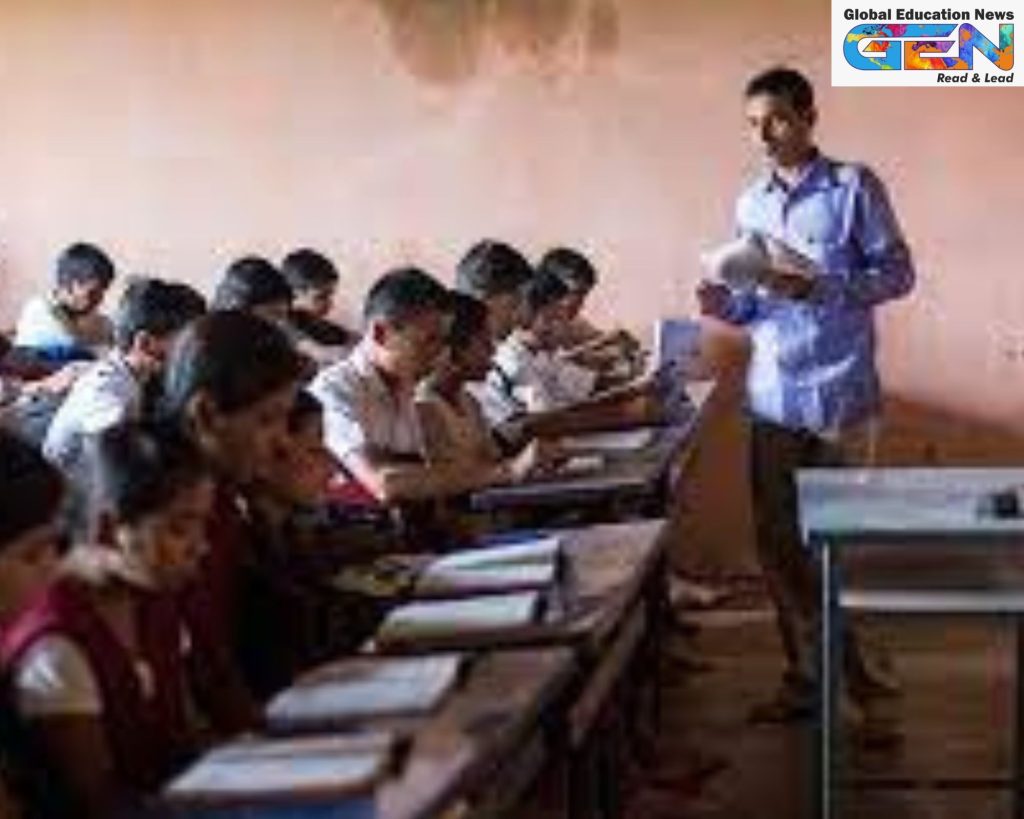
Government schools remain the cornerstone of education in India, enrolling 55.9% of students nationwide. The survey underscores their critical role, particularly in rural areas, where access to affordable education is vital.
Key Points:
- Rural Dominance: 66% of rural students attend government schools, compared to 30.1% in urban areas.
- Private Unaided Schools: Account for 31.9% of total enrolments, with higher prevalence in urban settings.
- Affordability Factor: Government schools offer education at a fraction of the cost, making them a lifeline for millions of families.
Cost of Education: Urban vs. Rural Divide
The survey reveals a staggering financial gap between government and private schools, with private school fees nearly nine times higher than those in government institutions.
Key Points:
- Average Expenditure: Households spend ₹2,863 per student in government schools versus ₹25,002 in private schools annually.
- Course Fees Lead Costs: The highest expense is course fees, averaging ₹7,111 nationally (₹15,143 in urban areas, ₹3,979 in rural areas).
- Other Expenses: Textbooks and stationery cost ₹2,002 on average, with urban households spending significantly more on transportation, uniforms, and books.
- Fee Payment Trends: Only 26.7% of government school students pay course fees, compared to 95.7% in private schools, with 98% in urban private unaided schools.
Private Coaching: A Growing Trend
The survey uncovers a significant trend: 27% of students across India rely on private coaching to supplement their education, with urban areas leading the charge.
Key Points:
- Urban vs. Rural: 30.7% of urban students take private coaching, compared to 25.5% in rural areas.
- Financial Burden: Coaching costs add to household expenses, with urban families spending ₹3,988 annually on average, versus ₹1,793 in rural areas.
- Higher Education Impact: At the higher secondary level, coaching expenses soar to ₹9,950 in urban areas and ₹4,548 in rural areas.
- Coaching Hubs: Cities like Kota and Mukherjee Nagar are renowned for preparing students for competitive exams like UPSC, NEET, and JEE.
Insight: The rise in private coaching reflects the competitive pressure of exams and the pursuit of academic excellence, but it also strains household budgets, particularly in urban centers.
Funding Education: Household Reliance
The survey highlights that 95% of students depend on household members for funding their education, underscoring limited access to alternative financial support.
Key Points:
- Household Funding: 95.3% of rural students and 94.4% of urban students rely on family funds.
- Government Scholarships: Only 1.2% of students cite scholarships as their primary funding source.
- Economic Strain: High private school and coaching costs place significant pressure on families, especially in urban areas.
Survey Methodology: A Robust Approach
Conducted by the Ministry of Statistics, the CMS surveyed 52,085 households and 57,742 students using Computer-Assisted Personal Interviews (CAPI). Its primary goal was to estimate average expenditure on school education and private coaching for the 2025-26 academic year.
Key Points:
- Scope: Focused on currently enrolled students across all education boards.
- Data Reliability: Nationwide sampling ensures accurate representation of urban and rural trends.
- Objective: To provide actionable insights for policymakers and educators to address educational disparities.