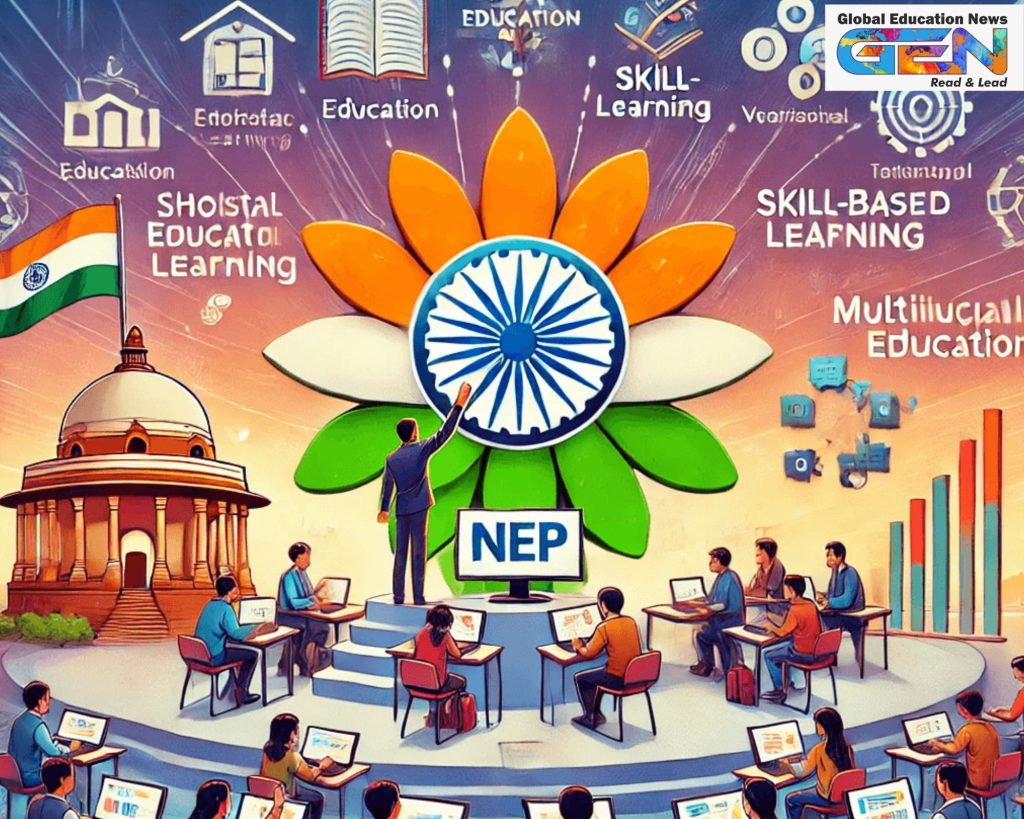
The Multiple Entry-Exit System (MEES), introduced under the National Education Policy (NEP) 2020, is reshaping India’s higher education landscape. Designed to make education more flexible and inclusive, MEES allows students to enter and exit academic programs at various stages, earning certificates, diplomas, or degrees based on accumulated credits. This innovative approach empowers students to tailor their educational journeys to their unique needs, marking a significant shift toward a student-centric system.
- Key Points:
- Introduced under NEP 2020 to enhance flexibility in higher education.
- Allows students to earn qualifications based on credit accumulation.
- Aims to make education accessible and adaptable to diverse circumstances.
The Power of Flexibility in Education
MEES introduces a “learn at your own pace” model, enabling students to pause their studies and return later without losing progress. This flexibility promotes lifelong learning, allowing individuals to resume education at different career stages, making higher education more accessible to non-traditional students.
- Key Points:
- Students can exit after one or more years and re-enter to complete their degree.
- Encourages lifelong learning by accommodating career and personal interruptions.
- Reduces barriers for students balancing education with work or family responsibilities.
Reducing Dropout Rates
One of MEES’s core objectives is to minimize dropout rates by ensuring students leave with recognized qualifications. Whether exiting after a certificate or diploma, students gain credentials that enhance employability, making higher education more rewarding and inclusive.
- Key Points:
- Provides recognized qualifications at various exit points.
- Reduces the risk of students leaving without any credentials.
- Enhances employability and value of partial academic progress.
Empowering Student Choice
MEES empowers students to make decisions based on their individual needs, fostering a sense of ownership over their education. This approach supports diverse learners, including those facing financial, personal, or professional challenges, by offering tailored academic pathways.
- Key Points:
- Allows students to customize their educational journey.
- Supports diverse learners, including working professionals and mature students.
- Promotes inclusivity by accommodating varied life circumstances.
Implementation Challenges and Solutions
While MEES holds immense potential, its success hinges on effective implementation. Clear guidelines, standardized credit systems, and alignment with global standards are essential. Challenges such as maintaining student-teacher ratios and preventing dilution of core subjects due to multidisciplinary focus must be addressed through strategic planning.
- Key Points:
- Requires precise guidelines for eligibility, credit transfer, and global alignment.
- Potential risks include disruptions to student-teacher ratios and core subject focus.
- Structured implementation strategies can mitigate these challenges.
Opportunities for a Transformative Future
MEES offers a unique opportunity to create a more inclusive and flexible higher education system in India. By addressing challenges with robust policies and infrastructure, India can set a global benchmark for student-centric education, fostering innovation and accessibility.
- Key Points:
- Positions India as a leader in flexible education models.
- Encourages innovation through multidisciplinary and lifelong learning.
- Enhances accessibility for underrepresented and non-traditional students.
Conclusion: A Bold Step Toward Inclusive Education
The Multiple Entry-Exit System under NEP 2020 is a game-changer for Indian higher education, offering flexibility, inclusivity, and reduced dropout rates. While challenges remain, a well-executed implementation plan can unlock its full potential, empowering students to shape their futures. As India embraces this transformative system, it paves the way for a more equitable and dynamic educational landscape.