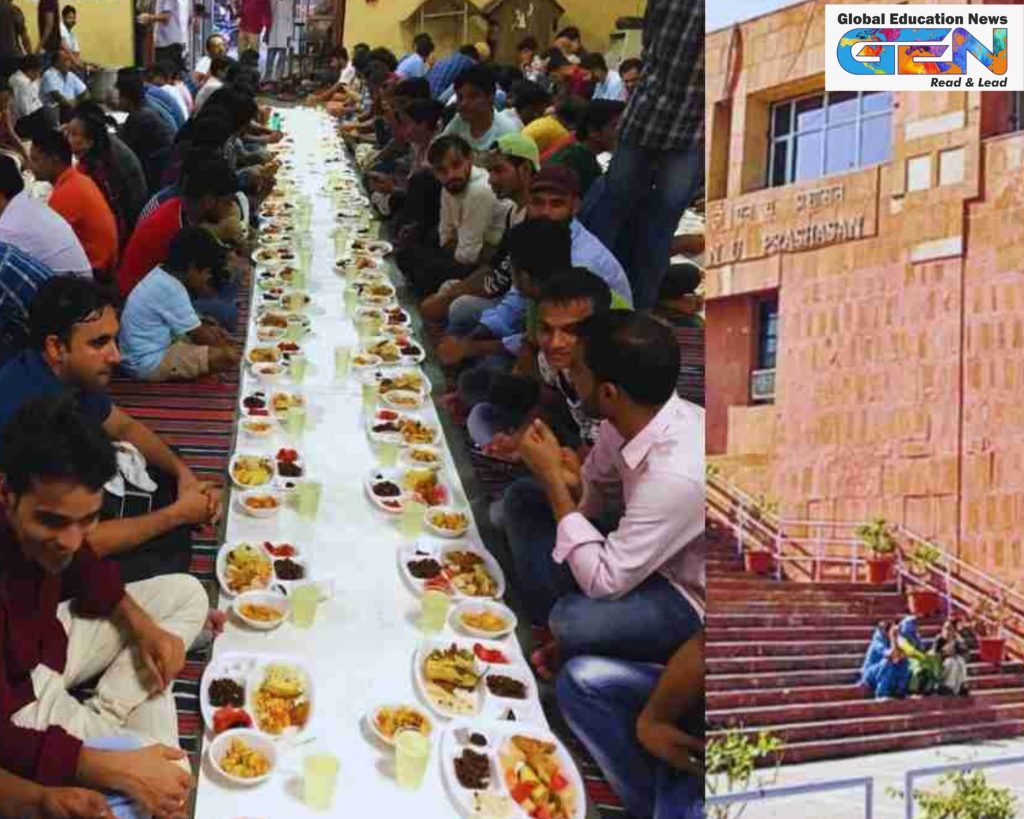
Jawaharlal Nehru University (JNU) is at the center of a heated debate following the introduction of new hostel dining rules at Mahi-Mandvi Hostel. Posters mandating separate seating arrangements for vegetarian and non-vegetarian students have sparked outrage, with the JNU Students’ Union (JNUSU) alleging the rules promote division and discrimination. The university administration, however, insists the changes were made with consensus to accommodate diverse dietary preferences. This controversy highlights ongoing tensions around cultural and dietary practices in one of India’s premier institutions.
Key Points:
- New rules mandate separate seating for vegetarian and non-vegetarian students.
- JNUSU labels the policy as divisive; administration claims it was consensual.
- Controversy reflects broader debates on dietary inclusivity in campuses.
The New Rules: What Sparked the Outrage?
The Mahi-Mandvi Hostel mess introduced guidelines directing students to sit separately based on their dietary choices—vegetarian or non-vegetarian. Posters outlining these rules surfaced on July 31, 2025, prompting immediate backlash. JNUSU General Secretary Munteha Fatima criticized the policy, alleging it fosters segregation and aligns with a broader agenda of “saffronization” of the campus. Social media posts amplified the issue, with students expressing concerns over the imposition of dietary norms.
Key Points:
- Rules introduced at Mahi-Mandvi Hostel for separate dining areas.
- JNUSU claims the policy promotes division and cultural imposition.
- Posters announcing the rules triggered widespread student protests.
JNUSU’s Response: A Call for Unity
The JNU Students’ Union has strongly opposed the new dining rules, arguing they undermine the university’s inclusive ethos. Munteha Fatima, in a public statement, called the policy “discriminatory” and accused the administration of enforcing ideological agendas. Students have taken to protests and social media to voice their dissent, with some labeling the rules as an attempt to marginalize non-vegetarian students. The controversy has reignited discussions about cultural diversity and freedom of choice on campus.
Key Points:
- JNUSU labels the rules as discriminatory and ideologically driven.
- Protests and social media campaigns highlight student opposition.
- Debate centers on preserving JNU’s inclusive campus culture.
Administration’s Defense: Consensus or Coercion?
The JNU administration has defended the dining rules, asserting they were implemented after consultations with hostel residents to respect diverse dietary preferences. In response to the backlash, officials clarified that the policy aims to ensure comfort for all students and was not intended to discriminate. They emphasized that the decision was made with “mutual agreement” among stakeholders, though JNUSU disputes this claim, alleging a lack of transparency in the decision-making process.
Key Points:
- Administration claims rules were consensual and respect dietary diversity.
- JNUSU alleges lack of transparency in the decision-making process.
- Policy intended to balance comfort for vegetarian and non-vegetarian students.
Broader Context: Dietary Debates in Indian Campuses
The JNU controversy is not an isolated incident. Similar debates have surfaced in other Indian institutions, such as IIT Bombay and NIT Calicut, where policies restricting non-vegetarian food or segregating dining areas have sparked protests. These incidents reflect broader tensions around cultural and dietary practices in educational spaces. In JNU, known for its progressive ethos, the issue has taken on a political dimension, with students accusing the administration of aligning with specific ideological narratives.
Key Points:
- Similar dietary controversies have emerged in IIT Bombay and NIT Calicut.
- JNU’s progressive reputation amplifies the political undertones of the issue.
- Debate highlights tensions between cultural practices and campus inclusivity.
What’s Next: Resolving the Divide
The controversy has prompted calls for dialogue between the administration and students to address concerns and find a balanced solution. JNUSU has demanded the immediate withdrawal of the rules, while some students suggest revising the policy to ensure inclusivity without segregation. The administration has promised to review feedback, but no concrete timeline for resolution has been announced. The outcome of this dispute could set a precedent for how Indian universities navigate dietary and cultural diversity.
Key Points:
- JNUSU demands withdrawal of the separate seating rules.
- Administration open to reviewing student feedback.
- Resolution could influence dietary policies in other Indian institutions.
Conclusion: Navigating Diversity in JNU’s Dining Halls
The JNU hostel food controversy underscores the challenges of balancing dietary diversity with cultural sensitivities in India’s educational institutions. While the administration defends the new rules as a consensual effort to accommodate all students, JNUSU’s protests highlight concerns about division and ideological overreach. As JNU navigates this issue, the resolution will likely shape broader conversations about inclusivity, freedom, and cultural identity on Indian campuses.
Key Points:
- Controversy reflects challenges of dietary inclusivity in universities.
- Resolution critical for JNU’s inclusive reputation.
- Outcome may influence policies across Indian educational institutions.